

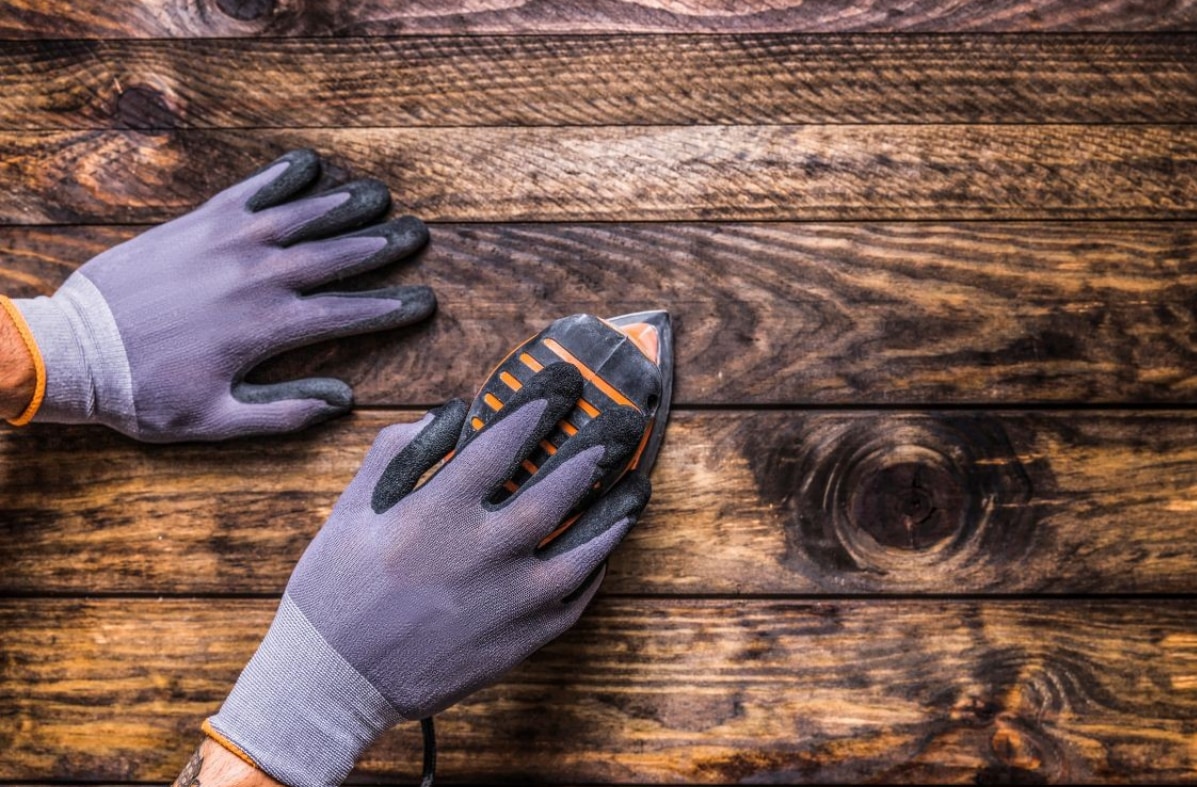
A wooden tabletop adds warmth and character to any workspace.
Whether it is part of a home office or a shared environment, wood brings a natural feel that many other materials cannot match. At the same time, it requires proper care to maintain its appearance and durability.
Without regular maintenance, even high-quality wooden surfaces can become dull, scratched, or damaged. The good news is that caring for a wooden tabletop does not need to be complicated. With a few simple habits, you can keep it looking clean and well-maintained for years.
Understanding Different Types of Wood Surfaces
Not all wooden tabletops are the same.
Different materials require slightly different care approaches, and understanding this helps prevent accidental damage.
● Solid wood
Solid wood is durable and long-lasting, but it is sensitive to moisture and temperature changes. It benefits from regular care and occasional treatment.
● Bamboo
Bamboo is harder than many traditional woods and is naturally resistant to moisture. However, it still requires gentle cleaning and protection from excessive water.
● Rubberwood
Rubberwood is commonly used for furniture due to its strength and sustainability. It performs well with basic maintenance but should be kept away from prolonged moisture exposure.
● Chipboard
Chipboard surfaces are often covered with a laminate finish. While they are easier to clean, they are more vulnerable to water damage if the surface is scratched or exposed.
● Fibreboard
Fibreboard offers a smooth finish and is often used in modern desks. Like chipboard, it relies on a protective coating, so avoiding moisture is important.
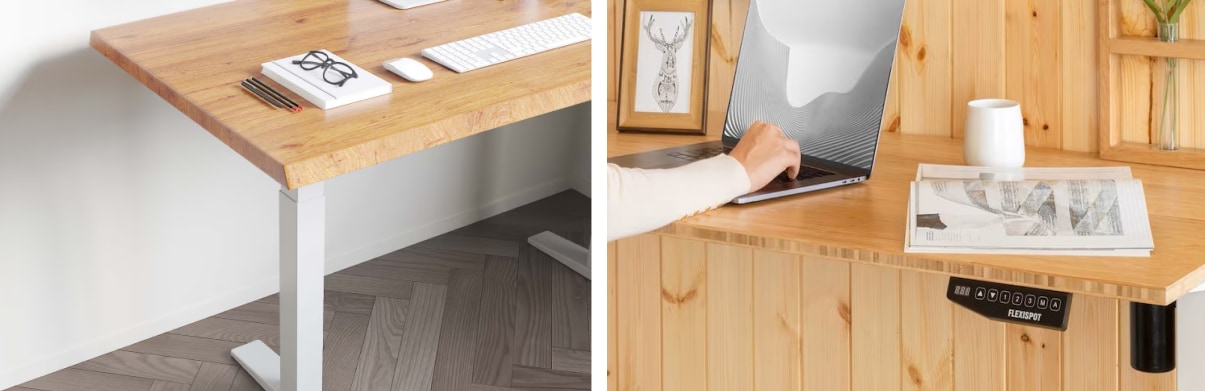
Daily Care Habits That Make a Difference
➔ Keep the surface clean
Dust and small particles can cause scratches over time.
Use a soft cloth to wipe the surface regularly. This prevents buildup and keeps the tabletop looking fresh.
➔ Avoid placing hot or wet items directly on the surface
Heat and moisture can damage the finish and cause long-term issues such as warping or staining.
Using coasters or mats helps protect the surface from everyday use.
➔ Protect high-use areas
If you use your desk frequently, consider using a desk mat in areas where your hands or equipment rest most often. This reduces wear and keeps the finish intact.
How to Clean a Wooden Tabletop Properly
Use a damp cloth, not a wet one
When cleaning wood, less moisture is always better.
A slightly damp cloth is enough to remove dirt without risking damage to the surface.
Choose mild cleaning products
Harsh chemicals can strip the finish and damage the wood.
According to Good Housekeeping’s cleaning guidelines, gentle cleaners and minimal moisture are the safest approach for maintaining wooden furniture.
Dry the surface immediately
After cleaning, use a dry cloth to remove any remaining moisture. This prevents water from soaking into the material.
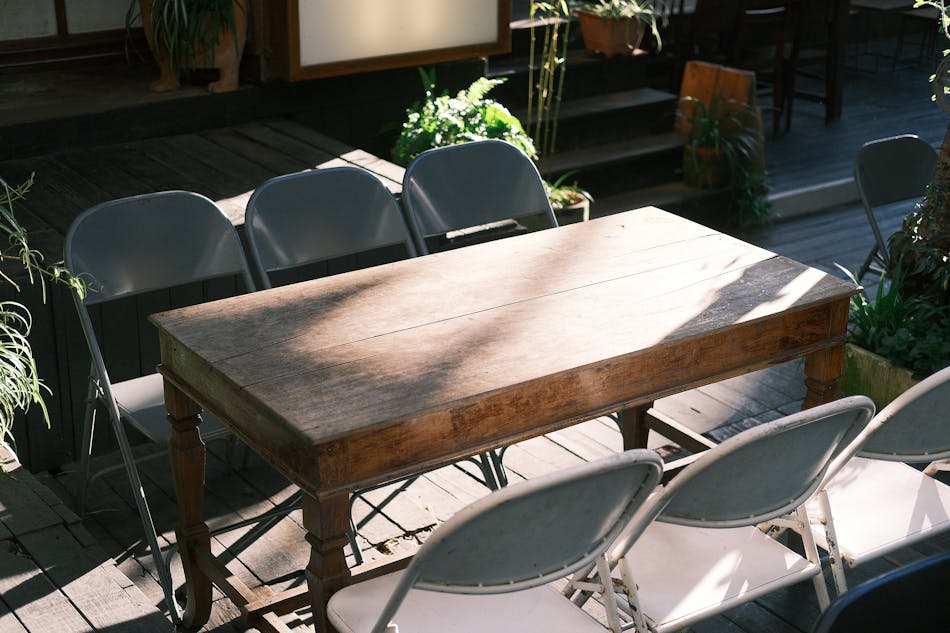
Common Mistakes to Avoid
Using too much water
Excess moisture is one of the main causes of damage to wooden surfaces. Water can seep into the material, leading to swelling, warping, or long-term structural issues that are difficult to reverse.
Applying harsh chemicals
Strong cleaners can remove protective coatings and dull the finish. Over time, this can leave the surface looking uneven and more vulnerable to scratches and stains.
Leaving items in direct sunlight
Prolonged exposure to sunlight can cause fading and uneven colour changes. This is especially noticeable on natural wood surfaces, where certain areas may lighten more than others over time.
Ignoring small spills
Even minor spills should be cleaned quickly to prevent staining or long-term damage. Liquids left on the surface can penetrate the finish and leave marks that are difficult to remove later.
Long-Term Protection Tips
Consider occasional conditioning
Some wooden surfaces benefit from occasional oiling or conditioning to maintain their finish.
However, this depends on the material. Solid wood may require treatment, while coated surfaces usually do not.
Keep humidity levels stable
Wood reacts to changes in humidity.
The UK government’s guidance on indoor environments highlights that excessive moisture or dryness can affect materials in the home.
Maintaining a balanced indoor environment helps prevent warping or cracking.
Use protective accessories
Simple additions such as desk mats, coasters, and pads can significantly extend the life of your tabletop.
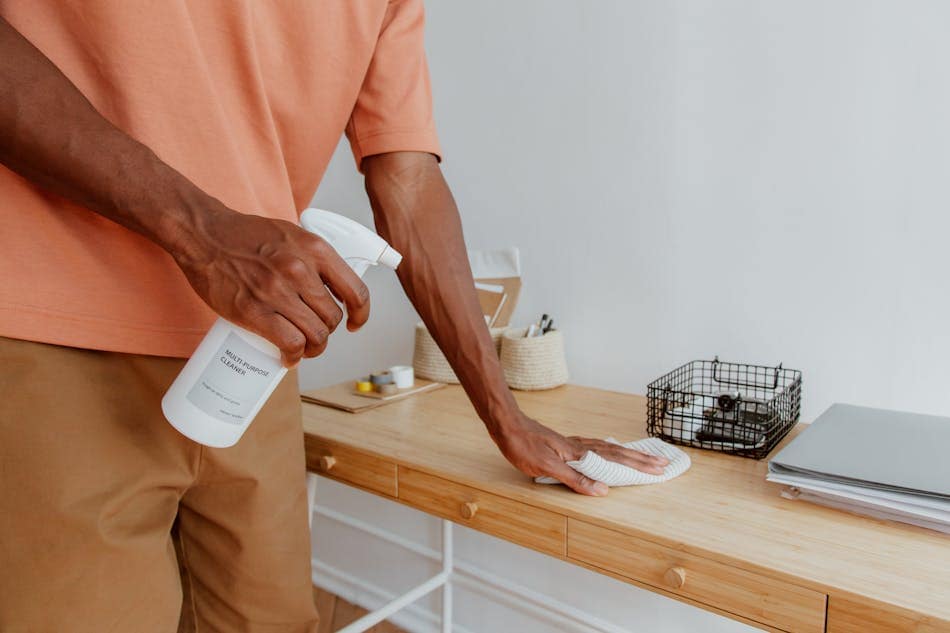
Practical Routine for Everyday Maintenance
A simple routine can keep your desk in good condition:
- Wipe the surface daily with a soft cloth
- Clean gently with a damp cloth when needed
- Dry immediately after cleaning
- Protect the surface from heat and moisture
- Check regularly for signs of wear
Consistency matters more than effort. Small daily habits are more effective than occasional deep cleaning.
FAQ: Wooden Tabletop Care
1. How to clean a wood table without damaging the finish?
Use a soft, slightly damp cloth and avoid harsh chemicals. Always dry the surface after cleaning.
2. How do you take care of a wood table top?
Keep it clean, protect it from moisture and heat, and maintain a consistent environment.
3. What can I use to clean a wood table top?
Mild cleaning solutions or a damp cloth are usually enough. Avoid strong chemical cleaners.
4. Do I need to oil my wooden table?
Only if it is solid wood and not sealed. Coated surfaces typically do not require oiling.
Conclusion
A wooden tabletop is both practical and visually appealing, but it requires proper care to stay that way.
By understanding the material, cleaning it correctly, and avoiding common mistakes, you can keep your desk looking its best for years. The process does not need to be complicated. Simple, consistent habits are enough to protect the surface and maintain its quality over time.
With a little attention and regular upkeep, your workspace will not only last longer but also continue to look clean, professional, and well-maintained in everyday use.


_20260602_cc9a7609.png)


