

Understanding the Rise of Japandi Design
Japandi design has steadily moved from specialist design circles into broader interior conversations. Rather than feeling like a passing trend, it reflects a deeper shift in how people want their homes to function as places of calm, clarity, and everyday practicality.
As remote working, compact living, and digital saturation reshape daily life, interiors are increasingly expected to support focus and recovery as well as comfort. Japandi’s restrained approach, rooted in balance and purpose, offers a way to reduce visual noise without stripping spaces of warmth or character.
What Is Japandi Design?
Japandi is a hybrid interior style that combines Japanese minimalism with Scandinavian functionality. While the two traditions originate in different cultures, they share core values: simplicity, craftsmanship, and respect for natural materials.
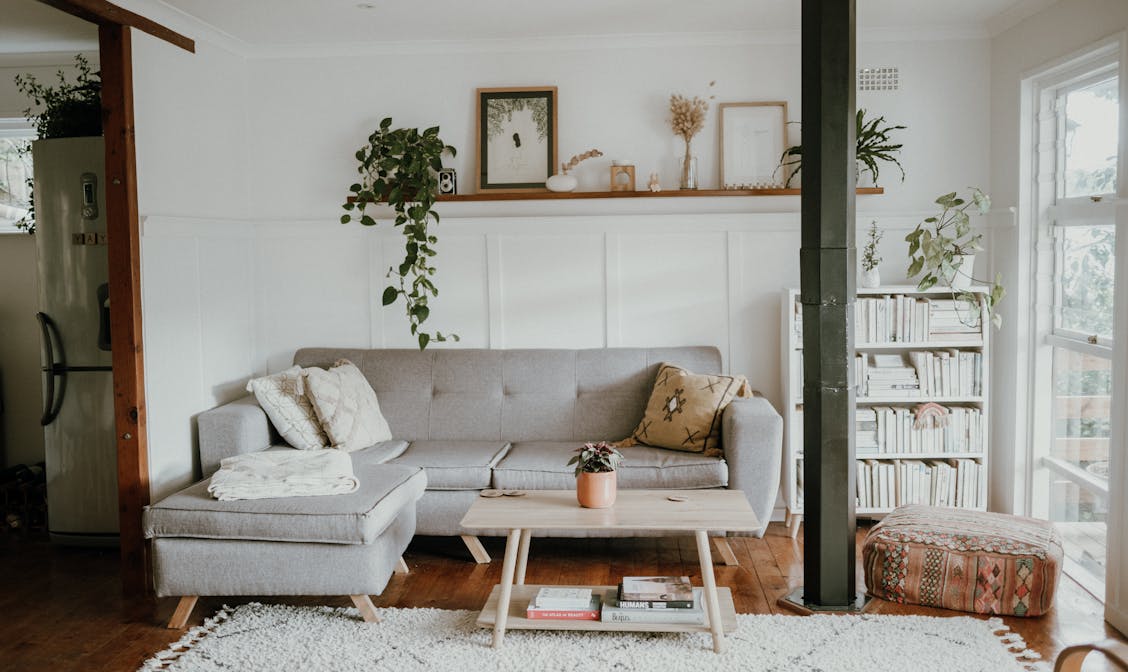
In practice, Japandi interiors favour muted colour palettes, clean lines, and uncluttered layouts. Decoration is used sparingly, allowing form, texture, and proportion to shape the atmosphere. The result is a space that feels calm but not austere, considered rather than styled.
Cultural Influences Behind Japandi
Japanese Principles: Simplicity, Balance, and Imperfection
Japanese design philosophy values restraint and intentionality. Interiors are often designed to feel quiet, with an emphasis on negative space and subtle material variation rather than bold contrast.
This approach aligns with broader wellbeing research linking reduced visual clutter to improved concentration and lower stress levels. The UK’s Health and Safety Executive highlights the importance of well-designed environments in reducing mental and physical strain, principles that translate naturally from workplaces into the home.
Scandinavian Values: Comfort and Everyday Function
Scandinavian design contributes warmth and approachability to Japandi interiors. Natural light, soft textiles, and practical furniture choices ensure that spaces remain comfortable and usable, not merely aesthetic.
Rather than prioritising statement pieces, Scandinavian-influenced interiors focus on how spaces support daily routines, reinforcing Japandi’s emphasis on function-first living.
Why Japandi Fits Contemporary Lifestyles
A Response to Visual Overload
Modern homes are filled with screens, storage demands, and competing visual stimuli. Japandi’s pared-back aesthetic offers relief from this constant sensory input, helping spaces feel more restorative.
According to guidance from the UK’s National Health Service, calm, organised environments can play a role in supporting mental wellbeing, particularly when combined with regular routines and rest. Japandi interiors reflect this thinking through simplicity rather than decoration.
Designed for Smaller, Multi-Use Homes
Japandi design adapts well to compact living spaces common across the UK. Furniture is selected for durability, versatility, and proportion, ensuring that each piece earns its place.
This makes the style particularly effective in homes where rooms serve multiple purposes, such as shared living and working environments.
The Importance of Natural Materials
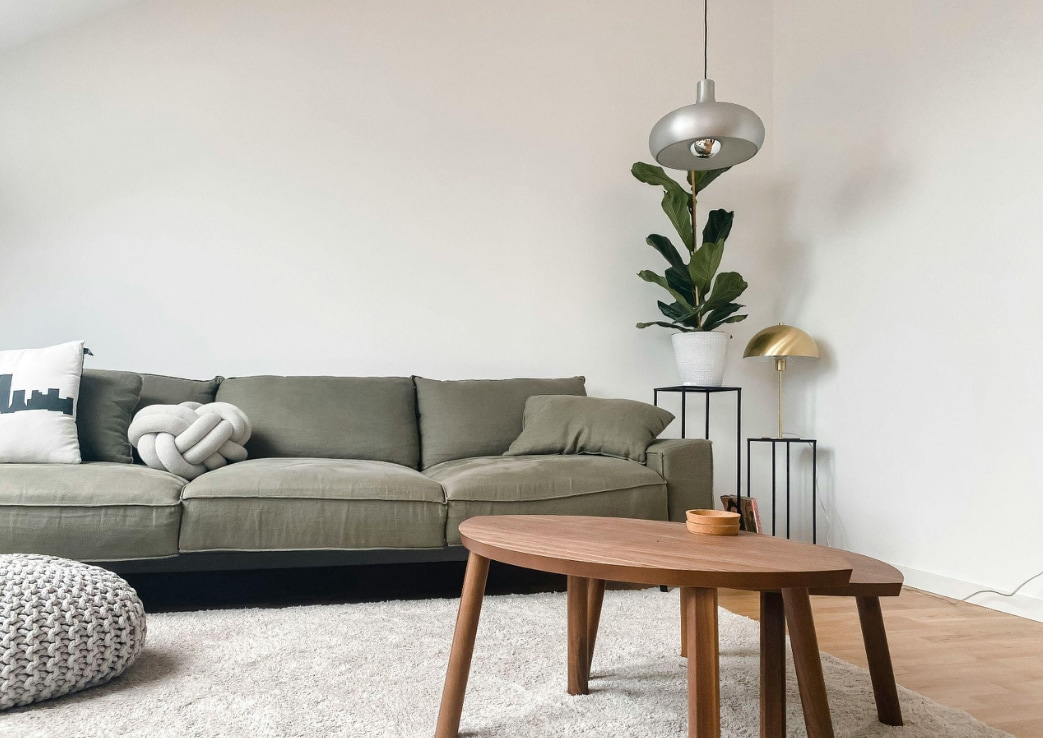
Natural materials are central to Japandi design, providing warmth without visual excess. Wood, linen, ceramics, and stone introduce texture and tactility while maintaining a sense of restraint.
Solid wood furniture, in particular, reflects Japandi’s emphasis on longevity and craftsmanship. A piece such as the Japandi Solid Wood Bed Frame demonstrates how a solid wood bed frame can anchor a bedroom while maintaining a calm, understated presence. Rather than acting as a focal point, it supports the overall atmosphere of balance and quiet structure.
This approach aligns with sustainable design principles, favouring fewer, well-made items over frequent replacement.
--altImgStart--{"link":"https://s3.springbeetle.eu/dev-de-s3-flexispot/commodity/item/Kana-img1-2_20260104_xv38TIcU.png","alt":"Japandi Solid Wood Bed Frame (Kana)"}--altImgEnd-- --shopstart--{"id":10010010,"link":10010010,"name":"Solid Wood Bed Frame with Japanese Joinery","shortName":"Kana","url":"https://s3.springbeetle.eu/dev-de-s3-flexispot/commodity/item/1028_file_20251022-074841.542-4.png","itemFootMarkType":"NEW"}--shopend--
Japandi as a Long-Term Design Approach
Timelessness Over Trends
One reason Japandi continues to resonate is its resistance to seasonal styling. By focusing on proportion, material quality, and function, interiors remain relevant even as broader design trends evolve.
This long-term perspective supports more thoughtful consumption and reduces the need for constant updates.
Living More Intentionally Through Design
Japandi encourages a slower, more considered approach to interiors. Spaces are shaped around daily habits and wellbeing rather than visual impact alone.
In this sense, Japandi is less about appearance and more about how a home feels to live in, calm, functional, and quietly supportive.
Final Thoughts
Japandi’s popularity reflects changing expectations of the home. As people seek environments that support wellbeing, focus, and comfort, design choices are becoming more intentional and less decorative.
By blending Japanese restraint with Scandinavian warmth, Japandi offers a design language that feels timeless, adaptable, and well suited to modern living, a thoughtful foundation rather than a fleeting style.


_20260602_cc9a7609.png)


