


If you’ve ever stood up after a long day at your desk and felt stiffness in your lower back, you’ve already experienced the effects of poor support.
Most chairs allow you to sit, but not all of them support how your body is designed to sit.
This is where lumbar support comes in. It’s one of the most important yet often misunderstood features of a good ergonomic office chair. When used correctly, it can make the difference between constant discomfort and a workspace that actually supports your body.
What is Lumbar Support?
Lumbar support refers to the feature in a chair designed to support the natural inward curve of your lower spine.
Your spine isn’t straight; it has a gentle S-shape. The lower part (the lumbar region) curves inward, and without support, this curve tends to flatten when sitting for long periods.
According to the NHS, maintaining proper posture is key to preventing back pain, especially during prolonged sitting.
Lumbar support helps:
- Maintain the spine’s natural alignment
- Reduce pressure on the lower back
- Prevent slouching over time
- Improve overall sitting comfort
Without it, your body compensates, often leading to fatigue and discomfort.
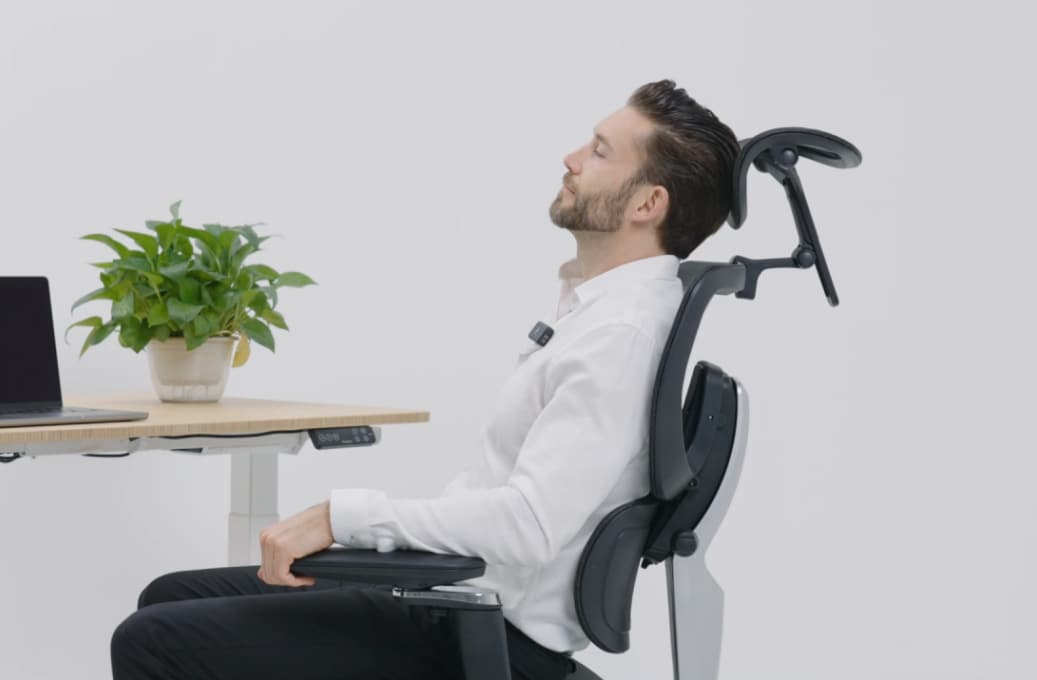
Types of Lumbar Support
Built-In Adjustable Lumbar Support
Many modern ergonomic office chairs include built-in lumbar support that can be adjusted in height and depth.
This allows you to position the support exactly where your lower back needs it, making it the most effective option for long-term use.
Fixed Lumbar Support
Some chairs include a fixed curve in the backrest.
While better than no support at all, it may not align perfectly with your spine, especially if multiple people use the same chair.
Lumbar Support Cushions
These are external cushions that attach to your chair.
They’re useful if your current chair lacks proper support, offering a simple way to improve comfort without replacing your setup.
When Is an Office Chair with Lumbar Support Worthwhile?
If you spend several hours a day sitting, lumbar support isn’t optional; it’s essential.
The Mayo Clinic highlights that proper lower back support reduces strain on spinal structures and helps prevent discomfort during prolonged sitting.
You’ll benefit most from lumbar support if:
- You work at a desk daily
- You experience lower back discomfort
- You tend to slouch over time
- You work from home without a structured setup
A well-designed ergonomic office chair with adjustable lumbar support allows you to customise your seating rather than adapting your body to it.
How to Adjust Lumbar Support Correctly
Position Matters Most
The lumbar support should sit in the natural curve of your lower back, not too high, not too low.
A useful rule is that it should fit snugly into the small of your back when you’re sitting upright.
Adjust the Depth
If your chair allows it, adjust how far the support pushes forward.
It should feel supportive, not intrusive. Too much pressure can feel uncomfortable, while too little won’t provide enough support.
Combine With Proper Posture
Lumbar support works best when the rest of your setup is aligned:
- Feet flat on the floor
- Knees level with hips
- Back against the chair
Recheck Throughout the Day
Your posture changes depending on your tasks. Small adjustments during the day are normal and help maintain comfort.
Ergonomic Health Solutions: Pair with Other Products
Lumbar support works best as part of a wider setup.
Exercise Ball as Office Chair
Using an exercise ball occasionally can encourage active sitting and engage core muscles. However, it shouldn’t replace a proper chair for long periods, as it lacks consistent support.
Lumbar Support Cushion
If your current chair doesn’t provide enough support, a lumbar support cushion is a practical addition. It’s a simple way to improve posture without changing your entire setup.
Ergonomic Mouse and Keyboard
Your hands and arms affect your posture more than you might expect.
Using ergonomic accessories helps reduce tension in your shoulders, which supports a more natural sitting position overall.
Height-Adjustable Desk
A height-adjustable desk allows you to alternate between sitting and standing, reducing continuous pressure on your lower back.
Combined with a supportive chair, it creates a more flexible and balanced workspace.
The World Health Organization recommends reducing prolonged sitting and incorporating movement throughout the day.
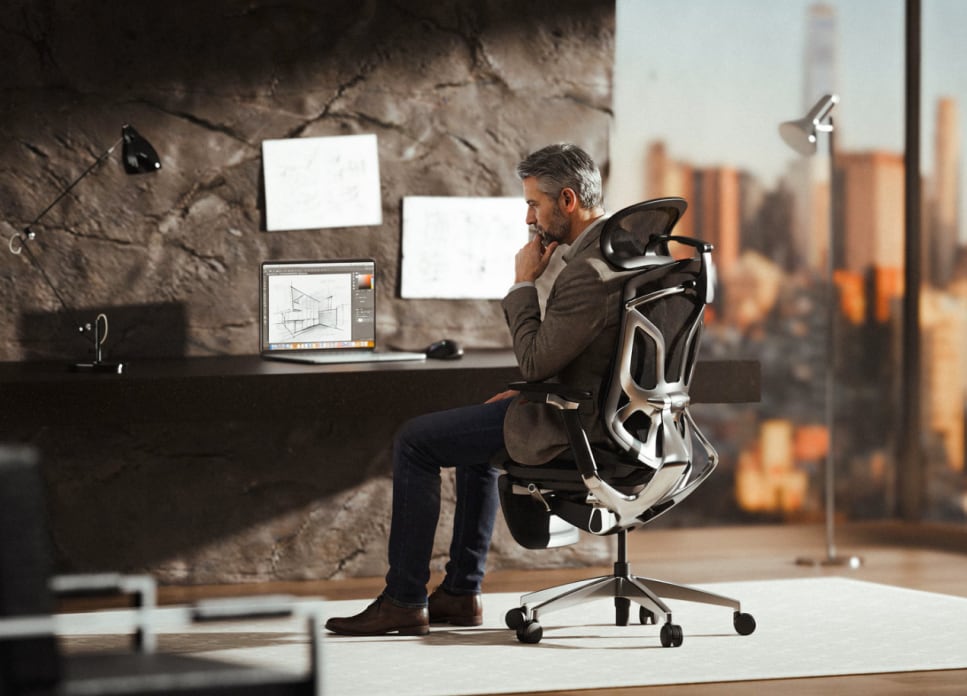
Practical Guide: Making Lumbar Support Work Daily
1. Don’t Set It Once and Forget It
Your body changes position throughout the day. Adjust your chair as needed rather than relying on one fixed setting.
2. Sit Fully Back in the Chair
Lumbar support only works if your back is in contact with it. Sitting on the edge of the chair removes its benefit entirely.
3. Combine Support With Movement
Even with perfect lumbar support, staying in one position for too long can cause stiffness. Regular movement is still essential.
Frequently Asked Questions About Lumbar Support
What’s the difference between lumbar support and a regular backrest?
A backrest supports your entire back, while lumbar support specifically targets the lower spine’s natural curve. Both are important, but lumbar support provides more precise alignment.
Can a lumbar support cushion also relieve neck tension?
Indirectly, yes. Improving lower back posture, it can help align your entire spine, which reduces strain on the neck and shoulders.
How often should I adjust my lumbar support?
Whenever your posture or activity changes. Small adjustments throughout the day help maintain consistent support.
Conclusion
Lumbar support isn’t just a feature; it's a fundamental part of sitting comfortably and safely.
When properly adjusted, it supports your spine, reduces strain, and allows you to work without constantly shifting to relieve discomfort. Combined with a well-designed workspace, including your chair, desk, and daily habits, it becomes part of a system that supports your long-term health.
Once you get it right, the difference is immediate. You sit better, feel better, and finish the day without the usual tension in your back.


_20260602_cc9a7609.png)


