

Why Futon Beds Are Gaining Popularity
In recent years, futon beds and Japanese-inspired bed designs have become increasingly popular across Europe. As more people look to simplify their living spaces and improve sleep quality, traditional ideas from Japanese interiors, such as minimalism, natural materials, and functional design, are finding a place in modern homes.
A futon bed is often associated with floor sleeping and pared-back interiors, but today’s futon-inspired designs go far beyond tradition alone. They combine Japanese sleep philosophy with European expectations of comfort, durability, and aesthetics. To understand why these beds appeal to modern lifestyles, it helps to look at where they come from and how they have evolved.
Origins of the Japanese Futon Bed
What Is a Traditional Japanese Futon?
In Japan, a traditional futon consists of a shikibuton (a firm mattress) placed directly on tatami mats. Rather than being a permanent fixture, the futon is typically rolled up and stored during the day, allowing rooms to serve multiple purposes. This approach reflects a broader cultural emphasis on space efficiency and simplicity.
According to the Japan National Tourism Organization, this style of living is deeply connected to Japanese lifestyle values, where flexible spaces and natural materials play a central role in everyday life.
How Futon Beds Differ from Western Beds
Unlike Western beds, which are usually raised high off the ground and paired with thick mattresses, traditional futons sit low and provide a firmer sleeping surface. The focus is less on plush comfort and more on support, practicality, and harmony with the surrounding space.
Japanese Sleep Philosophy: Simplicity and Balance
Minimalism and Closeness to Nature
Japanese interior design prioritises uncluttered spaces, natural materials, and a calm atmosphere. Futon beds align perfectly with this philosophy by reducing visual bulk and encouraging a more mindful approach to living and sleeping.
Wood, cotton, and breathable fabrics are commonly used, reinforcing a connection to nature that many people find calming and restorative.
Proper Body Support and Posture
Japanese sleep philosophy often favours firmer sleeping surfaces that support spinal alignment. While this may feel different at first for those accustomed to soft mattresses, many sleepers find that proper support improves comfort over time and reduces strain on the back.
Modern European Adaptations of Futon Beds
Low Bed Frames Inspired by Japanese Design
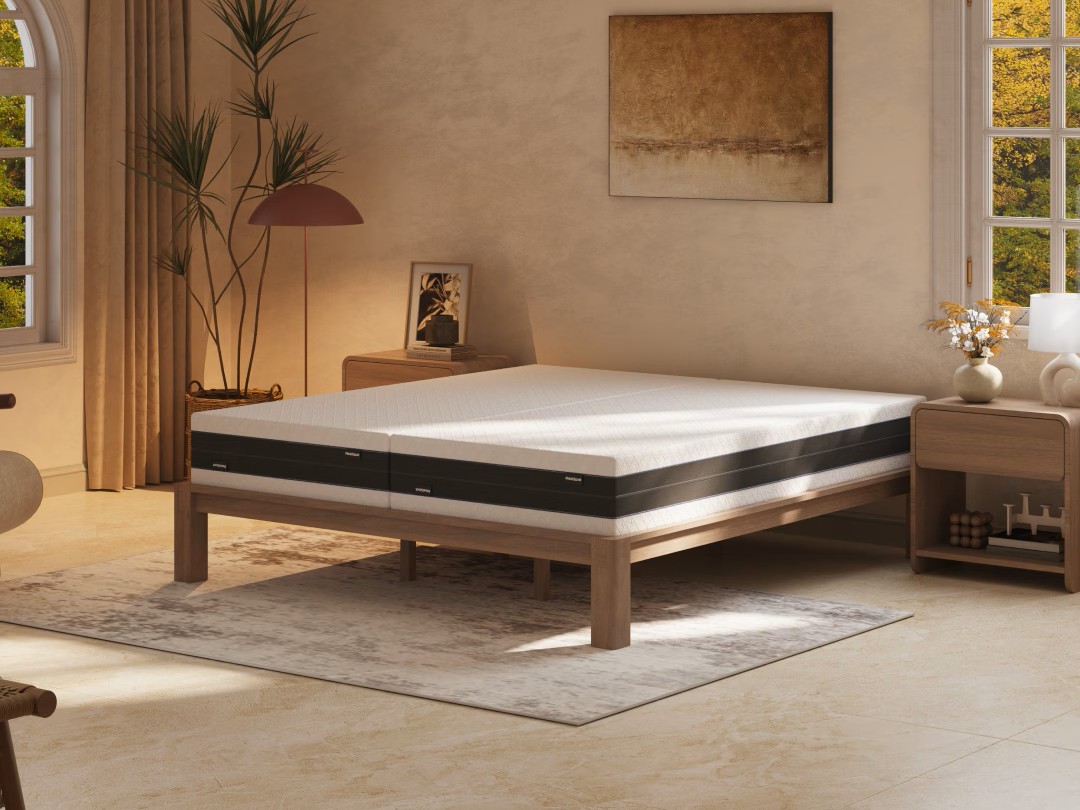
To suit European lifestyles, futon beds have evolved into low bed frames that lift the mattress slightly off the floor. This preserves the minimalist aesthetic while improving airflow, hygiene, and ease of use.
These frames maintain the visual simplicity of a futon while offering practical benefits, especially in humid climates or smaller bedrooms.
Contemporary Materials and Ergonomic Design
Modern futon-style beds often combine traditional design principles with contemporary materials such as solid wood frames and ergonomic mattresses. This allows sleepers to enjoy Japanese-inspired aesthetics without sacrificing comfort or durability.
--altImgStart--{"link":"https://s3.springbeetle.eu/dev-de-s3-flexispot/commodity/item/Screenshot%202026-01-27%20111757_20260203_2fPWPSoV.png","alt":"Hybrid Mattress with Ergonomic Design (BM3)"}--altImgEnd--
Advantages and Disadvantages of Futon Beds
Benefits of Futon and Futon-Style Beds
● Clean, minimalist appearance
● Space-efficient design
● Improved airflow around the mattress
● Supportive sleeping surface
● Ideal for Japandi and minimalist interiors
Potential Drawbacks to Consider
● Firmer feel may require an adjustment period
● Low height may not suit everyone
● Mattress choice becomes especially important
Understanding these factors helps determine whether a futon bed aligns with your sleeping habits and lifestyle.
How Futon Beds Can Support Healthier Sleep
Spinal Alignment and Support
Sleep experts note that a supportive mattress plays a key role in maintaining spinal alignment. The Sleep Foundation explains that choosing the right mattress firmness can help reduce pressure points and support healthy posture throughout the night.
When paired with a suitable mattress, futon-style beds can provide balanced support without excessive softness.
Breathability and Sleep Environment
Low bed frames with under-bed airflow help prevent moisture build-up, contributing to a healthier sleep environment, especially when combined with breathable mattress materials.
Product Spotlight: FlexiSpot Kana Solid Wood Bed Frame
The FlexiSpot Kana Bed Frame reflects Japanese design principles while meeting modern European expectations. Inspired by traditional Japanese joinery, the frame features a snug, interlocking structure that requires no tools and can be assembled in just 10 minutes.
Made from 100% solid wood, the Kana bed frame is FSC-certified and crafted from upcycled rubberwood, supporting both durability and sustainability. The 25 cm under-bed clearance improves airflow and provides convenient storage, while full-length Velcro on each support beam reduces movement and noise for a quiet, stable sleep.
Learn more here! --shopstart--{"id":10010009,"link":10010009,"name":"Japandi Solid Wood Bed Frame","shortName":"Kana","url":"https://s3.springbeetle.eu/dev-de-s3-flexispot/commodity/item/1028_file_20251022-074841.542-4.png","itemFootMarkType":"NEW"}--shopend--
Choosing the Right Mattress for a Futon-Style Bed
Why Mattress Choice Matters
Because futon beds sit lower and rely on structure rather than height, the mattress plays a crucial role in comfort. A mattress that balances firmness with pressure relief is ideal.
FlexiSpot BM3 Hybrid Mattress
The FlexiSpot BM3 Hybrid Mattress complements futon-style bed frames with its dual firmness design (H2/H3), allowing sleepers to choose their preferred feel. High-density memory foam resists sagging, while individually pocketed springs provide adaptive support. Reinforced foam edges enhance stability, and the bamboo-fibre cover ensures breathability and hygiene. --altImgStart--{"link":"https://s3.springbeetle.eu/dev-de-s3-flexispot/commodity/item/Screenshot%202026-02-03%20110331_20260203_7rt1waRu.png","alt":"Hybrid Mattress with Ergonomic Design (BM3)"}--altImgEnd--
Explore the BM3 mattress here! --shopstart--{"id":1432001,"link":1432001,"name":"Hybrid Mattress with Ergonomic Design","shortName":"BM3","url":"//s3.springbeetle.eu/prod-eu-s3/trantor/attachments/UK/品类.png","itemFootMarkType":"NEW"}--shopend--
Is a Futon Bed Right for You?
Futon beds are well-suited to people who value minimalist design, supportive sleep surfaces, and natural materials. They work especially well in smaller spaces, Japandi interiors, and homes where simplicity and functionality matter.
However, those who prefer very soft mattresses or high bed frames may need time to adjust or consider modern adaptations.
Conclusion: Japanese Simplicity for Modern Living
A futon bed represents more than just a sleeping surface; it reflects a lifestyle focused on balance, simplicity, and thoughtful design. By blending Japanese sleep philosophy with modern European comfort, futon-inspired beds offer a compelling alternative to conventional bed setups.
With solid wood frames like the FlexiSpot Kana and supportive mattresses such as the BM3, it’s possible to enjoy the elegance of Japanese design without compromising on comfort or practicality. For many modern homes, that balance is exactly what makes futon beds so appealing.


_20260602_cc9a7609.png)


