


Neck pain is one of the most common issues for people who work at a desk.
It often starts gradually. A slight stiffness in the morning, tension by midday, and discomfort by the evening. Over time, it can become persistent and affect how you work and feel throughout the day.
In most cases, the cause is not a single injury. It is a combination of daily habits, posture, and workspace setup. The encouraging part is that these causes are usually easy to fix once you understand them.
Why Neck Pain Happens at Work
When you sit for long periods, your body naturally adapts to the position you hold.
If your posture is not supported properly, your neck muscles have to work harder to keep your head in place. This creates strain that builds over time.
According to the NHS, poor posture and prolonged sitting are key contributors to neck and back pain in everyday work environments.

Common Causes of Neck Pain
● Poor screen position
If your screen is too low or too high, your neck adjusts to compensate.
Looking down for long periods is one of the most common causes of strain. Even a small angle can create pressure over time.
● Unsupported sitting posture
Slouching or leaning forward places an extra load on your neck and shoulders.
Without proper support, your muscles stay active instead of relaxed.
● Lack of movement
Remaining in one position for too long causes muscles to stiffen.
Regular movement is essential to prevent tension from building up.
● Incorrect chair setup
If your chair does not support your back properly, your neck often compensates.
A lack of lumbar support can affect your entire posture, including your head position.
● Repetitive tasks and screen use
Continuous typing, scrolling, or focusing on screens reduces natural movement and increases strain.
Simple Fixes That Make a Real Difference
1. Adjust your screen height
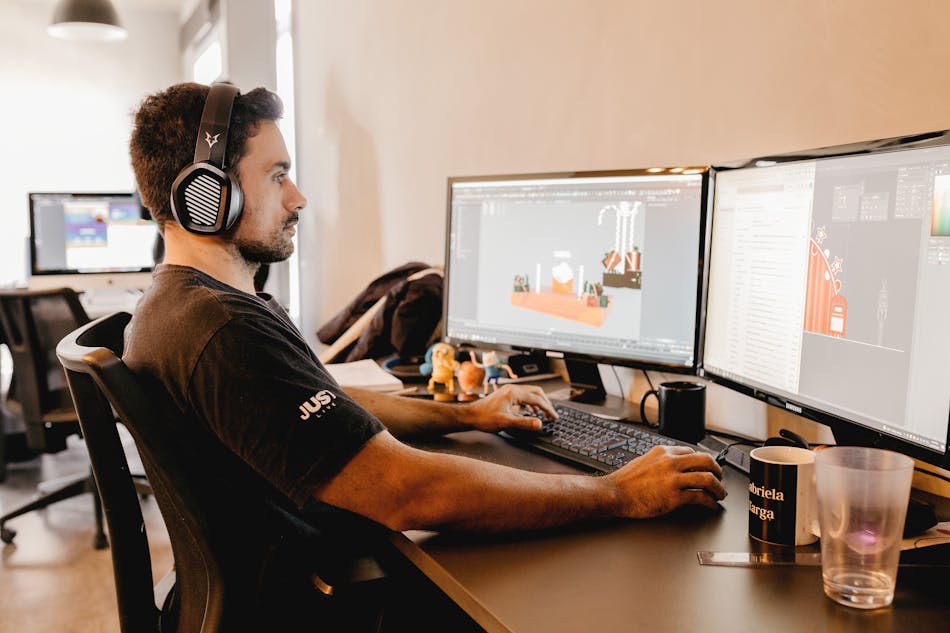
Your screen should be at eye level so that your head stays in a neutral position.
If needed, raise your monitor using a stand or adjust your desk height.
2. Improve your sitting posture
Sit with:
- Your feet flat on the floor
- Your back is supported
- Your shoulders relaxed
Your head should sit naturally above your shoulders, not leaning forward.
3. Take regular breaks
Even short breaks help reduce strain.
Research from British Chiropractic Association highlights that regular movement and posture changes can reduce the risk of neck and back pain.
Standing up, stretching, or walking briefly every 30 to 60 minutes can make a noticeable difference.
4. Use a more supportive setup
Your workspace should support your body rather than forcing it into position.
A well-designed ergonomic office chair helps maintain proper posture, while a height-adjustable desk allows you to change positions throughout the day.
Switching between sitting and standing can reduce continuous pressure on your neck and shoulders.
The Role of Movement in Preventing Pain
Movement is one of the most effective ways to prevent and relieve neck pain.
According to Cleveland Clinic, gentle stretching and regular movement can reduce muscle tension and improve flexibility.
You do not need a full workout. Small, consistent movements throughout the day are enough to make a difference.

Quick Exercises You Can Do at Your Desk
➔ Neck stretch
Tilt your head gently to one side and hold for 10 to 15 seconds. Repeat on both sides.
➔ Chin tuck
Pull your chin slightly inward while keeping your head level. Hold briefly and release. This helps correct forward head posture.
➔ Shoulder rolls
Roll your shoulders backward in a slow, controlled motion to release tension.
➔ Upper back stretch
Clasp your hands in front of you and push forward gently, stretching your upper back.
➔ Seated posture reset
Sit upright, engage your core slightly, and align your head with your spine. Hold for a few seconds before relaxing.
Practical Guide: Building Better Habits
➢ Start with your setup
Make sure your desk, chair, and screen are aligned before you begin work.
➢ Build movement into your day
Set reminders to stand, stretch, or adjust your posture regularly.
➢ Pay attention to early signs
Neck pain often starts as mild discomfort. Addressing it early prevents it from becoming more serious.
Common Mistakes to Avoid
❖ Ignoring posture until pain starts
Prevention is easier than correction. Good habits should be consistent, not occasional.
❖ Staying in one position too long
Even a good posture becomes uncomfortable if held for too long.
❖ Relying only on quick fixes
Temporary relief helps, but long-term improvement comes from adjusting your daily setup and habits.
FAQ: Neck Pain at Work
● What is the main cause of neck pain at work?
Poor posture, incorrect screen height, and prolonged sitting are the most common causes.
● How can I fix neck pain quickly?
Adjust your posture, stretch gently, and take short breaks. Small changes can provide immediate relief.
● Is standing better than sitting for neck pain?
Alternating between both is best. Staying in one position for too long, even standing, can still cause discomfort.
● Do ergonomic setups really help?
Yes. A properly arranged workspace supports your body and reduces strain over time.
Conclusion
Neck pain at work is common, but it is not something you have to accept.
In most cases, it comes down to daily habits and small adjustments that are easy to improve. By setting up your workspace properly, moving regularly, and paying attention to posture, you can reduce discomfort and prevent it from returning.
The key is consistency. Small changes, done regularly, make the biggest difference.


_20260602_cc9a7609.png)


