


Most people think of recliner chairs as something purely for relaxation.
They are often associated with watching television or taking a break at the end of the day. What is less talked about is how the right recliner can support your body in ways that standard seating often does not.
For anyone who spends long hours sitting, whether working or resting, posture and support matter. A well-designed recliner can reduce pressure on the spine, improve circulation, and help your body recover from long periods of sitting.
At the same time, it is important to understand how to use a recliner properly. Like any type of seating, the benefits depend on how well it fits your body and how long you stay in one position.
Why Seating Support Matters More Than You Think
Sitting for long periods places continuous pressure on your lower back, hips, and legs.
Over time, this can lead to stiffness, discomfort, and reduced circulation. According to the NHS, prolonged sitting without proper support is linked to back pain and reduced mobility.
Traditional chairs often keep your body in a fixed upright position. While this can be useful for work, it does not always allow your muscles to relax fully.
Recliner chairs offer something different. By allowing you to lean back and adjust your position, they reduce pressure on the spine and distribute your weight more evenly.
How Recliner Chairs Support the Body
Reduced pressure on the lower back
Reclining slightly helps take pressure off the lumbar spine. This can make a noticeable difference after a long day of sitting upright.
Improved circulation
Elevating your legs, even slightly, supports blood flow. This is particularly helpful if you spend a lot of time sitting throughout the day.
Better muscle relaxation
A reclined position allows your muscles to relax rather than constantly supporting your posture.
The Mayo Clinic notes that reducing pressure on the spine and maintaining supported positions can help minimise discomfort and tension.
Choosing the Right Recliner for Your Space
Match the chair to your body
A recliner should support your full back, with your feet comfortably reaching the footrest.
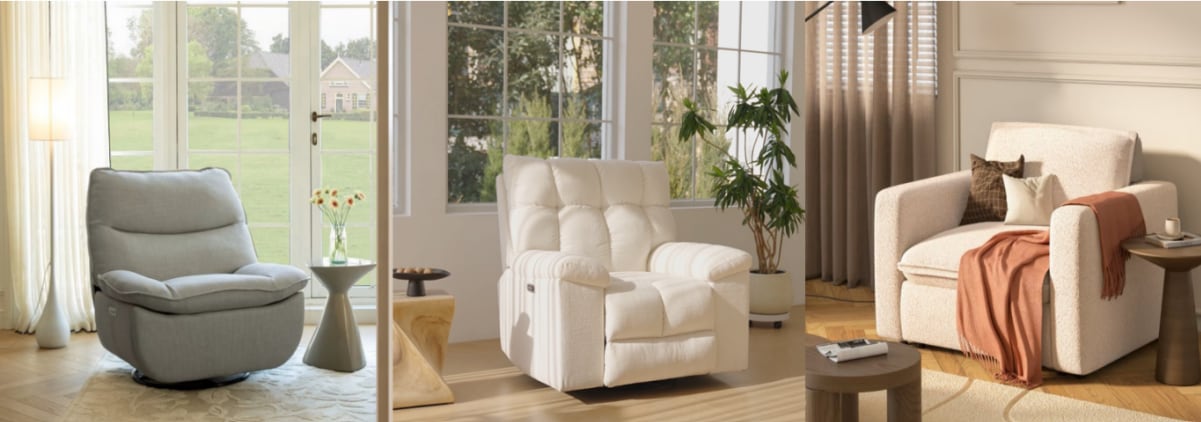
Options such as the Waffle Recliner Chair are designed to provide full-body support while allowing smooth adjustment between positions.
Consider flexibility and movement
If you want something adaptable for daily use, a model like the Lotus Recliner Chair offers a balance between comfort and mobility, making it suitable for both relaxation and light activity.
Think about shared spaces
For larger households or living rooms, a multi-seat option such as the DreamSpot Recliner Sofa provides comfort without compromising on space or design.
The Importance of Movement, Even When Relaxing
While recliners offer clear benefits, staying in one position for too long is not ideal.
The World Health Organization recommends breaking up long periods of sitting with regular movement to support overall health.
Even when using a recliner, small movements help:
- Shifting position regularly
- Standing up every 30 to 60 minutes
- Stretching briefly
Quick Exercises You Can Do During Breaks
Even in a living room or office setting, simple movements can make a difference.
1. Neck stretch
Gently tilt your head to one side and hold for 10 to 15 seconds. Repeat on both sides.
2. Shoulder rolls
Roll your shoulders forward and backward slowly to release tension.
3. Seated spinal twist
Sit upright, place one hand on your knee, and gently twist your torso. Hold briefly, then switch sides.
4. Leg extensions
Extend one leg straight out and hold for a few seconds before lowering. Repeat with the other leg.
5. Ankle rotations
Lift your feet slightly and rotate your ankles in small circles.
6. Standing stretch
Stand up, reach your arms overhead, and stretch your body fully before relaxing.
Practical Tips for Using a Recliner Effectively
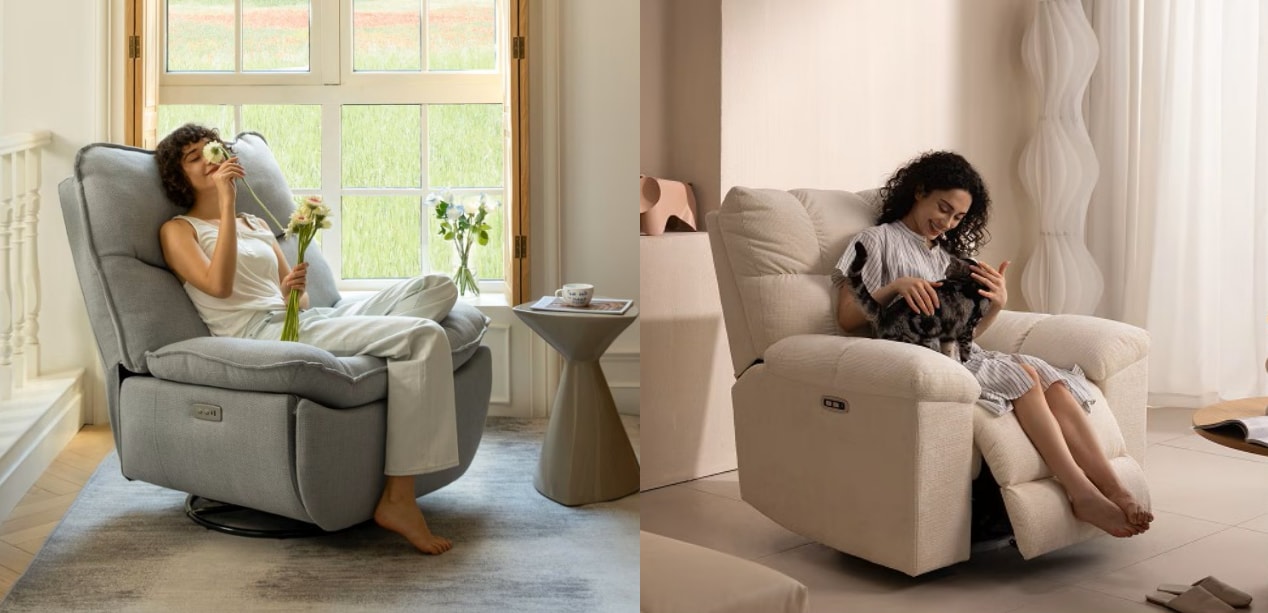
1. Adjust your position regularly
Avoid staying fully reclined for long periods. Alternate between upright and reclined positions.
2. Support your posture
Even in a reclined position, your back should remain supported. Avoid slouching forward.
3. Combine comfort with activity
Use your recliner for rest, but balance it with movement throughout the day.
FAQ: Recliner Chairs and Health
How to ensure your recliner fits perfectly?
Your back should be fully supported, and your feet should comfortably reach the footrest. The chair should feel natural rather than forcing your posture.
Is sitting in a recliner chair bad for your heart?
No, when used correctly. In fact, elevating your legs can support circulation. The key is not staying in one position for too long.
Are recliners bad for your back and hips?
A well-designed recliner can support your back and reduce pressure on your hips. Poor posture or excessive use without movement can cause discomfort.
Are recliners bad for your knees?
Not typically. In many cases, elevating your legs can reduce pressure on the knees.
Is a recliner good for sciatica?
A reclined position can help reduce pressure on the lower back, which may relieve symptoms for some people.
Is sitting in a reclined position worse for your back than sitting straight?
Not necessarily. A slight recline can reduce spinal pressure. The key is proper support and variation in posture.
Do doctors recommend recliners?
In some cases, yes. Recliners are often recommended for comfort and support, especially during recovery or for managing back discomfort.
Conclusion
Recliner chairs offer more than just comfort.
When chosen carefully and used properly, they can support your posture, reduce pressure on your body, and help you relax more effectively. Combined with regular movement and simple exercises, they can become part of a healthier daily routine.
The key is balance. Comfort matters, but so does movement. When both are in place, your seating works with your body rather than against it.


_20260602_cc9a7609.png)


