

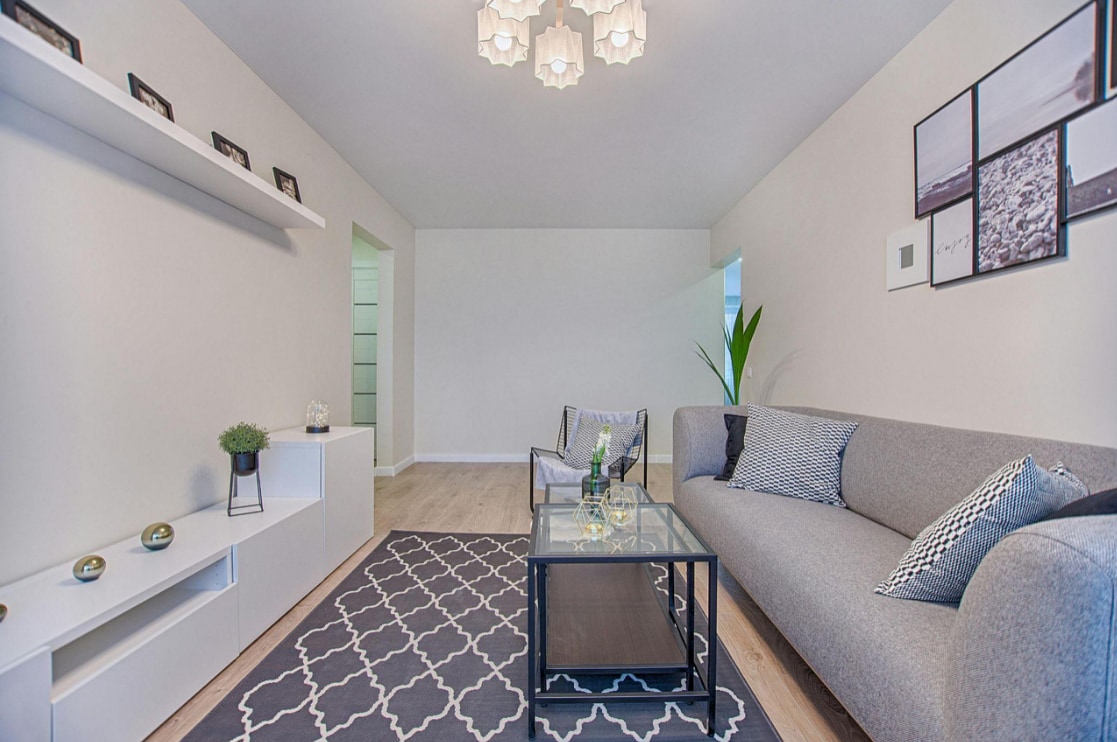
A small living room can feel limiting, especially when it needs to serve multiple purposes.
It is often where you relax, work, and spend time with others. When space is tight, even a tidy room can feel crowded if the layout or furniture is not working properly.
The key is not trying to fit more into the room. It is about making better use of what is already there. With a few practical adjustments, you can create a space that feels open, balanced, and easier to live in.
Rethink the Layout First
● Avoid pushing everything against the walls
It is a common instinct to place all furniture along the edges of the room. While this seems like it creates space, it can actually make the centre feel empty, and the room feel boxed in.
Pulling key pieces slightly away from the walls can create depth and improve how the space flows.
● Create a clear path through the room
A cluttered layout makes a room feel smaller than it is.
Make sure there is a natural walkway through the space. You should be able to move around easily without adjusting furniture or stepping around obstacles.
● Focus on function, not quantity
Filling a small room with multiple small pieces often creates visual noise.
Instead, choose fewer items that serve a clear purpose. This helps the room feel more intentional and less crowded.
Choose Furniture That Fits the Space
➔ Prioritise compact and multi-use pieces
In smaller living rooms, furniture should work efficiently.
Look for items that can serve more than one function, such as storage units that double as seating or tables that can be moved easily when needed.
➔ Keep proportions balanced
Large furniture can overwhelm a small room, even if there is technically enough space.
Choose pieces that match the scale of your room. This creates a more comfortable and visually balanced environment.
➔ Use furniture with visible space underneath
Furniture with legs can make a room feel more open because light can pass underneath it.
This simple detail helps reduce the feeling of heaviness and improves the overall sense of space.
Use Light to Create a Sense of Space
● Make the most of natural light
Natural light can completely change how a room feels.
Keeping windows clear and avoiding heavy coverings allows more light into the room. According to the Energy Saving Trust, maximising natural light can improve both comfort and energy efficiency within the home.
● Add layered lighting
A single overhead light can make a room feel flat.
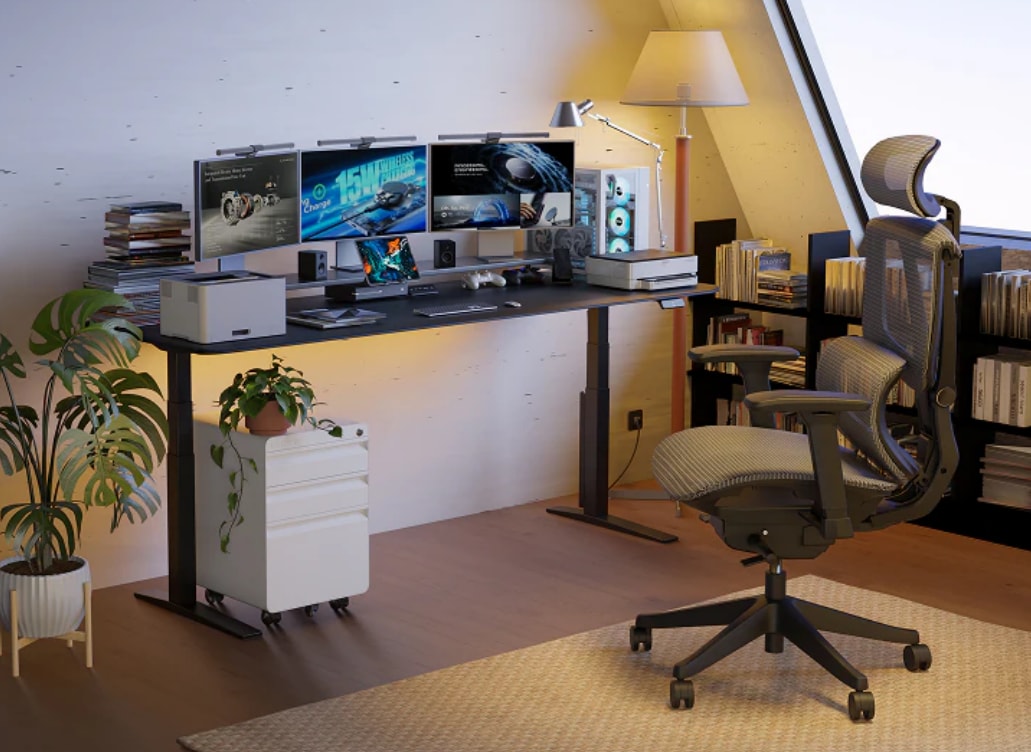
Using multiple light sources such as floor lamps or table lamps creates depth and makes the space feel more welcoming.
● Use mirrors to reflect light
Mirrors are one of the simplest ways to make a room feel larger.
Placing a mirror opposite a window reflects natural light and creates the illusion of additional space.
Reduce Clutter and Visual Noise
➢ Keep surfaces clear
Clutter is one of the main reasons a room feels small.
Keeping surfaces clear helps the space feel calm and organised. Even removing a few unnecessary items can make a noticeable difference.
➢ Use hidden storage
Storage does not need to be visible to be effective.
Closed storage options help keep items out of sight, which reduces visual distraction and creates a cleaner look.
➢ Stick to a simple colour scheme
Using too many colours can make a room feel busy.
A consistent palette, especially with lighter tones, helps create a more open and relaxed atmosphere.
Make the Room Feel Taller and Wider
● Use vertical space effectively
Drawing the eye upward can make the room feel taller.
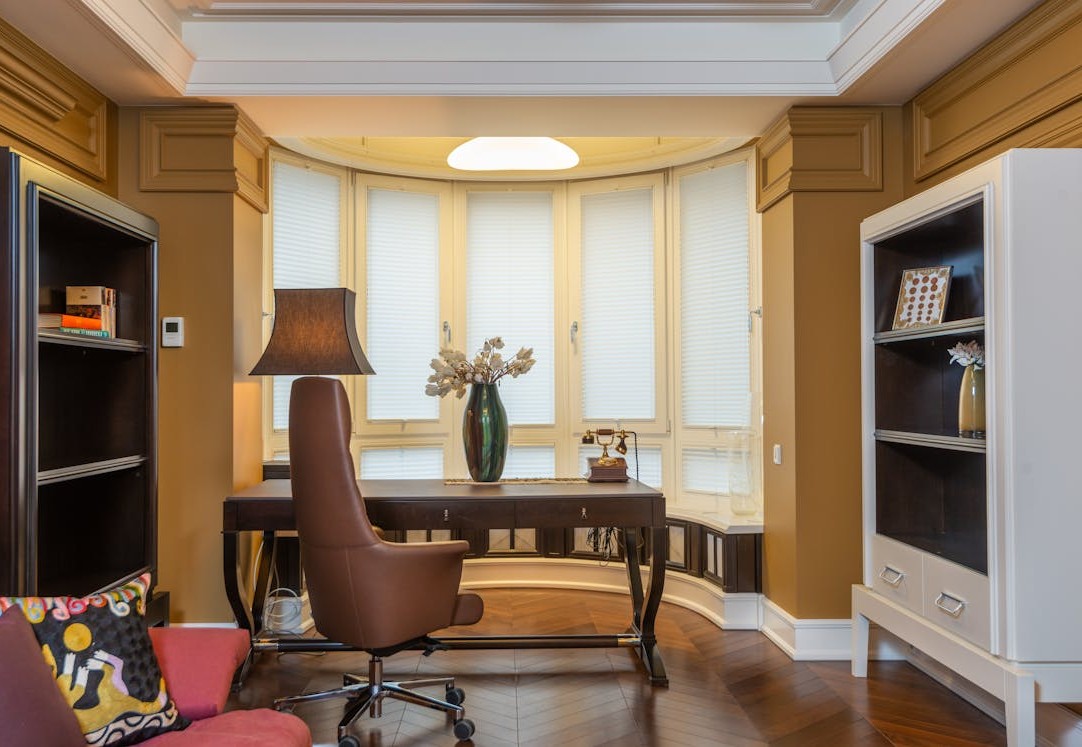
Tall shelves or vertical design elements help create this effect without taking up additional floor space.
● Choose light wall colours
Light colours reflect more light and help the room feel larger.
Soft neutrals such as white, beige, or light grey are particularly effective in smaller spaces.
● Keep flooring consistent
Using the same flooring throughout connected areas creates a sense of continuity, which makes the room feel more spacious.
Practical Guide: Quick Improvements That Work
If you want immediate results, start here:
- Remove one piece of unnecessary furniture
- Clear clutter from visible surfaces
- Adjust your layout to improve movement
- Add a mirror to reflect light
- Introduce an additional light source
Research from National Association of Realtors shows that simple visual changes such as lighting and decluttering can significantly improve how a space is perceived.
Common Mistakes to Avoid
1. Overfilling the space
Trying to include too much furniture is the most common issue in small living rooms.
2. Ignoring lighting
Poor lighting makes a room feel smaller and less inviting.
3. Using mismatched furniture sizes
Furniture that does not match the scale of the room disrupts balance and flow.
FAQ: Small Living Room Design
● How do you make a small living room look bigger?
Use light colours, reduce clutter, improve lighting, and arrange furniture to create clear space and flow.
● What type of furniture is best for small living rooms?
Compact, multi-functional furniture that fits the scale of the room works best.
● Do mirrors really make a room look bigger?
Yes. Mirrors reflect light and create the illusion of depth, making the room feel more open.
● Should furniture always go against the wall?
Not always. Pulling furniture slightly away from the walls can create a more balanced and spacious layout.
Conclusion
A small living room does not need to feel restrictive.
With the right layout, thoughtful furniture choices, and good lighting, you can create a space that feels open and comfortable without increasing its size. The goal is not to add more, but to use what you have more effectively.
When each element has a clear purpose, the room becomes easier to enjoy and far more functional.


_20260602_cc9a7609.png)


