

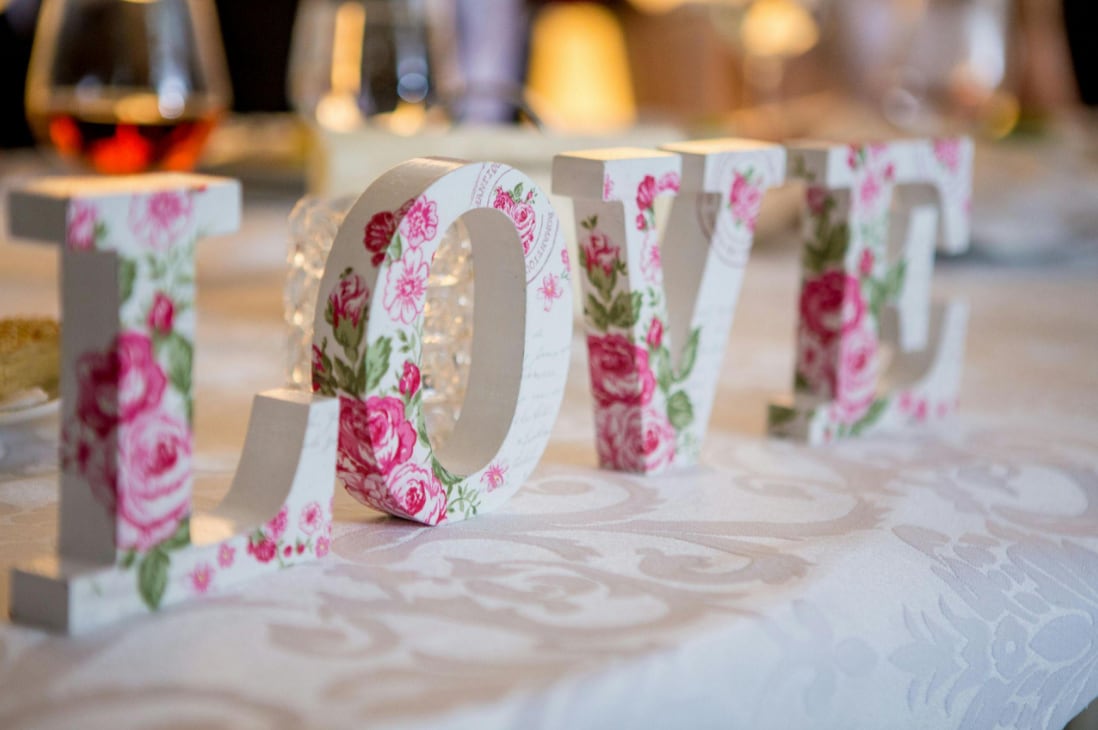
Valentine’s Day often arrives with a weight of expectation. Images of elaborate gestures and perfectly styled moments can create the impression that the day must follow a particular script. Yet, for many people, these expectations detract from what the occasion is really about: connection, care, and presence.
A more grounded approach is to see Valentine’s Day as a pause rather than a performance. Whether shared with a partner, close friends, or spent quietly alone, the most meaningful celebrations tend to be shaped by intention rather than scale. By focusing on atmosphere, shared time, and thoughtful choices, the day can feel personal instead of pressured.
Creating a Calm and Romantic Atmosphere at Home
Let Mood Lead the Way
Romantic décor is most effective when it supports a relaxed mood rather than dominating a space. Soft lighting, uncluttered surfaces, and gentle textures help create an environment where people feel comfortable and unhurried.
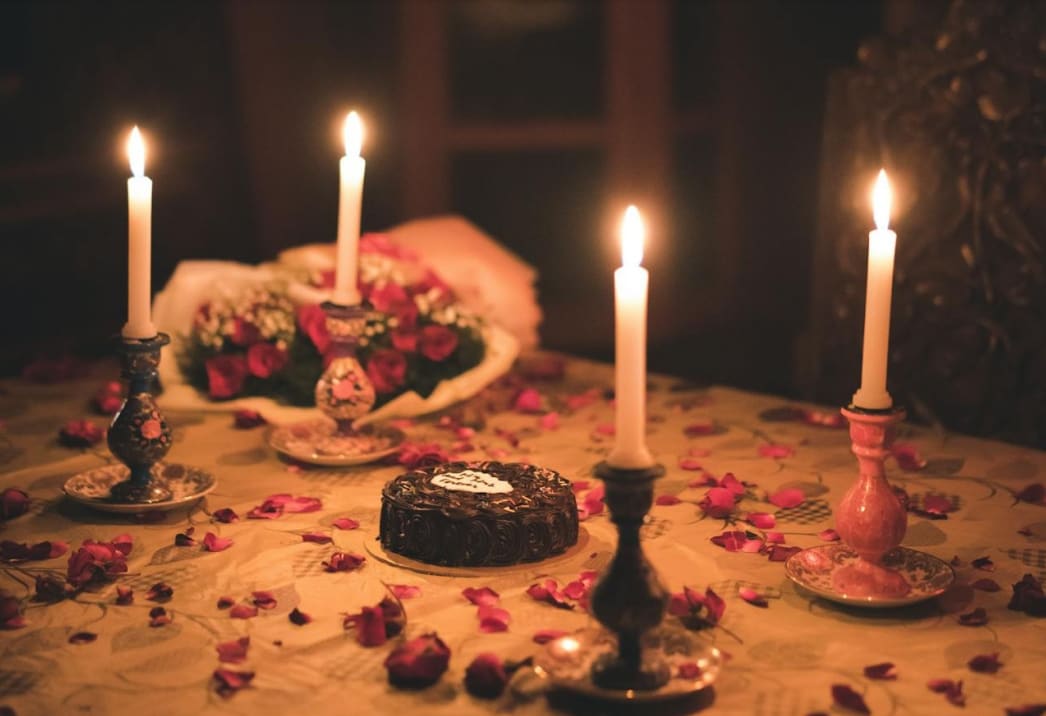
Candles are often associated with romance, but they work best when used sparingly. A few placed thoughtfully can add warmth without distraction. It is important, however, to be mindful of safety. The London Fire Brigade advises keeping candles away from flammable materials and never leaving them unattended, particularly during longer evenings at home:
Small Changes, Big Impact
You do not need new decorations to make a space feel special. Fresh bedding, clean tableware, or rearranged seating can subtly shift the tone of a room. Clearing clutter alone often creates a calmer atmosphere, allowing attention to move from surroundings to the people within them.
Romantic spaces are often defined more by simplicity than by ornament.
Date Ideas That Feel Natural, Not Forced
Meaningful At-Home Dates
Staying in for Valentine’s Day can be deeply satisfying, especially when it removes the stress of reservations or crowded venues. Cooking together is a popular choice because it offers a shared activity without demanding constant conversation.
Other relaxed at-home ideas include:
● Watching a film connected to a shared memory
● Creating a playlist together and listening without distractions
● Playing a familiar board or card game
● Reading or writing quietly in the same room
These moments encourage connection through shared presence rather than structured entertainment.
Going Out with Intention
If you do choose to go out, simplicity often enhances the experience. A walk before dinner, a visit to a gallery, or a quiet café can feel more personal than a tightly scheduled evening.
Research highlighted by the British Psychological Society suggests that shared attention and meaningful conversation are central to relationship satisfaction, often more so than elaborate activities.
Romantic Gestures That Carry Real Weight
The Power of Thoughtful Words
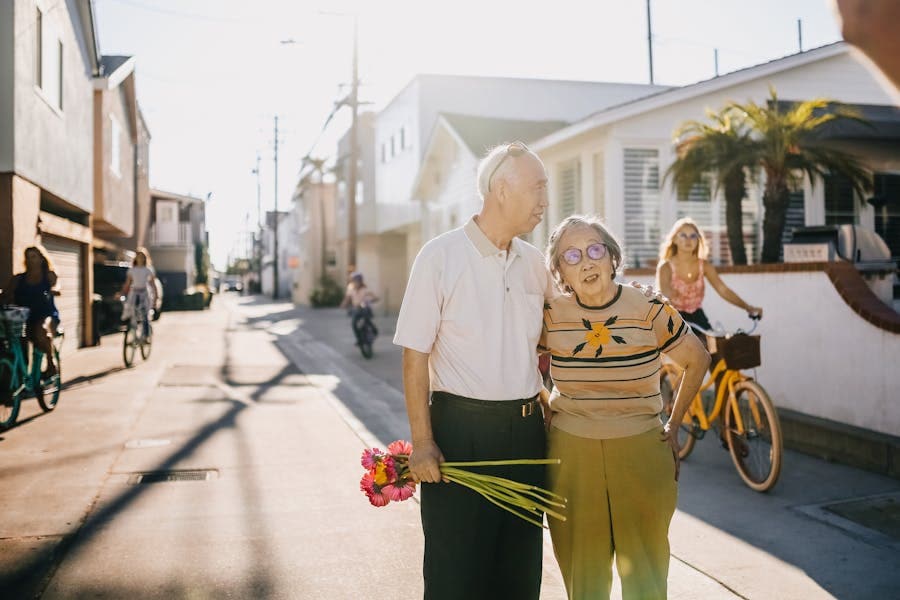
A handwritten note or card can feel more meaningful than an expensive gift when it reflects genuine thought. Expressing appreciation, recalling a shared moment, or simply acknowledging the relationship can carry lasting emotional value.
These gestures feel especially powerful when they are personal rather than polished. Authenticity matters more than eloquence.
Letting the Day Unfold
Valentine’s Day does not need to revolve around a single event. Small gestures spread throughout the day, a shared breakfast, a thoughtful message, an unhurried conversation — help maintain connection without pressure.
This approach allows the day to feel fluid and human, rather than something that must build toward one defining moment.
Rethinking Gifts with Intention
Moving Beyond Convention
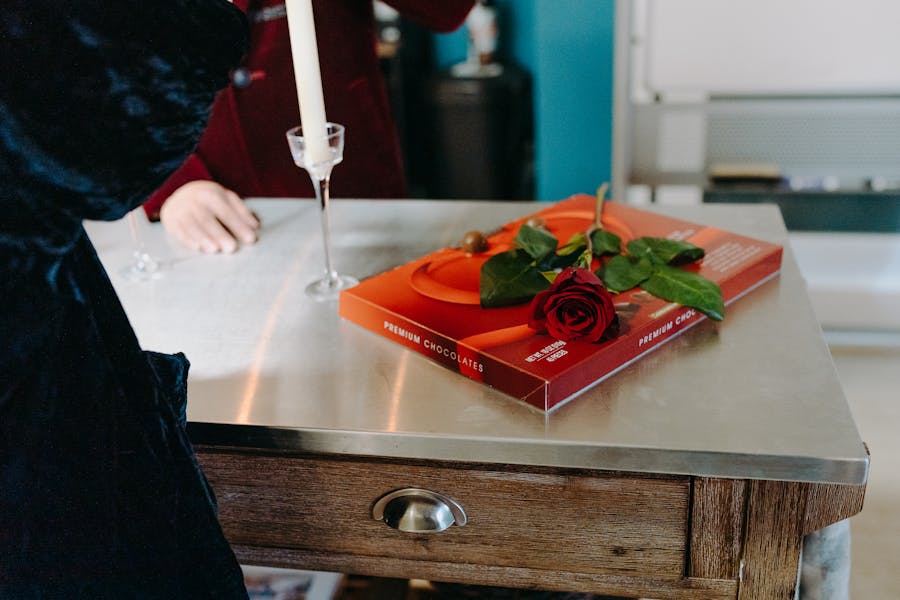
Traditional Valentine’s gifts are familiar, but they are not always the most meaningful. Gifts that reflect the recipient’s interests, routines, or values often resonate more deeply.
A book aligned with their interests, a small object tied to a shared memory, or something handmade can communicate care without excess. The UK charity Relate notes that feeling understood and valued is more important to relationship wellbeing than material displays.
Choosing Experiences Over Objects
Experiential gifts, such as planning a future outing, workshop, or short trip, often create longer-lasting memories than physical items. Having something to look forward to extends the meaning of Valentine’s Day beyond the date itself.
Even simple plans, like scheduling a walk or meal later in the month, can reinforce connection and anticipation.
Making Space for Different Ways of Celebrating
Valentine’s Day does not have to centre exclusively on romantic partnerships. Celebrating friendships, family relationships, or personal well-being can make the day feel inclusive rather than prescriptive.
For some, the most meaningful choice may be rest, reflection, or self-care. The NHS highlights the importance of social connection and emotional wellbeing in maintaining mental health, but also recognises the value of rest and balance.
Allowing the day to serve different needs helps remove comparison and expectation.
Letting Go of Comparison
One of the most common sources of dissatisfaction on Valentine’s Day is comparison, measuring personal experiences against idealised versions seen elsewhere. Letting go of these comparisons creates space for authenticity.
Not every meaningful moment is visible or shareable. Often, the most memorable experiences are quiet, unplanned, and deeply personal.
Final Thoughts
A meaningful Valentine’s Day is shaped by intention rather than spectacle. Thoughtful décor, relaxed date ideas, and small gestures rooted in genuine care create a sense of connection that lasts beyond the day itself.
By focusing on presence, comfort, and authenticity, Valentine’s Day becomes less about meeting expectations and more about reflecting what truly matters: shared time, mutual understanding, and quiet appreciation.


_20260602_cc9a7609.png)


