

Back pain is one of the most common physical complaints in modern life.
Long hours sitting at desks, poor posture, lack of movement, and repetitive daily habits can all place strain on the spine and surrounding muscles. While occasional discomfort is common, ongoing tension often develops gradually through everyday routines rather than a single injury.
The excellent news is that small changes in posture, movement, and workspace habits can make a meaningful difference. Understanding how daily activities affect spinal health is often the first step toward reducing discomfort and improving long-term mobility.
Common Causes of Back Pain
Back pain can develop for many different reasons, but modern routines are often a major factor.
1. Prolonged sitting - Sitting for long periods places pressure on the lower back, especially when posture is unsupported. Many people spend several hours each day sitting at work, during travel, and at home, which limits movement and increases stiffness over time.
2. Poor posture - Slouching, leaning forward, or sitting without proper support can gradually strain the muscles surrounding the spine. According to the NHS, posture plays a major role in spinal health and muscular tension.
3. Lack of movement - The body is designed to move regularly. Remaining in one position for too long can tighten muscles and reduce flexibility, particularly around the hips and lower back.
4. Weak core muscles - Core muscles help support the spine during movement and daily activity. When these muscles are weak, the back often compensates by working harder than it should.
How Daily Habits Affect Spinal Health
Small daily habits can either support or strain the spine over time.
1. Workspace setup - A poorly positioned screen or unsupported chair can encourage slouching throughout the day.
Keeping screens at eye level and using supportive seating helps maintain more natural alignment.
2. Sleeping position - Sleep posture also affects the spine. Sleeping on your back or side with proper support generally places less strain on the lower back than stomach sleeping.
3. Carrying heavy bags - Uneven weight distribution from bags or backpacks can place additional stress on one side of the body.
4. Stress and muscle tension - Stress often causes people to tighten muscles unconsciously, especially around the neck and shoulders. This can contribute to ongoing discomfort and stiffness. --altImgStart--{"link":"https://s3.springbeetle.top/prod-common-bucket/commodity/item/3386_20260528_CpKaAHvf.jpg"}--altImgEnd--
According to the American Chiropractic Association, tension and prolonged muscle strain are common contributors to everyday back pain.
Why Movement Matters
Movement helps keep muscles active and improves circulation around the spine.
Reducing stiffness
Changing position regularly prevents muscles from becoming tight and fatigued.
Supporting flexibility
Gentle movement helps maintain mobility in the hips, back, and shoulders.
Improving posture awareness
Regular movement breaks make it easier to notice poor posture habits before they become uncomfortable.
The Health and Safety Executive recommends regular movement during desk work to reduce strain linked to prolonged sitting.
Simple Exercises for Back Pain Relief
These exercises are designed to be gentle and practical rather than intense.
● Knee-to-chest stretch
Lie on your back and gently pull one knee toward your chest while keeping the other leg relaxed. Hold for 20–30 seconds before switching sides.
This stretch helps reduce tension in the lower back.
● Cat-cow stretch
Start on your hands and knees. Slowly arch your back upward, then lower it gently while lifting your head slightly.
This movement supports spinal mobility and flexibility.
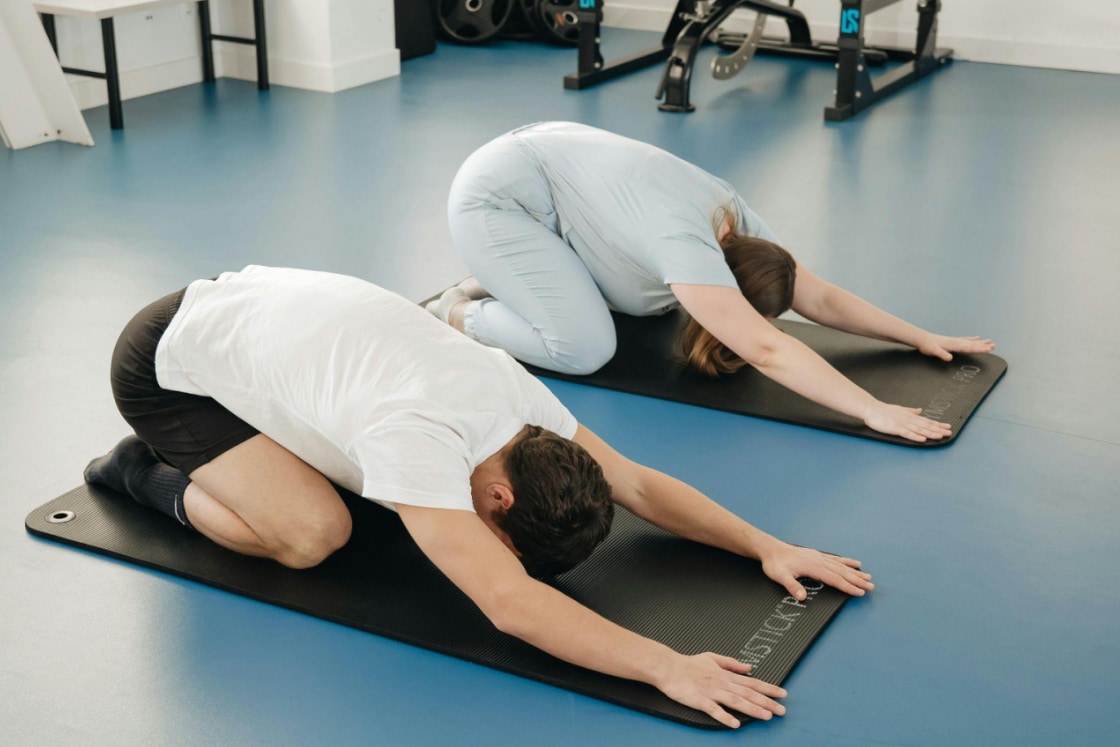
● Child’s pose
Sit back onto your heels while stretching your arms forward along the floor.
This position gently stretches the back and shoulders while encouraging relaxation.
● Seated spinal twist
Sit upright and gently rotate your upper body to one side while keeping your hips stable.
This stretch helps improve spinal mobility and reduce stiffness.
● Standing hamstring stretch
Tight hamstrings often contribute to lower back tension. Gentle stretching behind the legs can help reduce strain around the hips and lower back. --altImgStart--{"link":"https://s3.springbeetle.top/prod-common-bucket/commodity/item/gjghnmiyfg_20260528_sxIHU6Rl.png"}--altImgEnd--
Practical Habits That Support a Healthier Back
Take regular breaks
Standing up and moving for even a few minutes every hour can reduce stiffness significantly.
Adjust your seating position
Sit with your feet flat on the floor and your back supported rather than leaning forward.
Avoid staying in one position too long
Even good posture becomes uncomfortable if maintained for several hours without movement.
Build movement into your day
Walking, stretching, or light activity throughout the day supports circulation and spinal mobility.
When to Seek Professional Advice
Most mild back pain improves with movement, posture adjustments, and healthy habits.
However, professional advice may be helpful if:
- Pain becomes severe or persistent
- Discomfort spreads down the legs
- Movement becomes difficult
- Symptoms continue worsening over time
FAQ: Back Pain and Spinal Health
1. What is the most common cause of back pain?
Poor posture, prolonged sitting, and lack of movement are among the most common causes.
2. Can stretching help relieve back pain?
Yes. Gentle stretching may help reduce stiffness and improve flexibility.
3. Is walking good for back pain?
Light walking often helps improve circulation and reduce muscle tightness.
4. How often should I move during desk work?
Short movement breaks every 30 to 60 minutes are generally recommended.
Conclusion
Back pain is often closely linked to daily habits, posture, and movement patterns.
While discomfort can feel frustrating, small adjustments made consistently can have a positive impact over time. Paying attention to posture, moving more regularly, and introducing simple stretches into your routine can help reduce tension and improve overall spinal health.
The goal is not perfection but creating healthier habits that support comfort, mobility, and long-term wellbeing throughout everyday life.


_20260602_cc9a7609.png)


