

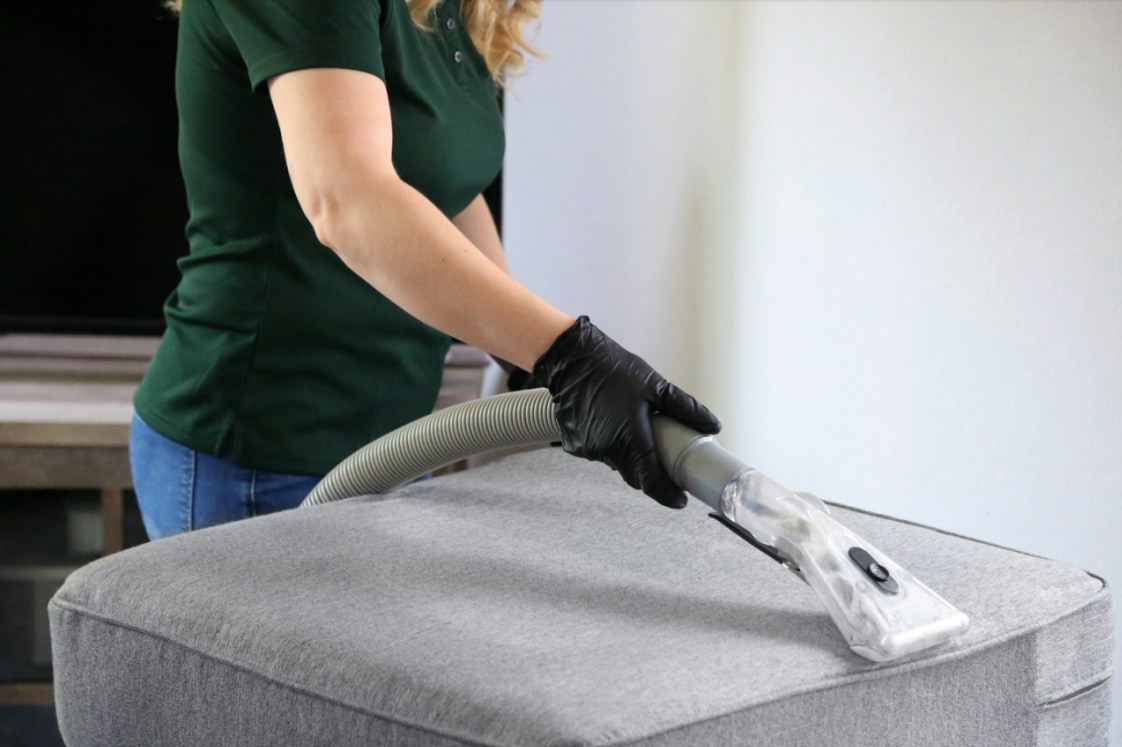
Sofas tend to collect the realities of everyday life.
Coffee spills from rushed mornings, crumbs from evening snacks, and occasional ink marks from misplaced pens all contribute to the mess. While it’s tempting to ignore small stains at first, they rarely stay small for long.
The key isn’t aggressive cleaning or expensive products. It’s about knowing what to do quickly and using the right approach for the fabric you have. With a few simple methods, most common stains can be removed safely without damaging your sofa.
Understanding Your Sofa Fabric First
Before reaching for any cleaning solution, take a moment to check what your sofa is made from.
Different materials react differently to moisture and cleaning agents. Using the wrong method can set stains deeper or damage the fabric.
Most sofas come with a care label indicating how they should be cleaned:
● W: Water-based cleaners are safe
● S: Solvent-based cleaners only
● WS: Both water and solvent cleaners can be used
● X: Vacuum only, no liquid cleaning
If you’re unsure, it’s always safest to test any method on a hidden area first.
General guidance from organisations like the Good Housekeeping Institute highlights that gentle, fabric-appropriate cleaning is far more effective than harsh scrubbing.
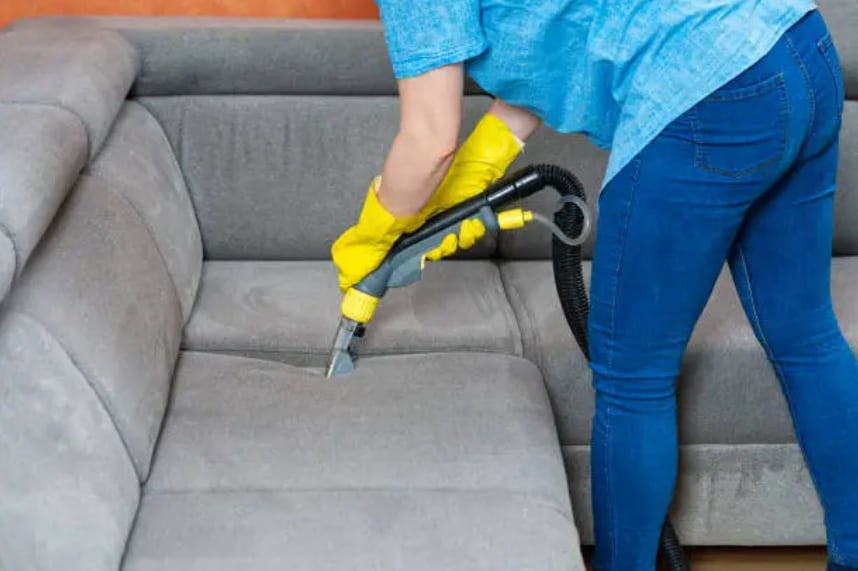
How to Remove Common Sofa Stains
Food and Drink Stains
Spills like coffee, wine, or juice are among the most common.
Start by blotting the stain immediately with a clean cloth. Avoid rubbing, as this pushes the liquid deeper into the fibres.
Then:
- Mix a small amount of mild washing-up liquid with warm water
- Dampen a cloth (not soaking)
- Gently blot the stain from the outside inward
- Finish by blotting with a dry cloth
For tougher stains like red wine, a small amount of diluted white vinegar can help break down the pigment.
Oil and Grease Marks
Greasy stains behave differently; water alone won’t lift them.
Instead:
- Sprinkle baking soda or cornflour over the stain
- Leave it for 15–30 minutes to absorb the oil
- Vacuum the powder away
- Follow with a light fabric cleaner if needed
This method helps lift the grease before it sets into the fabric.
● Ink Stains
Ink can spread quickly if handled incorrectly.
Use a small amount of rubbing alcohol on a cotton pad and gently dab the stain. Avoid soaking the fabric; a light touch is enough to break down the ink.
Repeat as needed, then blot dry.
● Pet and Odour Stains
For odours or pet-related stains, a mixture of water and white vinegar can help neutralise smells.
After cleaning, ensure the area dries properly to prevent lingering odours or dampness.
Guidance from the NHS on maintaining a clean home environment also highlights the importance of proper drying and ventilation to prevent bacterial growth.
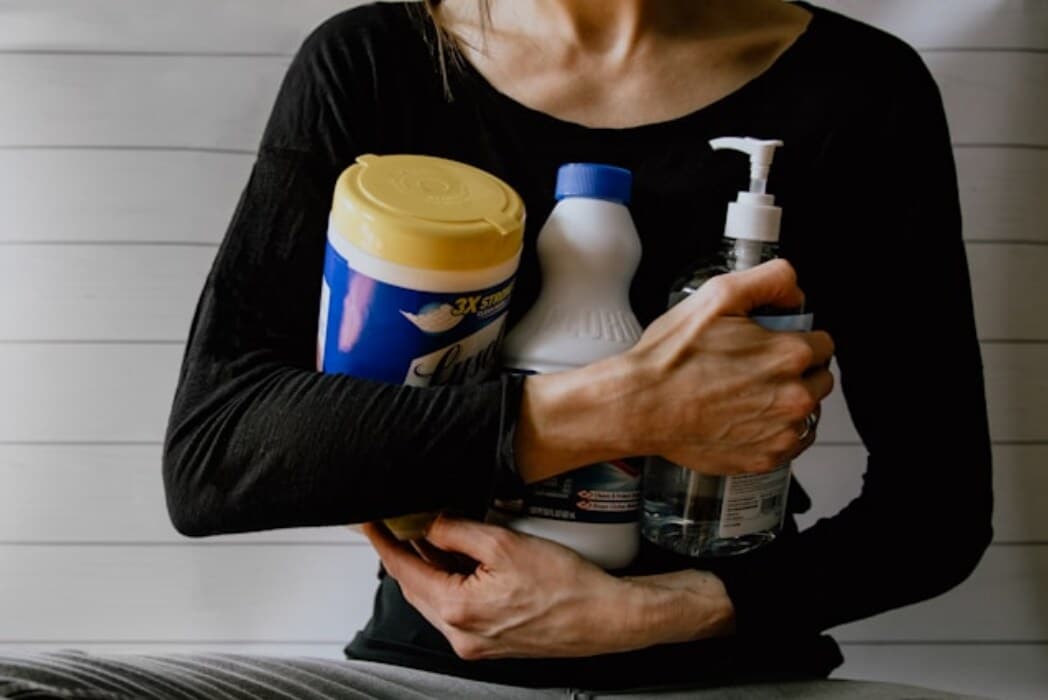
Cleaning Materials to Keep on Hand
You don’t need a cupboard full of specialist products.
A simple kit will handle most situations:
- Mild washing-up liquid
- White vinegar
- Baking soda
- Clean microfibre cloths
- Soft brush
- Vacuum cleaner
Keeping these nearby makes it easier to deal with stains before they settle.
Precautions to Avoid Damaging Your Sofa
➢ Don’t Over-Wet the Fabric
Too much moisture can weaken upholstery fibres and leave water marks.
Always use a damp cloth rather than soaking the area.
➢ Avoid Harsh Chemicals
Strong cleaning agents can fade colours or damage delicate fabrics. Stick to mild, tested solutions unless the manufacturer recommends otherwise.
➢ Blot, Don’t Scrub
Scrubbing may seem effective, but it often spreads the stain and damages the texture of the fabric.
➢ Let It Dry Properly
After cleaning, allow the sofa to air dry fully. Opening windows or improving airflow helps prevent damp smells.
The British Cleaning Council emphasises proper drying and ventilation as key steps in effective home cleaning.
Practical Guide: Keeping Your Sofa Clean Long-Term
● Deal With Spills Immediately
The faster you act, the easier the stain is to remove.
● Vacuum Regularly
Dust and debris settle into fabric over time. A quick weekly vacuum helps maintain the sofa’s appearance and hygiene.
● Rotate Cushions
If your sofa has removable cushions, rotating them helps distribute wear evenly and prevents certain areas from becoming more stained than others.
● Build a Functional Living Space
Your sofa is part of a wider home environment. Pairing it with practical furniture, from supportive seating to well-designed storage and adaptable home setups, can make day-to-day living easier and more manageable.
FAQ: Common Questions About Sofa Cleaning
● Can I use water on all sofas?
No. Always check the care label first. Some fabrics require solvent-based cleaning instead of water.
● How do I remove old stains from a sofa?
Older stains may require repeated gentle cleaning rather than a single strong treatment. Working gradually helps avoid damaging the fabric.
● Is vinegar safe for sofa cleaning?
In small, diluted amounts, vinegar is generally safe for many fabrics. However, always test it on an unseen area first.
● How often should I clean my sofa?
Light cleaning, such as vacuuming, should be done weekly. Deeper cleaning can be done every few months or as needed.
Conclusion
Keeping your sofa clean doesn’t require complicated methods or expensive products.
Most stains can be handled with simple techniques, provided you act quickly and treat the fabric carefully. Understanding your sofa’s material and using the right approach makes all the difference.
With a bit of regular care and attention, your sofa can remain a comfortable, clean centrepiece in your living space, ready for everyday use without the worry of lasting marks.


_20260602_cc9a7609.png)


