

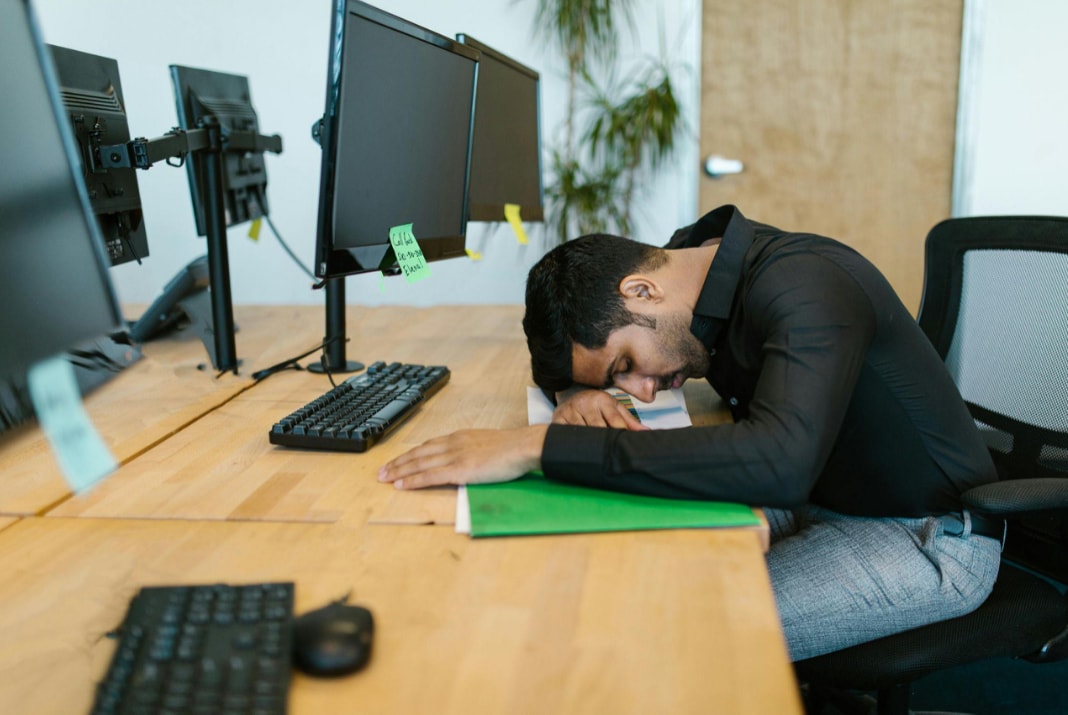
Feeling constantly exhausted has become surprisingly normal.
You wake up, survive through the day, and still feel drained, even if you haven’t done anything physically demanding. For many people, especially those working at a desk, low energy isn’t about laziness or lack of motivation. It’s often the result of how modern work is structured.
Long hours sitting, limited movement, poor sleep habits, and constant screen exposure all play a role.
The good news is that energy isn’t fixed. With the right habits and a few practical changes, you can improve how you feel throughout the day without relying on caffeine or quick fixes.
Why Do We Feel So Tired?
Fatigue usually has more than one cause.
The NHS links persistent tiredness to lifestyle factors such as poor sleep, stress, and lack of physical activity.
In a typical work environment, the most common contributors include:
- Sitting for long periods without movement
- Poor sleep routines
- Mental overload and constant screen use
- Irregular eating habits
- Low exposure to natural light
These factors don’t just affect your body; they reduce your ability to focus, stay motivated, and think clearly.
Move More, Even in Small Ways
One of the simplest ways to improve energy is to move more throughout the day.
You don’t need a full workout. Short, regular movement breaks can make a noticeable difference.
The World Health Organization recommends breaking up long periods of sitting with movement to support both physical and mental health.
Practical ways to do this:
1. Stand up every 30–60 minutes
2. Take short walks, even around your home or office
3. Stretch your back, shoulders, and legs
A height-adjustable desk can help make these activities easier by allowing you to alternate between sitting and standing without interrupting your workflow. Some people also find that light activity, such as using a walking pad, helps maintain energy during longer tasks.

Improve Your Sleep Routine
Low energy during the day often starts the night before.
Consistent sleep is one of the most important factors in maintaining energy and focus. The Mayo Clinic highlights that adults typically need around 7–9 hours of quality sleep each night for optimal functioning.
Simple ways to improve sleep:
➔ Go to bed and wake up at the same time each day
➔ Avoid screens for at least 30 minutes before sleep
➔ Keep your bedroom dark and quiet
➔ Avoid heavy meals or caffeine late in the evening
Creating a comfortable sleeping environment also matters. A supportive bed and a well-designed bedroom setup can improve sleep quality more than most people realise.
Manage Screen Time and Mental Load
Working on screens all day drains both your eyes and your mind.
Constant notifications, multitasking, and prolonged focus can leave you mentally exhausted even if you haven’t moved much physically.
To reduce this:
● Work in focused blocks without interruptions
● Take proper breaks away from screens
● Adjust screen brightness and positioning
Even small changes to your setup, such as improving lighting or adjusting your desk height, can reduce the strain that contributes to fatigue.
Eat and Hydrate Consistently
Energy dips are often linked to inconsistent eating or dehydration.
Skipping meals or relying on sugary snacks can cause short bursts of energy followed by crashes.
Instead:
● Eat balanced meals with protein, healthy fats, and carbohydrates
● Stay hydrated throughout the day
● Avoid excessive caffeine, especially in the afternoon
Stable energy comes from consistency, not quick fixes.
Create a Workspace That Supports You
Your environment has a bigger impact on energy than you might think.
A poorly arranged workspace can lead to discomfort, reduced movement, and increased fatigue. On the other hand, a well-designed setup supports both physical comfort and mental clarity.
Consider:
● A supportive ergonomic office chair
● A desk that allows proper posture
● Good lighting, ideally with natural light
● Space to move freely
When your workspace works with you, rather than against you, maintaining energy becomes much easier.
Practical Guide: Daily Habits to Boost Energy
● Start Your Day With Movement
Even light activity in the morning can help wake your body up and set a more energetic tone for the day.
● Break Tasks Into Manageable Blocks
Working in shorter, focused intervals helps prevent mental overload and keeps your energy more stable.
● Step Away Properly During Breaks
Avoid using breaks to scroll on your phone. Instead, move, stretch, or rest your eyes.
● Get Natural Light Where Possible
Exposure to daylight helps regulate your internal clock and improves alertness.
FAQ: Common Questions About Fatigue
❖ Why do I feel tired even after sleeping?
This can be due to poor sleep quality, stress, or lifestyle factors such as lack of movement and excessive screen time.
❖ Does sitting all day make you more tired?
Yes. Prolonged sitting reduces circulation and can lead to both physical and mental fatigue.
❖ How can I boost energy without caffeine?
Regular movement, proper hydration, balanced meals, and consistent sleep are more effective long-term solutions.
❖ How long should breaks be during the workday?
Short breaks every 30–60 minutes are ideal. Even a few minutes of movement can help reset your energy.
Conclusion
Low energy isn’t something you have to accept as part of your routine.
Small, repeated habits often cause low energy, which means you can improve it with small, consistent changes. Moving more, sleeping better, and creating a workspace that supports your body all contribute to better energy and focus.
You don’t need to change everything at once. Start with one or two adjustments, build from there, and you’ll likely notice the difference sooner than you expect.


_20260602_cc9a7609.png)


