


Why Calm Has Become a Design Priority
In recent years, the idea of the home as a place of calm has taken on new importance. With work, communication, and entertainment increasingly overlapping within the same space, many people are rethinking how their interiors support everyday wellbeing.
Japandi design responds to this shift by offering a quieter, more intentional approach to living. Rather than relying on decorative trends, it focuses on balance, functionality, and materials that age well. The result is a home that feels grounded rather than overstimulating.
Creating a calm environment is not about removing character. It is about choosing elements that contribute to comfort and clarity rather than visual noise.
Understanding the Japandi Approach
Japandi design blends Japanese and Scandinavian influences, drawing on shared values of simplicity, craftsmanship, and respect for natural materials. Both traditions prioritise thoughtful use of space and furniture that support daily life.
In practice, Japandi interiors favour neutral colour palettes, clean lines, and restrained decoration. Surfaces are kept clear, and objects are chosen for purpose as much as appearance. This balance helps rooms feel open and breathable without becoming sparse.
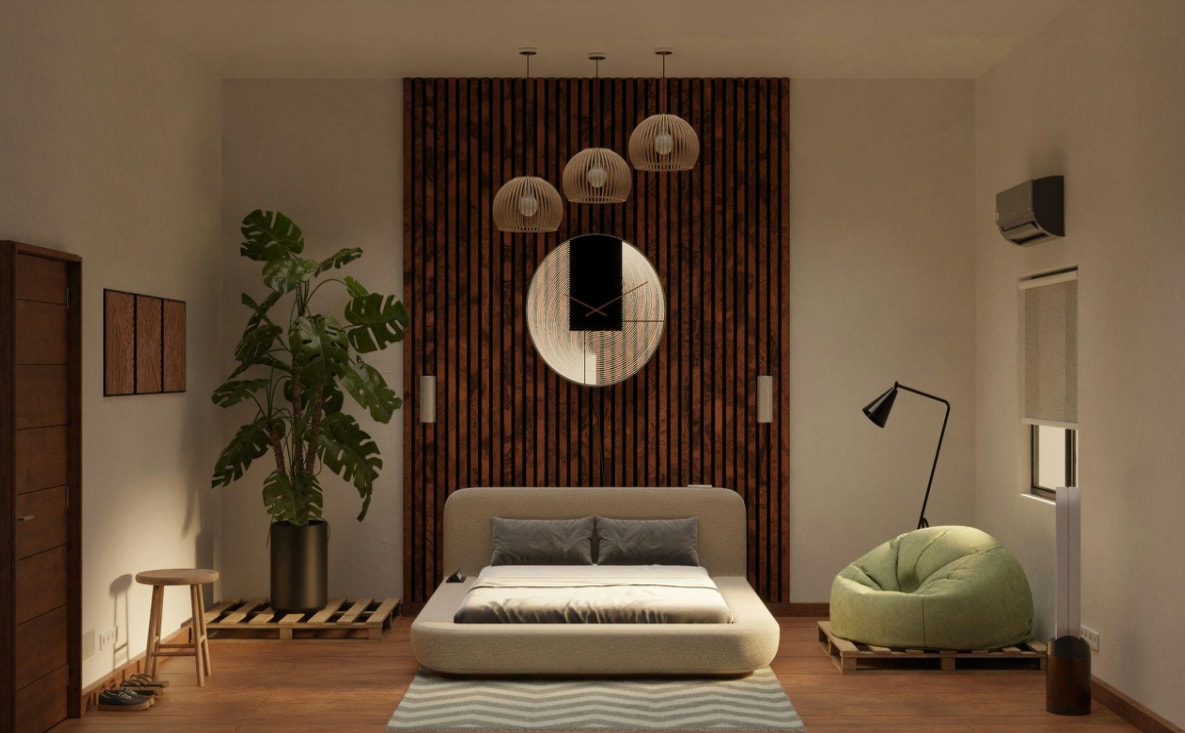
The emphasis is not on perfection, but on harmony between form and function.
Using Space to Support Calm
A calm home begins with how space is used. Japandi design encourages deliberate layout choices that allow rooms to flow naturally.
Furniture placement should support movement rather than restrict it. Leaving space around key pieces helps reduce a sense of crowding and allows light to travel through the room. This approach can be especially effective in smaller UK homes, where efficient use of space has a significant impact on comfort.
Clear zones for different activities also contribute to calm. When each area has a defined purpose, the home feels more organised and easier to navigate.
The Role of Natural Materials
Natural materials are central to Japandi interiors. Wood, linen, ceramics, and stone introduce warmth and texture without overwhelming the senses.
Wood plays a particularly important role. Its visual softness and tactile quality help balance the simplicity of the overall design. Choosing solid wood furniture supports the Japandi emphasis on longevity and craftsmanship.
A piece such as the Japandi Solid Wood Bed Frame offers an example of how a solid wood bed frame can anchor a bedroom while maintaining a calm and understated presence. Rather than acting as a focal point, it supports rest through stability, proportion, and material quality. --altImgStart--{"link":"https://s3.springbeetle.eu/dev-de-s3-flexispot/commodity/item/1028_file_BF6JPWalnut-%E5%9C%BA%E6%99%AF1_20260116_Ln0yavBf_20260216_EwGB8TIn.png","alt":"Japandi Solid Wood Bed Frame (Kana)"}--altImgEnd--
--shopstart--{"id":10010009,"link":10010009,"name":"Japandi Solid Wood Bed Frame","shortName":"Kana","url":"https://s3.springbeetle.eu/dev-de-s3-flexispot/commodity/item/1028_file_20251022-074841.542-4.png","itemFootMarkType":"NEW"}--shopend--
This approach encourages fewer but better choices, which aligns with sustainable design thinking.
Colour Choices That Encourage Rest
Japandi color palettes are typically muted and nature-inspired. Soft whites, warm greys, beige tones, and gentle earth colors create a soothing backdrop.
These tones reflect light well and help rooms feel brighter without relying on stark contrast. Darker shades are used sparingly, often to add depth rather than drama.
Keeping colors consistent across rooms also supports visual calm. When spaces relate to one another, the home feels cohesive and balanced rather than fragmented.
Furniture That Prioritises Comfort
Comfort is central to Japandi design, but it is expressed subtly. Furniture is chosen for support and proportion rather than bold shapes.
Low-profile seating, supportive mattresses, and well-balanced tables contribute to a sense of ease. In bedrooms, prioritizing comfort becomes especially important, as sleep quality is closely linked to physical and mental well-being.
The National Health Service highlights the importance of a supportive sleep environment, including appropriate bedding and furniture, in maintaining good sleep habits. Japandi design naturally supports these principles through simplicity and thoughtful material choices. --altImgStart--{"link":"https://s3.springbeetle.eu/dev-de-s3-flexispot/commodity/item/Screenshot%202026-01-30%20145116_20260216_Grkvdq0v.png","alt":"Japandi Solid Wood Bed Frame (Kana)"}--altImgEnd--
Reducing Clutter to Support Wellbeing
Clutter is one of the biggest barriers to a calm home. Japandi design addresses this through restraint rather than strict minimalism.
Storage is integrated quietly, allowing everyday items to be kept out of sight. Open surfaces are left clear, which reduces visual distraction and makes rooms easier to maintain.
According to the Health and Safety Executive, organized environments can help reduce physical strain and mental fatigue. While this guidance often focuses on workplaces, the same principles apply at home, particularly in shared or multi-use spaces.
Reducing clutter does not mean removing personal items. It means choosing what to display intentionally.
Lighting as a Tool for Calm
Lighting plays a significant role in how a space feels. Japandi interiors favour soft, layered lighting rather than harsh overhead sources.
Natural light is maximised wherever possible. Sheer curtains, reflective surfaces, and uncluttered windows help daylight move freely through the home. In the evening, warm light sources create a sense of comfort and transition.
Using multiple light sources allows the atmosphere to change throughout the day, supporting both activity and rest.
Creating a Home That Feels Lived In
A calm home should still feel personal. Japandi design allows space for individuality through texture, subtle variation, and meaningful objects.
Handmade ceramics, natural fabrics, or well-chosen artwork add character without disrupting balance. Over time, these elements give the home depth and warmth.
Rather than styling a room all at once, Japandi encourages gradual refinement. This slow approach helps the home evolve naturally.
Final Thoughts
Creating a calm, comfortable home with Japandi design is less about following rules and more about intention. By focusing on space, material quality, and everyday comfort, it is possible to create interiors that support well-being without feeling empty or restrictive.
Japandi design offers a thoughtful framework for modern living. It prioritizes rest, function, and balance, allowing the home to become a place that restores rather than overwhelms.


_20260602_cc9a7609.png)


