

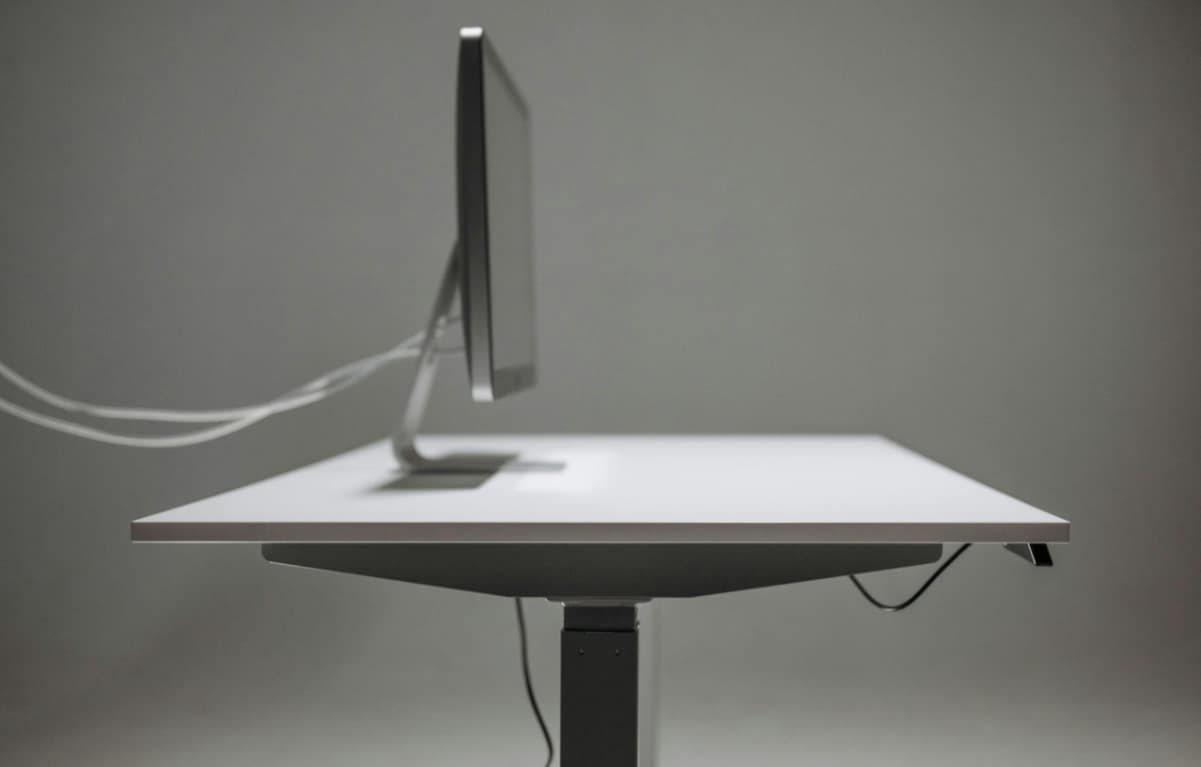
Desktop thickness may seem like a small detail, but it has a significant impact on how a desk looks, feels, and performs over time.
Whether you are setting up a home office, gaming station, or flexible workspace, the thickness of the desktop affects stability, durability, weight, and overall appearance. Choosing the right option is not only about aesthetics. It also influences how the desk handles daily use, monitors, equipment, and long-term wear.
The most common desktop thicknesses are 18mm, 25mm, and 38mm. Each has its own advantages depending on how the desk will be used and the type of setup you want to create.
Why Desktop Thickness Matters
Desktop thickness affects both performance and visual balance.
1. Stability and durability
Thicker desktops generally feel more solid and stable, especially when supporting heavier equipment such as dual monitors or monitor arms.
2. Appearance and proportions
The thickness of a desktop changes the overall visual style of the desk. Slimmer surfaces feel lighter and more minimalist, while thicker desktops create a stronger and more premium appearance.
3. Weight and flexibility
Thicker desktops are heavier, which can improve stability but may also reduce portability or make assembly more difficult.
Understanding the Differences
18mm desktop
An 18mm desktop is the slimmest and lightest option of the three.
Best suited for:
- Minimalist setups
- Lightweight office use
- Compact home workspaces
- Laptop-based setups
Its slimmer appearance works well in smaller rooms because it creates a lighter visual profile. It is also easier to move and assemble.
However, thinner desktops may feel less substantial under heavier loads or larger monitor setups.
25mm desktop
A 25mm desktop is often considered the most balanced option.
Best suited for:
- Everyday home offices
- Dual-monitor setups
- Hybrid workspaces
- Standing desk configurations
It offers a noticeable increase in stability compared to 18mm while still maintaining a relatively clean and modern appearance.
For many users, this thickness provides the best balance between durability, practicality, and design flexibility.
38mm desktop
A 38mm desktop creates a much more substantial appearance.
Best suited for:
- Premium office setups
- Executive-style desks
- Heavy equipment setups
- arger workspaces
The thicker profile creates a stronger visual presence and often feels more luxurious. It also provides excellent stability for heavier equipment.
However, it adds more weight and may feel oversized in smaller rooms or minimalist interiors.
Visual Comparison of Desktop Thicknesses

How Thickness Affects Standing Desks
Desktop thickness becomes particularly important when using a standing desk.
Supporting movement and equipment
Standing desks regularly change height, which means stability matters more than with fixed desks. A desktop that feels too thin may flex slightly under heavier equipment.
Balancing appearance and practicality
A thicker desktop often pairs well visually with adjustable desk frames because it creates a more balanced overall structure.
The E7 Standing Desk Series is designed to support different desktop options depending on the type of setup you want to create.
For many users, a 25mm desktop combined with a standing desk frame creates the best balance between stability and everyday practicality.
--altImgStart--{"link":"https://s3.springbeetle.top/prod-common-bucket/commodity/item/bureau-e7%20plus-sence-4-new_20260529_dX81NPyM.png","alt":"Premium Standing Desk Series (E7 Series 2026)"}--altImgEnd-- --shopstart--{"id":852003,"link":852003,"name":"Premium 4-Leg Standing Desk","shortName":"E7 Plus","url":"//s3.springbeetle.eu/prod-eu-s3/trantor/attachments/UK/ET213Q-E5Q-Main..png","itemFootMarkType":"CUSTOMIZE","itemFootMarkInput":"Extra 8% off"}--shopend--
Which Thickness Works Best for Different Setups?
Minimalist home office
An 18mm desktop works well if:
- You prefer a cleaner aesthetic
- Your setup is relatively lightweight
- Space is limited
Everyday productivity setup
A 25mm desktop is usually the most versatile option for:
- Remote work
- Dual monitors
- Daily office use
- Hybrid living spaces
Premium executive workspace
A 38mm desktop works best when:
- Appearance is a major priority
- The room is larger
- Heavier equipment is used regularly
--altImgStart--{"link":"https://s3.springbeetle.top/prod-common-bucket/commodity/item/bureau-e7%20plus-sence-1-new_20260529_xSMk65tm.png","alt":"Premium Standing Desk Series (E7 Series 2026)"}--altImgEnd--
Material Also Matters
Thickness alone does not determine quality.
Chipboard and fibreboard
These are often more affordable and lighter, but may vary in durability depending on finish quality.
Solid wood and bamboo
Natural materials usually provide stronger durability and a more premium appearance.
Surface finish protection
According to the Furniture Industry Research Association, maintaining desk surfaces properly helps extend durability and reduce long-term wear.
Common Mistakes to Avoid
Choosing only based on appearance
A desk that looks good but lacks stability may become frustrating over time.
Ignoring room size
Very thick desktops can overwhelm smaller rooms visually.
Underestimating equipment weight
Monitor arms, large screens, and office accessories add more load than many people expect.
FAQ: Desktop Thickness
Is 18mm thick enough for a desk?
Yes, for lighter setups and minimalist workspaces.
Is 25mm the best all-round option?
For most people, yes. It balances stability, appearance, and practicality well.
Is a 38mm desktop better?
It depends on the setup. It offers a stronger visual presence and stability, but may feel too heavy for smaller spaces.
Does desktop thickness affect standing desk stability?
Yes. Thicker desktops often feel more stable, especially during height adjustments.
Conclusion
Choosing the right desktop thickness depends on how you work, the style you prefer, and the type of setup you plan to build.
An 18mm desktop works well for lighter and more minimalist environments, while a 38mm desktop creates a more premium and substantial appearance. For most people, however, 25mm offers the most balanced combination of durability, stability, and flexibility.
By considering both functionality and aesthetics, you can create a workspace that feels comfortable, practical, and visually balanced for everyday use.
Desktop Thickness Comparison
Comparison of stability, visual weight, and flexibility across common desktop thicknesses.
| thickness | flexibility | stability |
| 18mm | 9 | 5 |
| 25mm | 8 | 8 |
| 38mm | 5 | 10 |


_20260602_cc9a7609.png)


