


Why Energy Saving Matters in 2026
As energy costs continue to fluctuate and climate concerns grow, saving energy at home has become both a financial and environmental priority. In 2026, households are increasingly looking for ways to reduce utility bills without sacrificing comfort or convenience.
The good news is that meaningful energy savings don’t require drastic lifestyle changes. Small, consistent adjustments, combined with smarter habits and efficient technology, can significantly lower energy use over time while supporting a more sustainable future.
1. Switch to Energy-Efficient Lighting
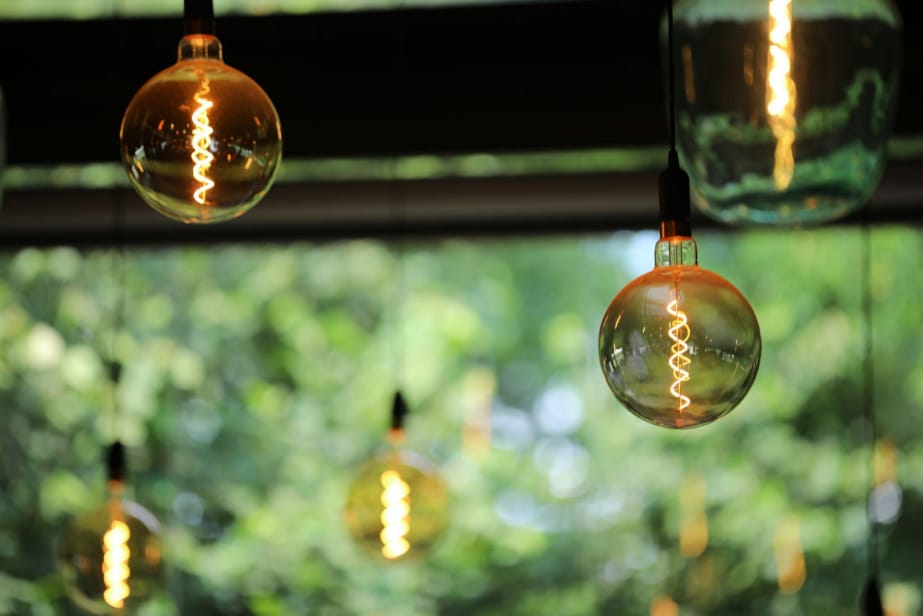
Lighting remains one of the easiest places to cut energy use. Replacing traditional bulbs with LED lighting can reduce lighting energy consumption by up to 80%.
According to the Energy Saving Trust, LED bulbs last longer and use far less electricity than incandescent or halogen options.
2. Unplug Devices When Not in Use
Many appliances continue to draw power even when switched off. Chargers, TVs, and gaming consoles all contribute to “standby power” usage.
Unplugging devices or using a power strip with an on/off switch can prevent unnecessary energy loss and reduce electricity bills with minimal effort.
3. Use Heating More Efficiently
Heating is often the biggest source of household energy consumption. Lowering your thermostat by just one degree can lead to noticeable savings over the year.
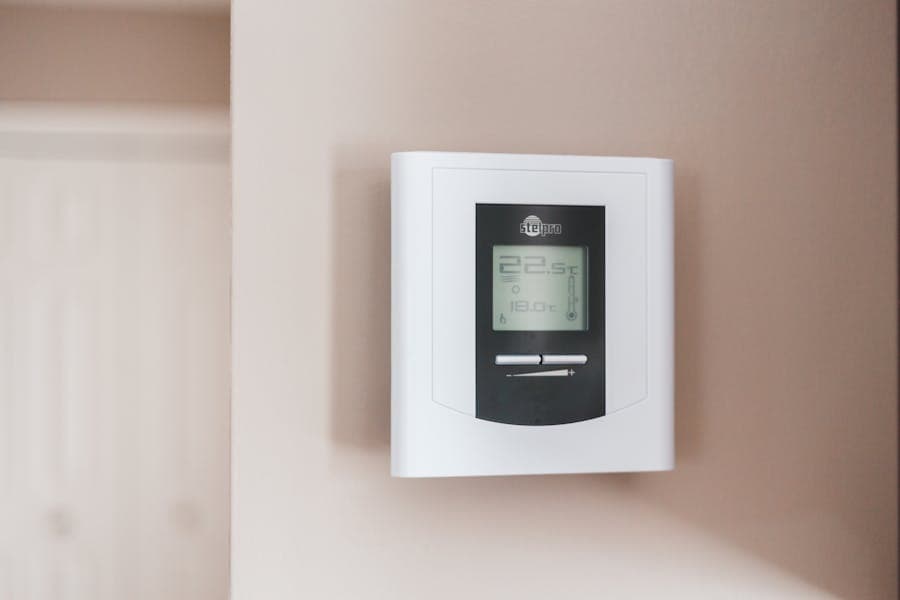
The UK government recommends setting thermostats sensibly and avoiding heating unused rooms whenever possible.
4. Improve Insulation and Draught Proofing
Heat loss through doors, windows, and walls increases energy demand. Sealing gaps around windows and doors helps keep warmth inside during colder months and prevents cool air from escaping in summer.
Simple draught-proofing solutions are inexpensive and effective, making them one of the best returns on investment for energy efficiency.
5. Choose Energy-Efficient Appliances
When replacing appliances, look for high energy-efficiency ratings. Modern refrigerators, washing machines, and dishwashers use significantly less energy than older models.
While energy-efficient appliances may cost more upfront, they often save money over their lifespan through reduced energy consumption.
6. Wash Smarter and Reduce Water Heating
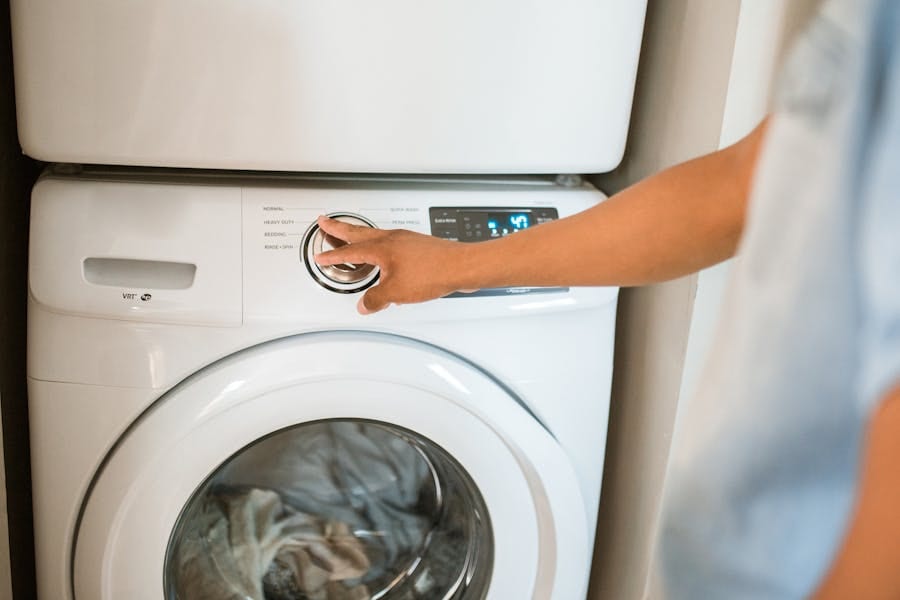
Water heating accounts for a substantial portion of home energy use. Washing clothes at lower temperatures and running full loads can significantly reduce energy demand.
The Energy Saving Trust notes that washing at 30°C instead of higher temperatures cuts electricity use while still cleaning effectively.
7. Make the Most of Natural Light and Ventilation
Using daylight reduces the need for artificial lighting, while natural ventilation helps regulate indoor temperature without relying on heating or air conditioning.
Open curtains during the day to let sunlight warm rooms naturally, and ventilate spaces in the evening during warmer months to cool the home efficiently.
8. Maintain Heating and Cooling Systems
Regular servicing of boilers, heat pumps, and air-conditioning systems ensures they operate efficiently. Poorly maintained systems work harder, consume more energy, and wear out faster.
Scheduling annual checks can improve performance and extend equipment lifespan.

9. Adopt Energy-Conscious Daily Habits
Simple habits add up. Turning lights off when leaving rooms, avoiding overfilling kettles, and cooking with lids on pots all reduce energy use.
The International Energy Agency highlights that behavioural changes play a key role in reducing household energy demand worldwide.
10. Track and Monitor Your Energy Usage
Understanding how and when you use energy helps identify opportunities for savings. Smart meters and energy-monitoring apps provide real-time insights into consumption patterns.
Tracking usage encourages awareness and makes it easier to adjust habits for long-term efficiency.
Balancing Comfort, Cost, and Sustainability
Energy saving doesn’t mean living uncomfortably. The goal is balance—maintaining a comfortable home while using resources more efficiently.
By focusing on practical improvements and consistent habits, households can reduce costs without sacrificing quality of life.
Why Energy-Saving Habits Matter Long Term
Beyond personal savings, reducing energy consumption contributes to wider environmental goals. Lower household demand reduces strain on energy systems and helps cut carbon emissions.
In 2026 and beyond, energy efficiency is one of the most accessible ways individuals can support climate goals while benefiting financially.
Conclusion: Small Changes, Meaningful Impact
Saving energy doesn’t require perfection, just awareness and consistency. From upgrading lighting to adjusting daily habits, each step contributes to lower bills and a healthier planet.
By implementing these 10 energy-saving tips, households can take control of energy use in 2026 and beyond. The result is a home that’s more efficient, more affordable, and more environmentally responsible, without sacrificing comfort.


_20260602_cc9a7609.png)


