

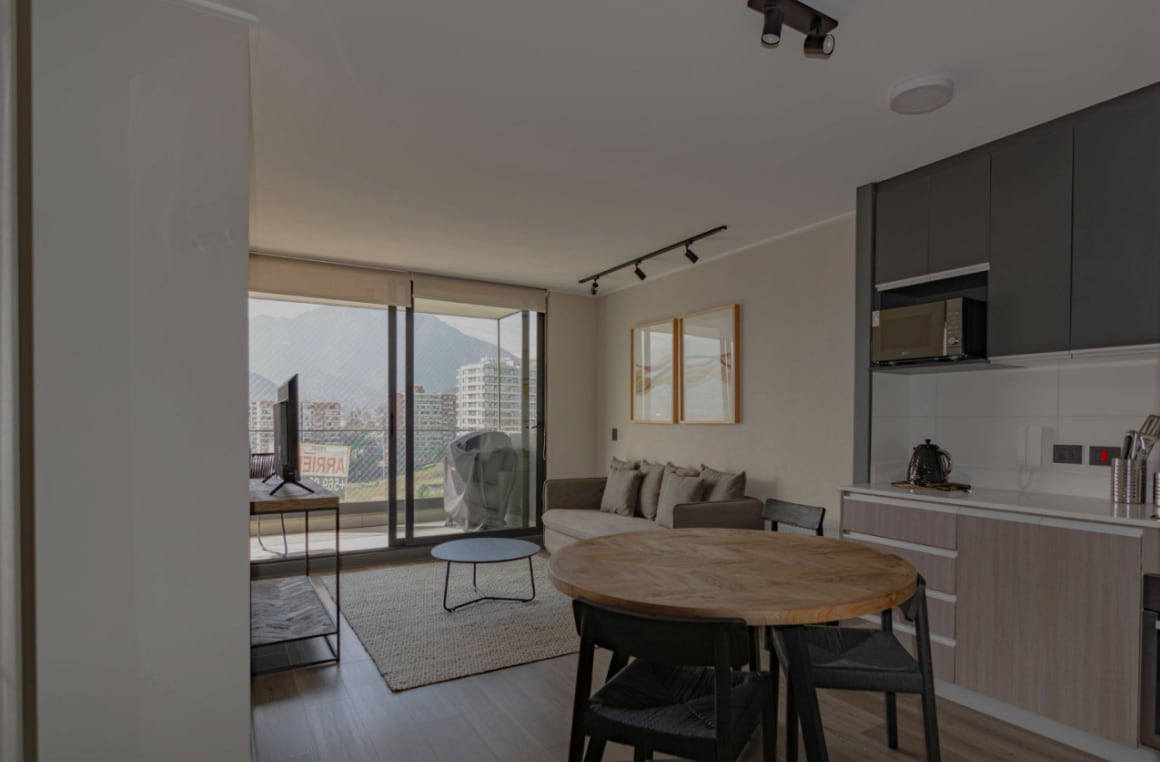
Why Living Rooms Are Becoming Workspaces
Remote and hybrid working have changed how many homes are used. For those without a dedicated study, the living room often becomes the most practical place to work. It typically offers the best natural light, enough space for essential furniture, and flexibility throughout the day.
This shift can feel challenging. Living rooms are traditionally associated with rest and social time, while work requires focus and structure. Without careful planning, combining the two can lead to discomfort, visual clutter, and difficulty switching off at the end of the day.
A successful shared space is not about squeezing in office furniture. It is about designing the room so that both work and relaxation feel intentional and supported.
Creating Clear Zones Within One Room
One of the most effective ways to combine a home office and a living room is through zoning. Clear zones help the room feel organised and reduce mental overlap between work and leisure.
Positioning the workspace near a window often works well, as natural light supports concentration and visually separates the desk from the rest of the room. Rugs, shelving units, or floor lamps can help define different areas without closing the space off.
Guidance from the UK’s Health and Safety Executive highlights that clearly defined work areas support better posture and concentration, even in home environments. Applying these principles in a shared living room can reduce physical strain and make long working sessions more comfortable. --altImgStart--{"link":"https://s3.springbeetle.eu/dev-de-s3-flexispot/commodity/item/Screenshot%202025-11-03%20103207L7_20260216_be3Y8z9L.png","alt":"Adjustable Ergonomic Chair with Pressure Relief Cushion (C7 Max)"}--altImgEnd--
Choosing Furniture That Supports Work and Living
Selecting a Desk That Fits the Space
A desk placed in a living room should feel considered rather than temporary. Large, bulky office desks can dominate the room and disrupt its balance.
A standing desk offers a practical solution. As a standing desk allows movement between seated and upright positions, it supports healthier working habits while remaining compact. Designs with simple lines and neutral finishes blend easily with living room furniture rather than standing apart from it.
Flexibility matters in shared spaces. A desk that adapts throughout the day helps the room shift smoothly between work and leisure.
Why an Ergonomic Chair Is Still Important
Comfort should never be sacrificed for aesthetics. Sitting on a sofa or dining chair for extended periods can lead to fatigue and poor posture.
An ergonomic chair is designed to support the back, shoulders, and neck during desk-based work. Choosing an ergonomic chair with a restrained profile and neutral colour palette allows it to sit comfortably within a living room without looking out of place.
The National Health Service notes that proper seating and posture play an important role in preventing back and neck pain, particularly for people who work at screens regularly. In a shared space, supportive seating becomes essential for long-term comfort. --altImgStart--{"link":"Swivel and Rocker Recliner with Sturdy Metal Base (Lotus)","alt":"Swivel and Rocker Recliner with Sturdy Metal Base (Lotus)"}--altImgEnd--
Maintaining Comfort in the Living Area
Preserving the Role of Relaxation
Introducing a workspace should not mean losing the comfort of the living room. Maintaining clear separation between work furniture and relaxation furniture helps protect the room’s original purpose.
A thoughtfully positioned recliner chair can help achieve this balance. A recliner chair provides adjustable support for reading, resting, or watching television, and it reinforces the living room as a place to unwind.
Placing the recliner away from the desk area helps create a psychological distinction between working hours and personal time. --altImgStart--{"link":"https://s3.springbeetle.eu/dev-de-s3-flexispot/commodity/item/cb10-boli-banner-pc_20260216_OO8Ml43x.jpg","alt":"Colourful Cabinet with Glass Doors (Tulip)"}--altImgEnd--
Managing Visual Clutter and Storage
Visual clutter is one of the main challenges in combined spaces. When work items remain visible, it becomes harder to relax, even after the working day has ended.
Closed storage is especially useful in shared rooms. Drawers, cabinets, or shelving that match existing finishes help keep the workspace visually quiet. When laptops, paperwork, and cables can be put away easily, the room quickly returns to its living function.
Consistency in colour and material also contributes to visual harmony. Repeating tones across work and living furniture helps the space feel cohesive rather than divided.
Supporting Wellbeing in a Shared Environment
Working and relaxing in the same room can blur mental boundaries. Simple routines can help restore balance. Closing a laptop, switching off work lighting, or repositioning a chair at the end of the day signals that work time has finished.
Environmental factors such as lighting, posture, and movement all influence comfort. A well-planned layout allows the living room to support both productivity and recovery without constant adjustment.
A space that adapts to changing needs is often more successful than one that is rigidly defined.
Final Thoughts
Combining a home office and living room does not require sacrificing comfort or style. With clear zoning, supportive furniture, and careful attention to visual balance, one room can serve multiple purposes effectively.
Rather than treating the workspace as an intrusion, integrating it thoughtfully allows the living room to evolve alongside modern routines. When each element earns its place, the space feels calm, functional, and genuinely comfortable to live in.
Over time, the most successful shared spaces are those that feel responsive rather than fixed. As routines shift and needs change, a living room that can quietly adapt will remain comfortable and practical. Small adjustments, whether in furniture placement, lighting, or daily habits, allow the space to support work without becoming defined by it. When a room continues to feel welcoming outside of working hours, it reinforces the idea that productivity and comfort do not need to compete. Thoughtful design makes it possible for both to coexist naturally.


_20260602_cc9a7609.png)


