

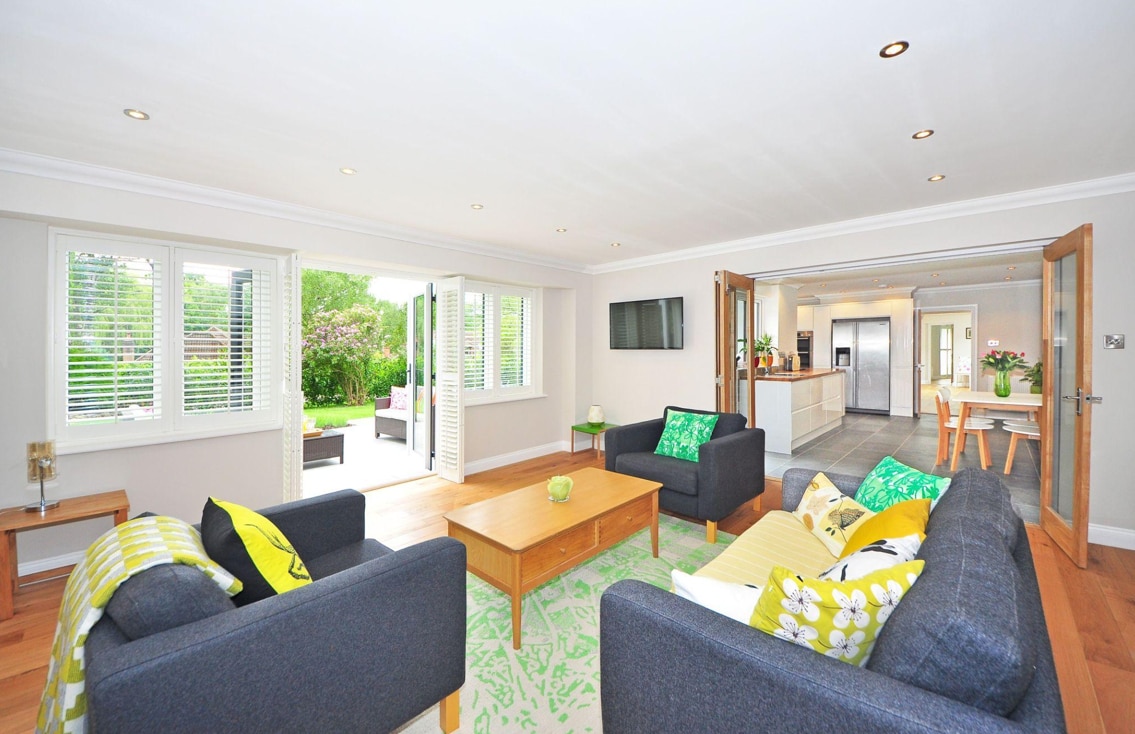
Colour is one of the quickest ways to change how a living room looks and feels. A different wall shade, rug or set of cushions can make the same space appear calmer, warmer, brighter or more dramatic without requiring a complete renovation.
However, colour does not produce exactly the same response in everyone. Personal memories, culture, lighting and the surrounding furniture can all influence how a shade is perceived. A systematic review of research connecting colour with emotion found recurring associations, but also showed that context and individual differences matter.
The best living room colour scheme is therefore not based on rigid psychological rules. It should reflect how the room is used, how much natural light it receives and the atmosphere you want to create.
Begin With the Purpose of the Room
Before choosing paint or furniture, think about what usually happens in the space.
Decide how you want the room to feel.
A living room used mainly for reading and relaxing may benefit from soft, low-contrast colours. A room designed for entertaining can comfortably handle stronger shades, patterns and visual contrast.
Ask yourself whether you want the space to feel:
- Calm and understated
- Warm and sociable
- Fresh and contemporary
- Energetic and expressive
This gives the colour palette a practical direction rather than choosing shades individually and hoping they work together.
Consider natural and artificial light
Colour changes throughout the day. A pale grey may appear cool in a north-facing room but warmer under evening lamps. Dark shades can feel rich and inviting in one room while making another seem enclosed.
Research into colour and lighting in interior environments shows that light temperature and brightness affect how warm, cool and vivid colours appear. Always test paint samples on more than one wall and observe them during the morning, afternoon and evening.
--altImgStart--{"link":"https://s3.springbeetle.eu/prod-eu-s3/commodity/item/Screenshot%202026-06-30%20144133_20260702_PKd8f6Xg.png"}--altImgEnd--
Neutral Tones Create a Calm and Spacious Feeling
Neutral colours include white, cream, beige, taupe, grey and soft earth tones. They are often chosen because they feel adaptable and allow furniture or artwork to become the focal point.
Use pale neutrals to open the space
Lighter shades reflect more available light and can make the boundaries of a room feel less prominent. This is particularly useful in smaller living rooms or spaces with limited natural light.
Pure white can sometimes feel stark, so consider warmer alternatives such as ivory, chalk, oatmeal or pale greige. These shades maintain brightness while creating a softer atmosphere.
Add depth through texture
A neutral room does not need to feel plain. Layering materials creates visual interest without introducing strong colour.
Try combining:
- Linen curtains
- Wool or woven rugs
- Natural wood
- Bouclé or velvet cushions
- Ceramic and stone accessories
Different textures prevent beige, white or grey schemes from appearing flat.
Watch the undertones
Every neutral has an undertone. Some greys lean blue, while others contain brown, green or violet. Beige may appear golden, pink or muted depending on the light.
Place samples beside the sofa, flooring and curtains before committing. A neutral that works beautifully in a showroom may clash with the fixed finishes already present in your home.
--altImgStart--{"link":"https://s3.springbeetle.eu/prod-eu-s3/commodity/item/Screenshot%202026-06-30%20144245_20260702_0JhMoUyu.png"}--altImgEnd--
Warm Tones Make a Living Room Feel Inviting
Warm colours include red, orange, terracotta, ochre, mustard and warm pink. They are often associated with energy, warmth and sociability.
Choose earthy shades for comfort
Terracotta, rust and muted ochre can create a grounded and welcoming living room without feeling overpowering. These colours work particularly well with natural wood, cream upholstery and warm metallic finishes.
Rather than covering every wall, consider using a warm shade behind the sofa or fireplace. This creates a focal point while keeping the rest of the room balanced.
Use stronger shades carefully
Bright red or orange can bring energy to a room, but large areas may become visually intense. Strong warm colours often work best as accents through cushions, artwork, throws or an occasional chair.
A study comparing different interior colour schemes in living rooms found that room colour influenced mood and preference, although responses varied between participants. This supports using personal comfort, rather than universal rules, as the final guide.
Balance warmth with quieter elements
If the room includes a deep red wall or burnt-orange sofa, add calmer shades such as cream, warm grey or soft brown. These quieter colours give the eye somewhere to rest and prevent the design from feeling too busy.
--altImgStart--{"link":"https://s3.springbeetle.eu/prod-eu-s3/commodity/item/image_20260630_q8NxScgs.png"}--altImgEnd--
Cool Tones Create a Fresh and Modern Look
Cool colours include blue, green, teal and violet. Depending on their depth and saturation, they can make a room feel restful, elegant or contemporary.
Try blue for a composed atmosphere
Soft blue can create an airy appearance, while navy introduces depth and sophistication. Darker blue works particularly well with pale wood, white trim and brass details.
In rooms with little sunlight, blue may feel colder than expected. Warm lighting and natural textures can soften the effect.
Bring nature indoors with green
Green is highly versatile because it sits comfortably beside wood, stone, cream and many neutral shades. Sage and olive create a relaxed, natural look, while emerald or forest green feels richer and more dramatic.
Plants can reinforce the palette and add texture without requiring more painted colour.
Avoid making the room feel cold
Cool colours can become uninviting when combined only with hard surfaces and bright white lighting. Add warm timber, woven fabrics, soft rugs or cream accessories to create balance.
--altImgStart--{"link":"https://s3.springbeetle.eu/prod-eu-s3/commodity/item/pexels-artbovich-7147370_20260702_9DCloAuq.jpg"}--altImgEnd--
Accent Colours Add Energy and Contrast
An accent colour is used in smaller amounts to create focus and prevent a room from appearing overly uniform.
Follow a simple distribution
A useful starting point is to choose one dominant colour, one supporting colour and one accent. The dominant shade usually covers walls or large furniture, while the accent appears through smaller accessories.
The proportions do not need to be exact. The purpose is simply to stop several bold colours from competing equally for attention.
Repeat the accent around the room
Use the accent colour in two or three locations, such as artwork, cushions and a vase. Repetition makes the choice feel intentional and connects different parts of the room.
Use contrast to highlight features
A contrasting colour can draw attention to a fireplace, reading corner or statement chair. It can also give older furniture a more contemporary appearance.
For a subtle result, choose nearby shades such as blue and green. For stronger contrast, pair colours from opposite areas of the colour wheel, such as blue and orange.
Test the Scheme Before Committing
Start with movable items
If you are unsure about a bold colour, introduce it through cushions, throws, lamps or artwork first. These items are easier and less expensive to replace than flooring or a large sofa.
View samples in the actual room
Paint a large sample area or use removable sample sheets. Small colour cards rarely show how a shade will behave across an entire wall.
Consider the adjoining spaces
A living room does not exist in isolation. Look through doorways and consider whether its palette flows naturally into the hallway, kitchen or dining area.
Final Thoughts
Colour can transform a living room by changing its mood, visual balance and sense of space. Pale neutrals can create an open and peaceful foundation, warm tones can make the room feel welcoming, and cool shades can introduce freshness and calm. Accent colours then provide energy and personality.
Rather than following colour psychology as a strict formula, use it as a starting point. Consider the room’s light, function, existing furniture and your own emotional response to each shade.
The most successful living room colour scheme is not simply fashionable. It is one that feels comfortable, coherent and suited to the way you actually live.


_20260602_cc9a7609.png)


