

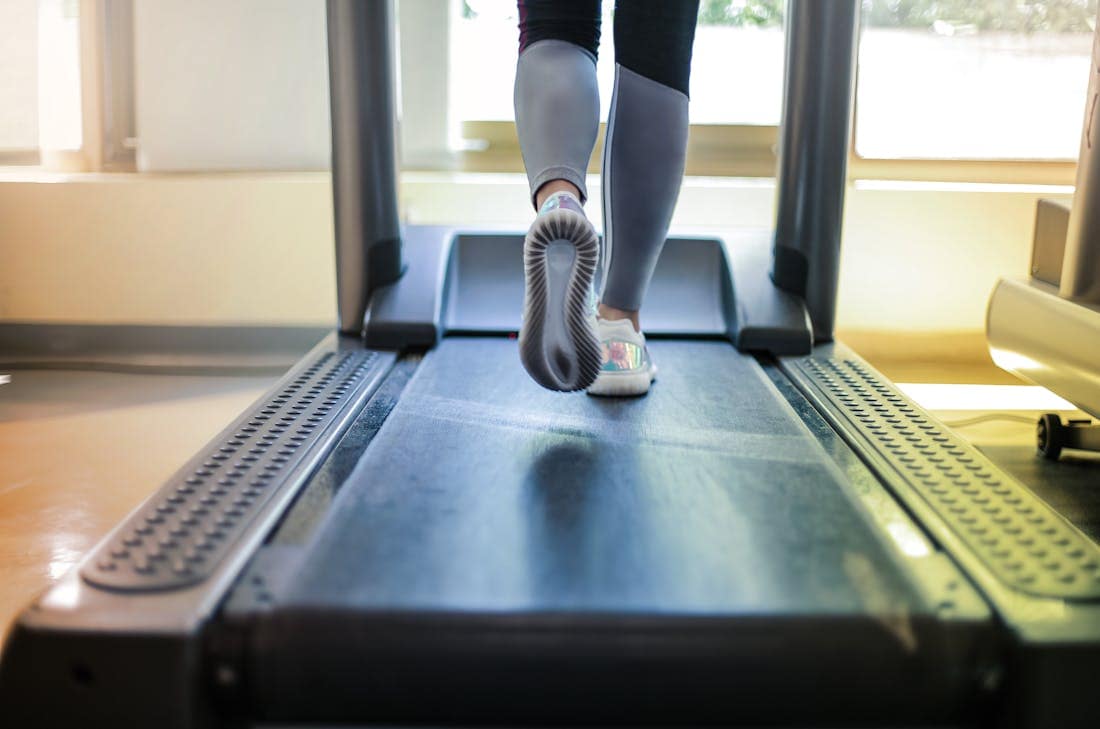
As home working and compact living spaces become more common, walking pads have emerged as a practical alternative to traditional treadmills. Designed to fit neatly under desks or be stored away when not in use, they offer a way to stay active without dedicating an entire room to fitness equipment.
Their popularity is easy to understand. Walking pads make movement more accessible during the workday, encouraging gentle activity that can counter long periods of sitting. However, as their use becomes more widespread, a common question arises: can you actually run on a walking pad, or are they strictly for walking?
The answer depends on how walking pads are designed, how they differ from treadmills, and what level of activity they are intended to support.
What Is a Walking Pad?
A walking pad is a compact, low-profile treadmill designed primarily for walking rather than running. Unlike traditional treadmills, walking pads typically have:
- A slimmer deck
- Smaller motor
- Lower maximum speeds
- Minimal or no handrails
Many are designed specifically for use under a desk, allowing users to walk at a steady pace while working. This makes them particularly popular in home offices and shared living spaces.
The aim is not high-intensity training, but consistent, low-impact movement integrated into daily routines.
Walking Pads vs Traditional Treadmills
Key Design Differences
Traditional treadmills are built to support running. They feature larger motors, longer running decks, higher speed ranges, and shock absorption systems designed to handle repeated impact.
Walking pads, by contrast, prioritise compactness and quiet operation. Their motors are optimised for walking speeds, and the deck length is often shorter. These design choices make them more suitable for light activity but also introduce limitations.
Stability and Safety Considerations
Running requires greater stride length, higher impact absorption, and more stability. On a walking pad, the shorter deck and lower maximum speed can make running feel constrained or unsafe, particularly at faster paces.
According to guidance from the American Council on Exercise, running safely requires adequate space, cushioning, and speed control to reduce injury risk — features that may be limited on walking-focused equipment. --altImgStart--{"link":"https://s3.springbeetle.eu/dev-de-s3-flexispot/commodity/item/Screenshot%202026-02-03%20140400_20260210_5WyQZyTJ.png","alt":"MotionX Under Desk Treadmill (MotionX), 180° Foldable Walking Pad with Brushless Motor (PortaGo)"}--altImgEnd--
So, Can You Run on a Walking Pad?
The Short Answer: With Caution
Some walking pads can support very light jogging, depending on the model and speed capacity. However, they are not designed for sustained running or high-intensity workouts.
Attempting to run at higher speeds on a walking pad can place strain on the motor, reduce stability, and increase the risk of slips or missteps. For most users, walking pads are best suited to brisk walking rather than running.
Matching Expectations to Design
If your goal is daily movement, step count, or gentle cardio during work hours, a walking pad is an effective solution. If your goal is regular running sessions, a traditional treadmill is generally the safer and more appropriate choice.
--altImgStart--{"link":"https://s3.springbeetle.eu/dev-de-s3-flexispot/commodity/item/image_20260210_865Z0lVZ.png","alt":"MotionX Under Desk Treadmill (MotionX), 180° Foldable Walking Pad with Brushless Motor (PortaGo)"}--altImgEnd--
Tips for Using a Walking Pad Safely
Start Slow and Stay Controlled
Begin at a comfortable walking pace and increase speed gradually. Avoid sudden changes that could affect balance, especially if the walking pad is being used under a desk.
Pay Attention to Posture
Walking while working can encourage poor posture if not managed carefully. Keeping the screen at eye level and maintaining a neutral spine helps reduce strain on the neck and shoulders.
The UK’s Health and Safety Executive emphasises posture awareness and regular movement as key factors in reducing musculoskeletal discomfort during desk-based work.
Know When to Stop
If the walking pad feels unstable at higher speeds, that is a clear signal to slow down. Pushing equipment beyond its intended use increases the risk of injury and reduces product lifespan.
Walking Pads Designed for Everyday Movement
For those looking to integrate walking into their daily routine, purpose-built walking pads offer a balanced solution. The FlexiSpot under-desk treadmill GP01B is designed for steady walking during work hours, combining a slim profile with quiet operation for home or office environments.
For users who want flexibility between walking sessions and easy storage, the FlexiSpot foldable walking pad Portago provides a compact design that can be folded away when not in use, making it suitable for smaller spaces. --altImgStart--{"link":"https://s3.springbeetle.eu/dev-de-s3-flexispot/commodity/item/Screenshot%202026-01-26%20155155_20260210_GDtXhbcS.png","alt":"MotionX Under Desk Treadmill (MotionX), 180° Foldable Walking Pad with Brushless Motor (PortaGo)"}--altImgEnd--
--shopstart--{"id":1034003,"link":1034003,"name":"MotionX Under Desk Treadmill","shortName":"MotionX","url":"//s3.springbeetle.eu/prod-eu-s3/trantor/attachments/UK/GP01.png","itemFootMarkType":"CUSTOMIZE","itemFootMarkInput":"Sale"}--shopend--
--shopstart--{"id":1438001,"link":1438001,"name":"180° Foldable Walking Pad with Brushless Motor","shortName":"PortaGo","url":"https://s3.springbeetle.eu/dev-de-s3-flexispot/commodity/item/1028_file_PortaGofront.png","itemFootMarkType":"NEW"}--shopend--
Both models are intended to support consistent, low-impact movement rather than running, aligning with recommendations from public health bodies that encourage regular activity throughout the day.
The NHS notes that even moderate physical activity, such as walking, can contribute positively to cardiovascular health and overall wellbeing when done consistently.
Choosing the Right Equipment for Your Goals
When deciding between a walking pad and a treadmill, the key question is how you plan to use it. Walking pads are ideal for:
- Increasing daily step count
- Reducing sedentary time
- Supporting gentle movement while working
They are less suitable for:
- Sprinting or interval training
- Long-distance running
- High-impact workouts
Being honest about your goals helps ensure both safety and satisfaction.
Final Thoughts
Walking pads are not designed to replace traditional treadmills for running, but they excel at what they are built for: integrating movement into everyday life. While light jogging may be possible on some models, sustained running is generally not recommended.
Used as intended, a walking pad can be a valuable tool for staying active, supporting wellbeing, and reducing the strain of prolonged sitting, one step at a time.


_20260602_cc9a7609.png)


