


Why Spring Cleaning Matters
Spring cleaning is more than a tradition; it’s an opportunity to reset your living space after months of winter use. Dust, clutter, and stale air can build up over time, affecting both comfort and well-being. A thorough seasonal clean helps improve indoor air quality, restores order, and makes everyday routines feel easier.
From a practical perspective, spring is ideal for deep cleaning. Warmer weather allows for ventilation, drying, and tackling areas that are often neglected during colder months.
How to Plan a Systematic Spring Clean
Create a Realistic Cleaning Schedule
A successful spring clean starts with planning. Rather than trying to do everything in one day, break tasks into manageable sections and spread them across a week or two. This approach reduces overwhelm and improves consistency.
Prioritise high-traffic areas first, then move on to storage spaces and seasonal tasks.
Gather Supplies Before You Start
Having all cleaning supplies ready prevents interruptions. Microfibre cloths, all-purpose cleaner, bicarbonate of soda, vinegar, gloves, and bin bags cover most tasks efficiently.
The NHS recommends using cleaning products safely and ensuring good ventilation during household cleaning.
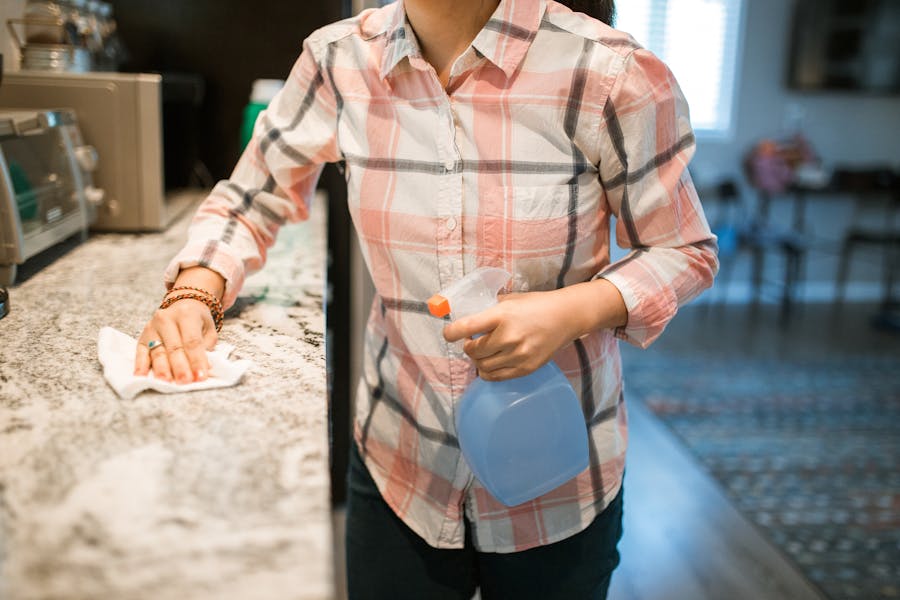
Comprehensive Spring Cleaning Tasks
Kitchen: Appliances, Cabinets, and Pantry
● Clean inside the fridge and freezer
● Wipe down cupboard interiors and handles
● Descale kettles and coffee machines
● Declutter pantry items and check expiry dates
Focus on areas where grease and food residue build up, as these affect hygiene the most.
Bathroom: Tiles, Fixtures, and Drains
● Scrub tiles and grout
● Clean showerheads and taps
● Clear drains to prevent odours
● Wash shower curtains and bath mats
Bathrooms benefit greatly from deep cleaning due to moisture and bacteria exposure.
Living Areas and Bedrooms
● Vacuum and mop floors
● Clean upholstery and cushions
● Dust shelves, skirting boards, and light fixtures
● Wash curtains and throws
Opening windows during cleaning helps remove dust and refresh the air.
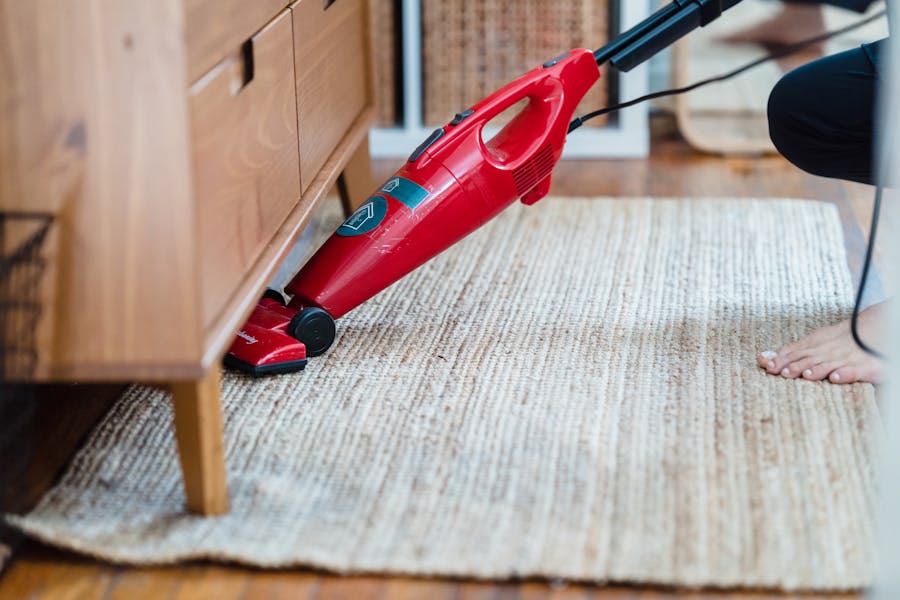
Storage and Closets: Declutter and Organise
Spring cleaning is an ideal time to declutter. Remove items you no longer use and consider donating or recycling where possible.
A helpful rule: if you haven’t used something in the past year, it may not need to stay. The UK charity Mind notes that decluttering can reduce stress and improve focus by creating calmer environments.
Outdoor Spaces: Gardens, Patios, and Windows
● Clean windows inside and out
● Sweep patios and balconies
● Remove debris from gutters
● Refresh outdoor furniture
Even small outdoor areas benefit from seasonal attention, improving both appearance and usability.
Special Seasonal Tasks
➔ Clean air vents and extractor fans
➔ Dust radiators and behind furniture
➔ Shampoo carpets or deep-clean rugs
These tasks improve air circulation and reduce allergens—especially helpful during allergy season.
Step-by-Step Spring Cleaning Guide
1. Declutter first to make cleaning easier
2. Work top-to-bottom in each room
3. Use appropriate cleaners for surfaces
4. Allow ventilation while cleaning
5. Finish with floors and final touches
This order prevents re-cleaning and saves time.
Practical Spring Cleaning Tips and Tricks
● Use natural cleaners like vinegar and baking soda
● Wash windows on cloudy days to avoid streaks
● Set a timer to stay focused
● Clean one room fully before moving on
Small efficiencies make a big difference when tackling multiple spaces.
FAQ: Spring Cleaning Questions Answered
● When Should You Start Spring Cleaning?
Early spring is ideal, once temperatures rise enough to allow ventilation.
● What Does Sustainable Spring Cleaning Look Like?
Using reusable cloths, eco-friendly cleaners, and minimising waste.
● How Can You Clean in an Energy-Efficient Way?
Wash at lower temperatures, air-dry fabrics, and clean during daylight hours.
● How Can You Reduce Water Use While Cleaning?
Use spray bottles instead of running taps and reuse rinse water where safe.
The Energy Saving Trust highlights that small household changes can significantly reduce water and energy use over time.
Conclusion: A Cleaner Home, a Clearer Mind
Spring cleaning doesn’t have to be exhausting or overwhelming. With a clear plan, realistic pacing, and smart techniques, it becomes a manageable process with lasting benefits.
A clean, organised home supports comfort, focus, and wellbeing long after spring has passed. By approaching seasonal cleaning thoughtfully, and sustainably, you create a space that feels lighter, healthier, and easier to enjoy every day.


_20260602_cc9a7609.png)


