

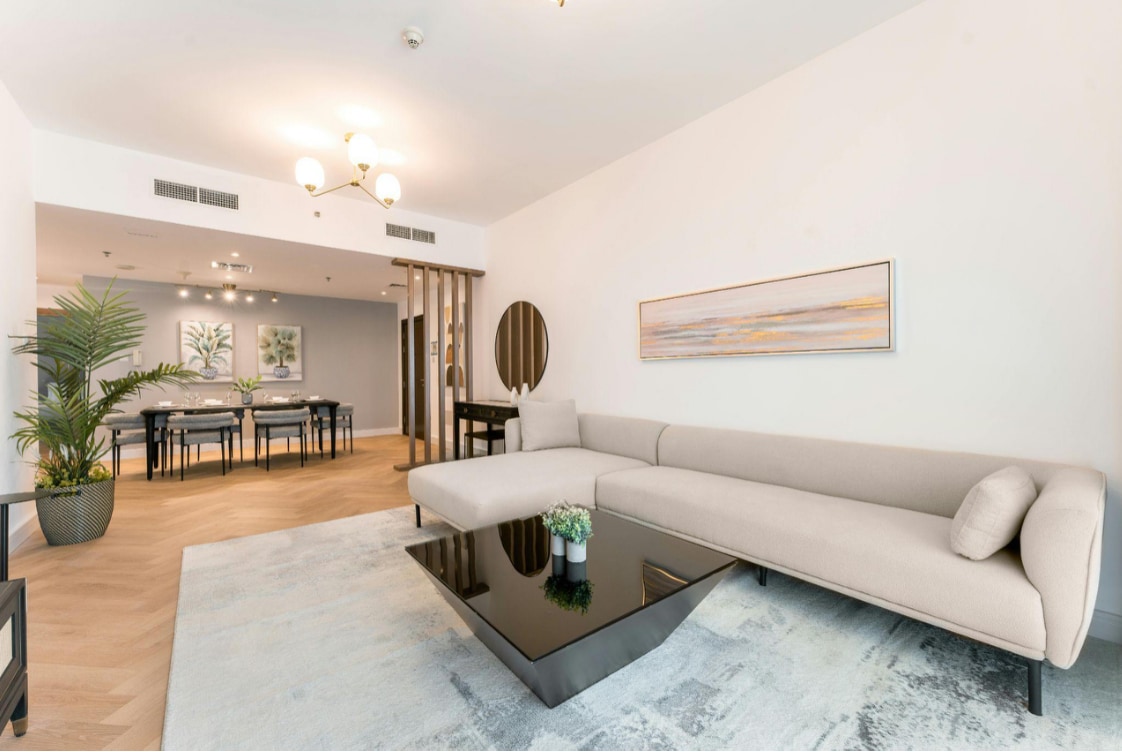
Creating a spacious living room is not always about having more square footage.
In many modern homes and apartments, space needs to serve multiple purposes throughout the day. A living room may also function as a workspace, dining area, or family activity space. The challenge is making everything feel practical without creating clutter or sacrificing comfort.
The good news is that thoughtful layouts and multifunctional furniture can make even compact spaces feel more open and adaptable. With the right approach, a smaller living room can become one of the most versatile areas in the home.
Start With a Flexible Layout
A room that feels spacious usually has a layout that allows movement and adaptability.
1. Avoid overcrowding
Too much furniture can quickly make a room feel smaller. Focus on pieces that serve a purpose rather than filling empty space unnecessarily.
2. Create defined zones
Even in compact homes, dividing the room into functional zones can improve flow.
For example:
● A seating area for relaxing
● A workspace for remote work
● A dining or activity area
This makes the room feel more organised and easier to use throughout the day.
3. Keep walkways open
Leaving enough space to move comfortably around furniture helps the room feel less restrictive and more balanced.
Use Multifunctional Furniture
Multifunctional furniture is one of the most effective ways to maximise space.
1. Storage-focused pieces
Furniture with built-in storage helps reduce visible clutter.
Examples include:
● Coffee tables with storage compartments
● Benches with hidden storage
● Modular shelving units
2. Foldable or movable furniture
Items that can be moved or adjusted easily provide more flexibility depending on the activity.
3. Furniture that adapts throughout the day
Modern homes often require furniture that supports different routines without needing separate rooms.
A Smart Multi-Purpose Centrepiece
One increasingly popular solution is using a height-adjustable table as the centrepiece of the room.
Rather than having separate furniture for every activity, one table can adapt throughout the day depending on your needs.
● A dining table for family meals
At meal times, the table functions as a comfortable dining space for family gatherings or everyday use.
● A workstation for remote work
During work hours, the same setup can become a productive home office. Adjustable height helps improve comfort and supports healthier posture during longer periods of sitting.
According to the Health and Safety Executive, changing positions regularly while working can help reduce discomfort linked to prolonged sitting.
● A craft or activity table for children
A flexible table setup also works well for hobbies, creative projects, or children's activities without requiring extra furniture.
● A shared space for everyday living
Instead of dedicating separate rooms to separate purposes, one adaptable space becomes more efficient overall.
Why Four-Leg Standing Desks Work Well in Living Rooms
A four-leg standing desk offers a more stable and furniture-like appearance compared to traditional office desks.
The E7 Plus 4-Leg Standing Desk is a good example of how this type of design can integrate naturally into a modern living space.
Because of its four-leg structure, it feels visually balanced and works well as both a dining-style table and a workstation. The adjustable height also makes it easier to transition between activities throughout the day.
--altImgStart--{"link":"https://s3.springbeetle.top/prod-common-bucket/commodity/item/bureau-e7%20plus-sence-4-new_20260528_V1vwCtiZ.png","alt":"Premium 4-Leg Standing Desk (E7 Plus)"}--altImgEnd--
--shopstart--{"id":852003,"link":852003,"name":"Premium 4-Leg Standing Desk","shortName":"E7 Plus","url":"//s3.springbeetle.eu/prod-eu-s3/trantor/attachments/UK/ET213Q-E5Q-Main..png","itemFootMarkType":"CUSTOMIZE","itemFootMarkInput":"Extra 8% off"}--shopend--
This flexibility is particularly useful in smaller homes where one room often needs to support multiple routines.
Make the Room Feel Larger Visually
1. Use lighter colours
Lighter tones reflect more natural light and help create a more open feeling. Soft neutrals, warm whites, and light wood finishes can make a compact room appear brighter and less enclosed without making it feel overly minimal.
2. Prioritise natural light
Keeping windows unobstructed can make a noticeable difference to how spacious a room feels. Heavy curtains or bulky furniture placed near windows often reduce brightness and make the space feel more closed in.
According to Better Health Channel, natural light also contributes positively to mood and wellbeing indoors.
3. Use mirrors strategically
Mirrors help reflect light and create the illusion of additional depth. Positioning a mirror opposite a window can increase brightness throughout the room and visually expand the space without requiring structural changes.
4. Reduce visible clutter
Open surfaces and organised storage make a room feel calmer and more spacious. Even smaller decorative choices, such as limiting unnecessary accessories or visible cables, can improve the overall sense of openness.
Smart Storage Solutions
Vertical storage
Using wall-mounted shelving helps free up floor space while still providing practical storage. Taller storage solutions also draw the eye upward, which can make ceilings feel higher and the room feel larger overall.
Hidden storage
Furniture with concealed storage compartments keeps items accessible without adding visual clutter. This is particularly useful in compact living rooms where everyday items can quickly make the space feel crowded.
Multi-use furniture
Furniture that serves more than one function reduces the need for additional pieces. Choosing adaptable furniture creates a cleaner layout and improves flexibility throughout the day.
Balancing Comfort and Functionality
Maximising space should not mean sacrificing comfort.
Choose furniture carefully
Large bulky pieces can overwhelm smaller rooms. Instead, focus on streamlined furniture with practical features that maintain comfort without dominating the space visually.
Keep the room adaptable
Flexible spaces tend to feel larger because they can change depending on daily needs. A room that easily transitions between work, dining, and relaxation often feels more functional and less restrictive.
Think long-term
A layout that supports work, relaxation, and family activities is more sustainable over time. Designing with flexibility in mind helps ensure the room continues to work well as routines and needs change. --altImgStart--{"link":"https://s3.springbeetle.top/prod-common-bucket/commodity/item/pexels-chaitaastic-1918291_20260528_EkZ2AMuQ.jpg"}--altImgEnd--
FAQ: Spacious Living Room Ideas
1. How can I make a small living room feel bigger?
Use lighter colours, reduce clutter, and choose multifunctional furniture.
2. What furniture works best in compact living rooms?
Flexible and multi-purpose furniture helps maximise space without overcrowding the room.
3. Can a standing desk work in a living room?
Yes. A four-leg standing desk can function as both a workstation and shared living space.
4. How do I combine work and living space effectively?
Create flexible zones and choose adaptable furniture that supports different activities.
Conclusion
A spacious living room is not necessarily about size. It is about how effectively the space is used.
With thoughtful layouts, multifunctional furniture, and flexible design choices, even compact homes can feel open and practical. Furniture that adapts throughout the day helps reduce clutter while making the room more useful overall.
Creating a space that supports relaxation, work, dining, and everyday living allows your home to feel more comfortable, organised, and functional without needing extra square footage.


_20260602_cc9a7609.png)


