


For many office workers, the biggest health question is no longer simply whether sitting is “bad”. The better question is how to move through the workday in a way that feels comfortable, realistic and sustainable.
Sitting, standing and walking all have a place in a healthy working routine. Sitting supports concentration and detailed tasks. Standing helps break up long sedentary periods. Walking adds gentle movement and can make the day feel less physically static.
The best option is not choosing one posture and staying there all day. It is learning when to sit, when to stand and when light walking can support your energy without disrupting productivity.
Why One Position Is Not Enough
The modern workday often encourages long periods in one place. Whether that position is seated or standing, staying still for too long can lead to stiffness, fatigue and discomfort.
Sitting supports focus but needs breaks
Sitting is still useful for deep work, writing, meetings, design tasks and anything that requires close attention. A supportive chair and well-arranged desk can make seated work comfortable.
The problem usually comes from sitting for hours without movement. The NHS physical activity guidelines for adults recommend regular activity throughout the week and reducing long periods of inactivity where possible.
A healthy workday does not need to remove sitting completely. Instead, sitting should be balanced with posture changes, standing intervals and short movement breaks.
Standing improves variation
Standing at a desk can help reduce the feeling of being locked into one position. It may feel particularly useful after lunch, during short calls or when reviewing light tasks.
However, standing all day is not the answer either. Prolonged standing can also cause tired legs, foot discomfort or lower-back strain. The goal is controlled variation rather than replacing one extreme with another.
Walking adds gentle movement
Walking while working is not suitable for every task, but it can work well for light duties such as reading, email checks, casual calls or planning.
A walking pad allows low-intensity movement without leaving the workspace. This can be helpful for people working from home who may otherwise spend most of the day sitting.
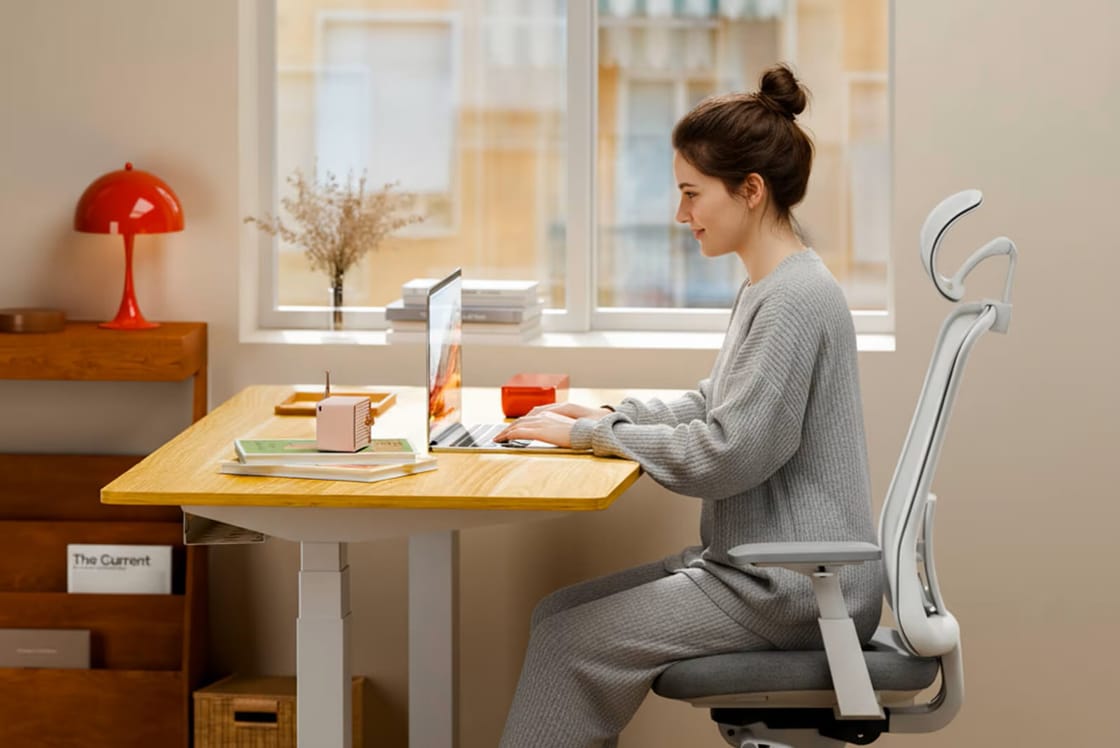
When Sitting Works Best
Sitting is often the most practical option for tasks that require precision and stability.
● Deep concentration
Writing reports, editing documents, working with spreadsheets or completing detailed creative tasks may feel easier while seated. Sitting gives the body a more stable base and allows the hands to work with greater accuracy.
● Video meetings
For formal meetings, sitting can help maintain a stable camera position and reduce distraction. It also allows the user to focus fully on the discussion rather than movement.
● Fine motor tasks
Tasks involving drawing, typing speed, technical work or close mouse control are usually better completed from a seated position.
To make sitting healthier, check that the feet are supported, the screen is easy to view, the back is supported and the shoulders remain relaxed. The Health and Safety Executive’s workstation posture guidance recommends adjusting the chair, screen and keyboard to support comfortable posture.
When Standing Works Best
Standing can be helpful when energy begins to dip or when a task does not require intense precision.
● Short calls and quick admin
Standing often works well for short phone calls, inbox checks and simple planning tasks. It can help refresh posture without fully interrupting the working flow.
● Reading and reviewing
Standing may also suit document review, light research or checking a presentation. These tasks allow more natural movement than focused typing.
● Breaking up the afternoon slump
Many people feel less alert after lunch. Switching to standing for 20 to 30 minutes may help create a sense of reset.
A height-adjustable desk makes this easier because the work surface can move with the user. The FlexiSpot E7 Pro height-adjustable desk is designed for users who want a more flexible sit-stand setup, allowing them to alternate between seated and standing work during the day.
A height-adjustable desk should be used as part of a varied routine. It is not about standing for the sake of standing, but about making posture changes easier and more natural.
--altImgStart--{"link":"https://s3.springbeetle.eu/prod-eu-s3/commodity/item/Screenshot%202026-07-20%20153035_20260824_GisWVxNE.png","alt":"Standing Desk with Enhanced Stability (E7 PRO)"}--altImgEnd--
When Walking Works Best
Walking while working should be gentle, controlled and matched to the right task.
● Low-intensity work
A walking pad is best for lighter activities such as reading emails, listening to webinars, taking informal calls or reviewing notes. It is less suitable for highly detailed typing, design work or tasks requiring total stillness.
● Reducing sedentary time
The World Health Organization notes that adults should limit sedentary time and replace it with physical activity where possible. Light walking during the workday can support this goal, especially for home workers with fewer natural movement breaks.
● Adding movement without leaving work
The FlexiSpot PortaGo walking pad is a practical option for people who want to add gentle activity to their home office. As a foldable walking pad, it can support active working without requiring a separate fitness space.
Walking speed should stay low enough that work remains comfortable. If walking starts to affect typing, concentration or posture, it is better to slow down or return to sitting or standing.
--altImgStart--{"link":"https://s3.springbeetle.eu/prod-eu-s3/commodity/item/Screenshot%202026-01-26%20155655_20260824_0Cpr7ETg.png","alt":"180° Foldable Walking Pad with Brushless Motor (PortaGo)"}--altImgEnd--
How to Build a Balanced Workday
The healthiest approach is usually a cycle of sitting, standing and walking.
➔ Start with simple intervals
You do not need a strict schedule. A practical routine might include sitting for focused work, standing for calls and walking during lighter admin tasks.
For example:
- Sit for deep work in the morning
- Stand during short meetings
- Walk slowly while checking emails
- Sit again for detailed tasks
- Take a proper break away from the desk
This type of structure keeps the body moving without making the workday feel complicated.
➔ Listen to physical feedback
If your feet ache, sit down. If your back feels stiff, stand or walk briefly. If walking distracts from work, return to a stable position.
Comfort is not about finding one perfect posture. It is about adjusting before discomfort becomes a problem.
➔ Keep ergonomics in mind
When sitting or standing, the screen should remain easy to view, the shoulders should stay relaxed and the keyboard should sit at a comfortable height. When walking, avoid leaning forwards or gripping the desk for balance.
--altImgStart--{"link":"https://s3.springbeetle.eu/prod-eu-s3/commodity/item/Screenshot%202026-08-24%20132451_20260824_kmFk89ow.png","alt":"180° Foldable Walking Pad with Brushless Motor (PortaGo), Standing Desk with Enhanced Stability (E7 PRO)"}--altImgEnd--
Final Thoughts
Sitting, standing and walking are not rivals. Each one supports a different part of the workday.
Sitting is best for focused, detailed tasks. Standing helps break up long sedentary periods and adds useful posture variation. Walking can support gentle activity during lighter work, especially for people working from home.
The best routine is one that combines all three in a realistic way. With a height-adjustable desk such as the E7 Pro and a walking pad such as PortaGo, it becomes easier to build movement into the day without sacrificing productivity. --shopstart--{"id":160001,"link":160001,"name":"Standing Desk with Enhanced Stability","shortName":"E7 PRO","url":"//s3.springbeetle.eu/prod-eu-s3/trantor/attachments/UK/ET223(IB)-HD-ZX -E7P-Main.png","itemFootMarkType":"CUSTOMIZE","itemFootMarkInput":"From £299.99 | Get a £180 discount"}--shopend-- --shopstart--{"id":1438001,"link":1438001,"name":"180° Foldable Walking Pad with Brushless Motor","shortName":"PortaGo","url":"https://s3.springbeetle.eu/dev-de-s3-flexispot/commodity/item/1028_file_PortaGofront.png","itemFootMarkType":"DISCOUNT","itemFootMarkInput":"Mid-Month Sale"}--shopend--
A healthier workday does not require constant exercise. It starts with small, regular changes in posture, movement and awareness.


_20260602_cc9a7609.png)


