

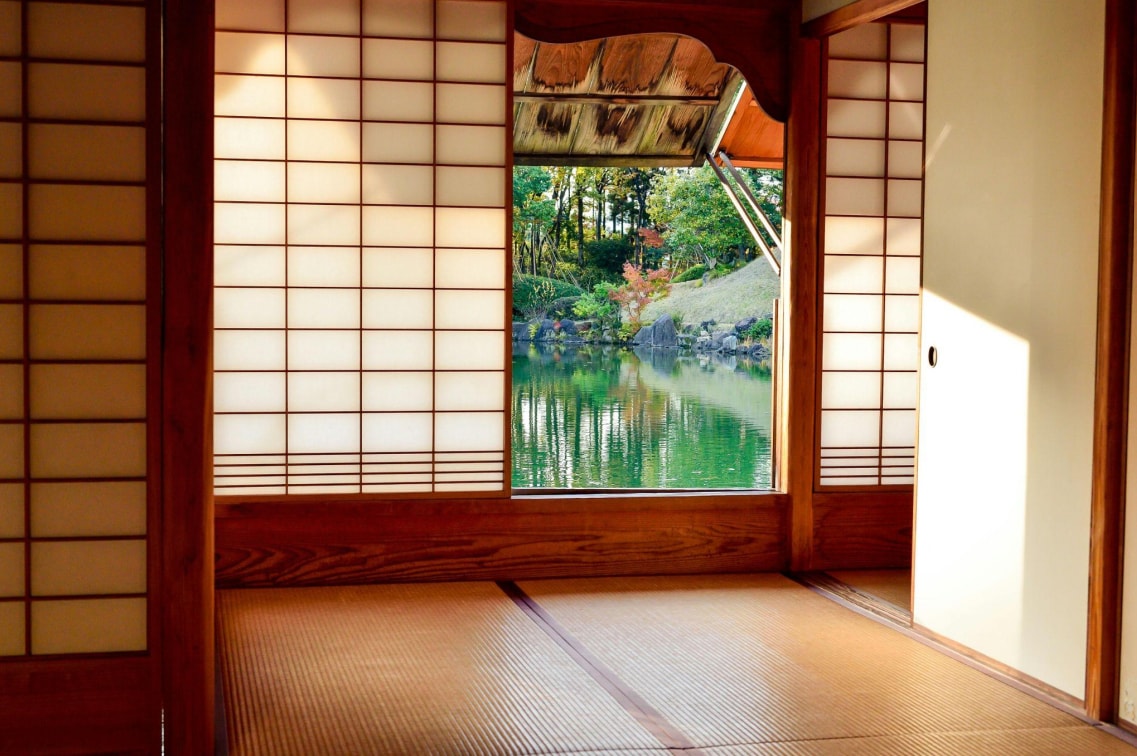
Interesting New Design Trends On the Rise
Interior trends come and go, but some styles endure because they respond to how people actually want to live. Japandi design is one of them. Blending the calm restraint of Japanese interiors with the warmth and practicality of Scandinavian design, Japandi creates spaces that feel grounded, functional, and quietly inviting.
Rather than focusing on decoration, Japandi prioritises balance between simplicity and comfort, craftsmanship and usability. In a world of visual noise and fast consumption, this approach offers a welcome pause.
What Is Japandi Design?
Japandi is a hybrid interior style that brings together two design philosophies with shared values. From Japan comes an appreciation for simplicity, craftsmanship, and negative space. From Scandinavia comes warmth, light, and an emphasis on everyday comfort.
Both traditions value:
● Quality over quantity
● Natural materials
● Functional, long-lasting furniture
Japandi interiors are typically uncluttered but never stark. They feel lived-in, human, and intentional, spaces designed to support daily routines rather than distract from them.
Core Principles of Japandi Style
Minimalism with Purpose
Japandi is not about removing everything until a room feels empty. Instead, it encourages thoughtful curation. Each object should earn its place, whether through function, craftsmanship, or emotional value.
This principle aligns with guidance from organisations such as the Danish Design Council, which emphasises functionality and longevity as foundations of good design.
Natural Materials and Honest Craft
Wood, bamboo, linen, wool, and ceramics are central to Japandi interiors. These materials age gracefully and bring texture into otherwise simple spaces. Visible joinery, grain patterns, and handcrafted details are welcomed rather than concealed. --altImgStart--{"link":"https://s3.springbeetle.eu/dev-de-s3-flexispot/commodity/item/Screenshot%202026-02-03%20160641_20260210_AksJNaj4.png","alt":"Solid Wood Bed Frame with Easy Assembly (Kana)"}--altImgEnd--
Calm, Lived-In Atmosphere
Japandi rooms are designed to feel calm without being cold. Soft textiles, warm lighting, and subtle contrasts help create spaces that are both restful and practical, suitable for everyday life, not just visual appeal.
How to Create a Japandi-Style Space
Choosing the Right Materials
Solid wood is the backbone of Japandi interiors. Light to medium wood tones work particularly well, offering warmth without heaviness. Bamboo, rattan, and natural fibres add variation while maintaining visual harmony.
Avoid overly glossy finishes or synthetic materials that interrupt the natural flow of the space.
Colour Palette and Light
Japandi colour palettes are restrained and neutral. Think soft greys, warm whites, muted earth tones, and natural wood finishes. Black is often used sparingly to add contrast and definition.
Natural light plays an important role. Window treatments are usually minimal, allowing daylight to shape the atmosphere of the room throughout the day.
Furniture That Supports Stillness
Furniture should feel grounded and stable, both visually and physically. Low-profile forms, clean lines, and visible craftsmanship contribute to a sense of calm. Pieces that creak, wobble, or feel disposable work against the Japandi ethos.
A Japandi Bedroom: Where Design Meets Rest
The bedroom is one of the clearest expressions of Japandi design. As a space dedicated to rest, it benefits from simplicity, natural materials, and visual quiet.
A solid wood bed frame becomes the anchor of the room. The Kana solid wood bed frame fits naturally within this context, combining Japanese joinery with Scandinavian clarity. Its tool-free assembly relies on interlocking wooden joints rather than metal fittings, reflecting traditional craftsmanship while remaining practical for modern homes. --altImgStart--{"link":"https://s3.springbeetle.eu/dev-de-s3-flexispot/commodity/item/BF210T-20251013-bannerImg-pcNew1.png","alt":"Solid Wood Bed Frame with Easy Assembly (Kana)"}--altImgEnd-- --shopstart--{"id":10010009,"link":10010009,"name":"Japandi Solid Wood Bed Frame","shortName":"Kana","url":"https://s3.springbeetle.eu/dev-de-s3-flexispot/commodity/item/1028_file_20251022-074841.542-4.png","itemFootMarkType":"NEW"}--shopend--
Made from 100% solid wood and certified by FSC, the frame uses upcycled rubberwood from trees at the end of their latex-producing lifecycle. This approach aligns with Japandi’s emphasis on sustainability and respect for materials. The 25cm under-bed clearance allows for airflow and discreet storage, supporting both hygiene and functionality.
Quiet, stable construction is another key consideration. By minimising movement and noise through snug joinery and secured slats, the bed supports a calmer sleep environment, an often overlooked aspect of good design.
Why Japandi Design Feels Timeless
Japandi interiors resist trends because they are rooted in values rather than aesthetics alone. By focusing on craftsmanship, sustainability, and usability, the style remains relevant even as tastes evolve.
Research from the Japanese Ministry of Land, Infrastructure, Transport and Tourism highlights the cultural importance of craftsmanship and material respect in traditional Japanese homes, principles that translate seamlessly into modern interiors.
Similarly, Scandinavian design traditions have long prioritised human-centred environments that support wellbeing and daily comfort, not visual excess.
Designing with Intention
Japandi is not about recreating a showroom or adhering to strict rules. It is about intentional choices, selecting fewer, better-made items that support a calm and functional lifestyle.
When materials are honest, forms are simple, and spaces are allowed to breathe, the result is an interior that feels quietly confident. Japandi design does not demand attention; it earns it through restraint and care.
Final Thoughts
Japandi design offers more than a visual style. It presents a way of thinking about space, materials, and daily life. By blending Japanese craftsmanship with Scandinavian warmth, it creates interiors that are calm, practical, and enduring.
In choosing solid materials, thoughtful furniture, and a restrained palette, Japandi reminds us that good design is not about adding more, but about choosing well.


_20260602_cc9a7609.png)


