

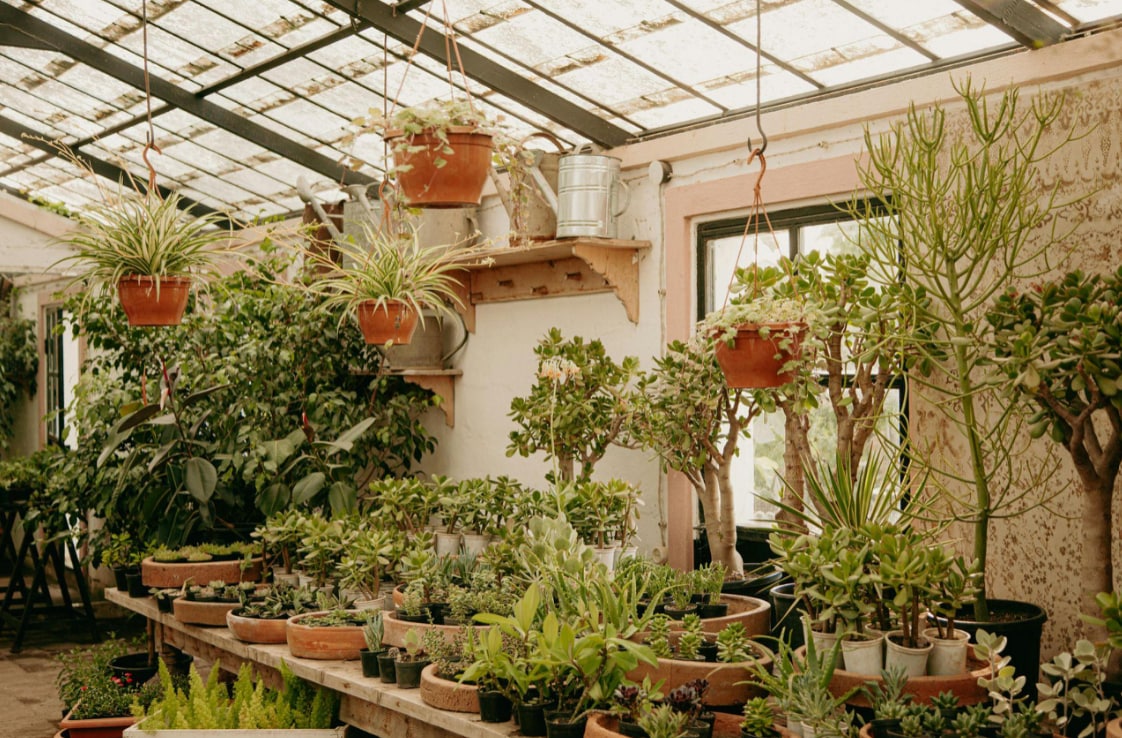
Why Indoor Plants Matter More Than Ever
Indoor plants have become a staple of modern homes—and for good reason. Beyond their decorative appeal, plants bring life into interior spaces, helping homes feel calmer, fresher, and more welcoming. As more people spend time indoors, especially working from home, creating a healthier living environment has become a priority.
Plants support wellbeing in subtle but meaningful ways. They soften hard surfaces, add natural texture, and create a stronger connection to nature, even in urban settings. When chosen thoughtfully, indoor plants can enhance both physical comfort and mental well-being without requiring major changes to your home.
The Benefits of Having Indoor Plants at Home
Improved Mood and Reduced Stress
Research consistently shows that being around plants can have a positive effect on mental well-being. According to Healthline, indoor plants may help reduce stress and promote a sense of calm by creating a more soothing environment.
Even small plants placed on desks, shelves, or side tables can make a noticeable difference in how a space feels.
Supporting a Healthier Indoor Environment
Plants naturally release moisture into the air and can help balance indoor humidity levels. This is especially helpful during colder months when heating systems dry out the air. While plants are not a substitute for ventilation, they contribute to a more comfortable indoor climate.
Enhancing Focus and Productivity
Greenery doesn’t just look good; it can also help with concentration. Studies highlighted by the Royal Horticultural Society suggest that plants in indoor spaces may improve focus and overall satisfaction with the environment.
This makes indoor plants particularly valuable in home offices and shared living areas.
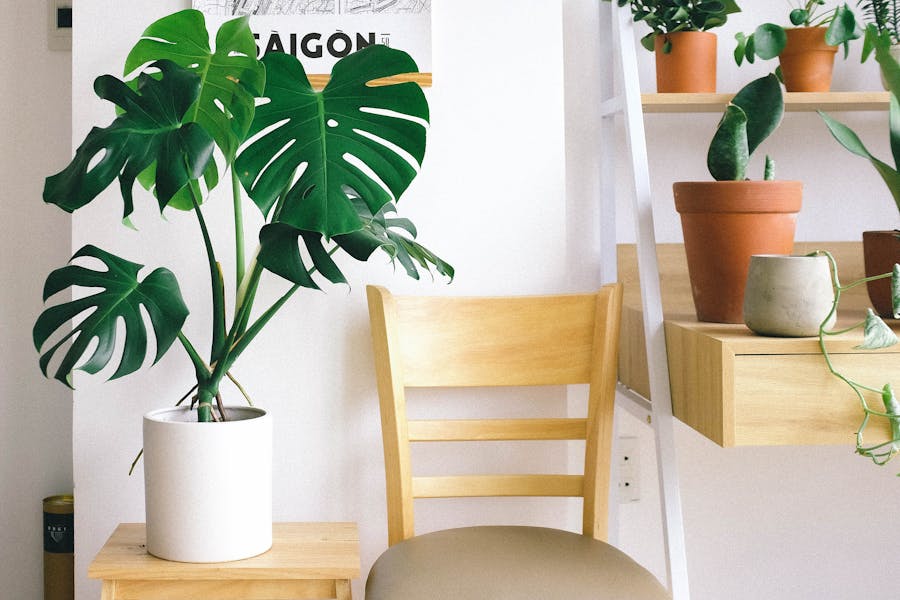
Choosing the Right Indoor Plants for Your Home
Not all plants thrive indoors. When selecting houseplants, it’s important to consider light, temperature, and how much time you can realistically devote to care.
Light Conditions
Some plants prefer bright, indirect light, while others tolerate low-light environments. Understanding where natural light enters your home helps prevent common issues like yellowing leaves or slow growth.
Maintenance Level
If you’re new to plant care, low-maintenance plants are a great starting point. They’re forgiving and adapt well to indoor conditions, making them ideal for busy households.
Best Indoor Plants for a Healthier Home
➔ Snake Plant (Sansevieria)
Snake plants are one of the most resilient houseplants available. They tolerate low light, need infrequent watering, and work well in bedrooms and living areas.
➔ Peace Lily
Peace lilies thrive in moderate light and offer elegant foliage with occasional blooms. They prefer consistently moist soil and can signal when they need watering by gently drooping.
➔ Spider Plant
Spider plants are easy to grow and well-suited to shelves or hanging planters. They adapt well to various light conditions and are ideal for households with pets.
➔ Pothos
Pothos plants are popular for their trailing vines and minimal care needs. They grow well in indirect light and can tolerate occasional missed watering.
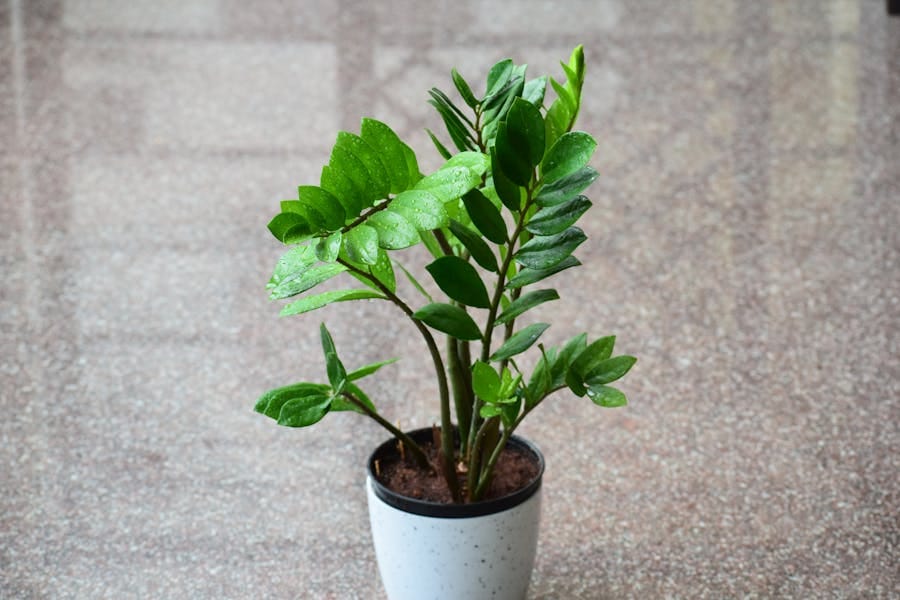
➔ ZZ Plant
The ZZ plant is perfect for low-light spaces and requires very little attention. Its glossy leaves add visual interest while remaining highly durable.
Practical Care Tips for Indoor Plants
Watering Wisely
Overwatering is one of the most common mistakes. Always check soil moisture before watering, and ensure pots have proper drainage to prevent root rot.
Keeping Leaves Clean
Dust can block sunlight from reaching leaves. Gently wiping leaves with a damp cloth helps plants photosynthesise more efficiently and keeps them looking healthy.
Choosing the Right Pot and Placement
Select pots that allow excess water to drain and place plants where they won’t be exposed to cold drafts or direct heat sources.
Creating a Plant-Friendly Home Setup
Indoor plants fit easily into everyday living spaces. Side tables, window sills, shelves, and corners of rooms are all ideal spots for greenery. Grouping plants together can also create a stronger visual impact while helping maintain humidity.
Pairing plants with comfortable furniture encourages slower moments, reading, relaxing, or simply enjoying the atmosphere. A well-designed space makes it easier to appreciate the benefits plants bring.
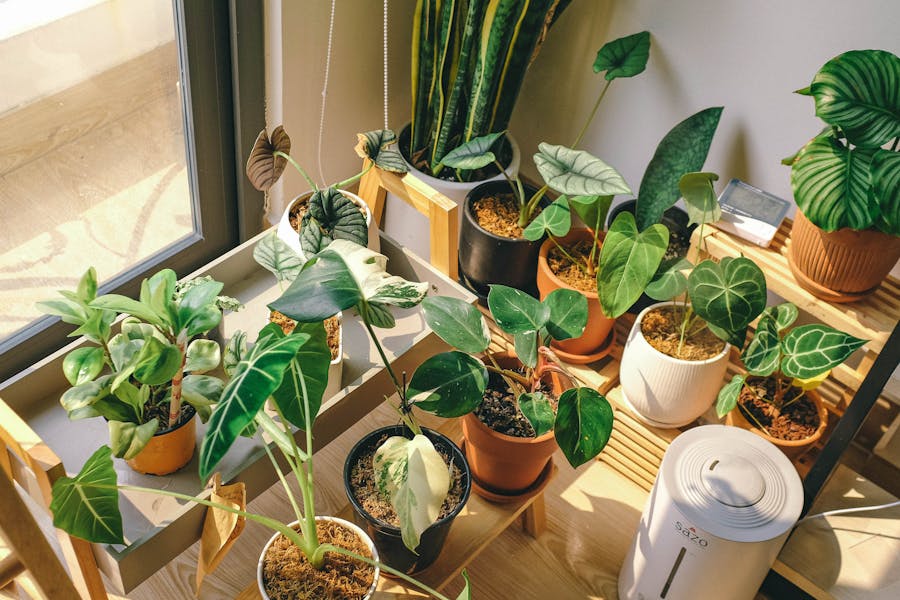
Common Indoor Plant Mistakes to Avoid
● Watering on a fixed schedule rather than checking the soil
● Placing plants in unsuitable light conditions
● Ignoring seasonal changes in growth
● Using pots without drainage
Avoiding these mistakes helps plants thrive and reduces frustration for new plant owners.
Conclusion: Small Green Changes, Big Everyday Benefits
Indoor plants are one of the simplest ways to improve your home environment. They add warmth, reduce stress, and support everyday wellbeing without demanding major effort or expense.
By choosing plants suited to your space and lifestyle, and following a few basic care principles, you can enjoy a healthier, happier home year-round. Whether you start with one plant or create a small indoor garden, the benefits grow over time, just like the plants themselves.


_20260602_cc9a7609.png)


