

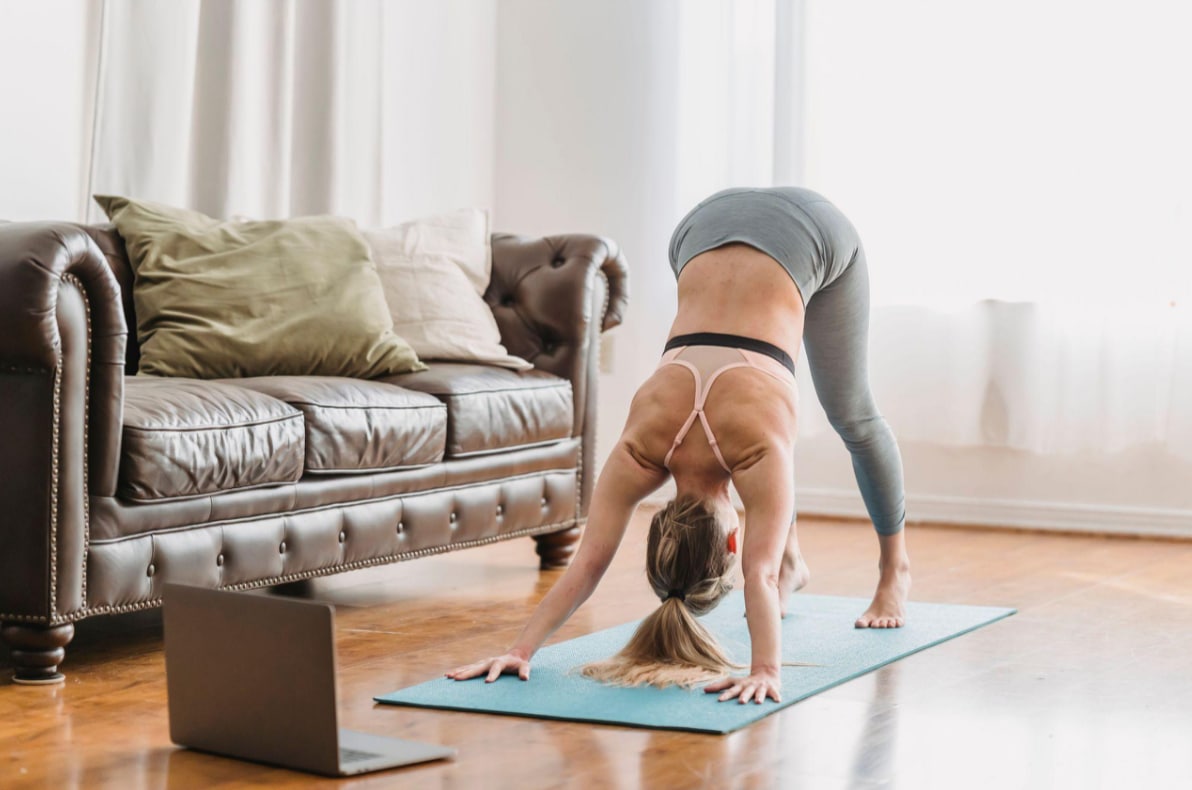
Working from home can make daily life feel more flexible, but it can also make movement disappear from the day. Without a commute, office stairs, coffee walks or face-to-face meetings, it is easy to spend hours sitting in the same room without realising how little you have moved.
Staying active while working from home does not mean turning the working day into a fitness challenge. Most people do not need complicated routines, expensive equipment or long workouts squeezed between meetings. The bigger goal is to build movement into normal habits so that activity feels natural rather than disruptive.
A healthier work-from-home routine combines regular breaks, posture changes, light walking and intentional planning. Small actions repeated throughout the day can make a meaningful difference to energy, comfort and focus.
Why Working From Home Can Reduce Movement
Remote work often removes the small physical activities that used to happen automatically.
● The commute disappears
Travelling to work may not feel like exercise, but walking to the bus stop, crossing a car park or moving through a train station all adds movement. When work begins a few steps from the bedroom, those natural activity cues disappear.
● Breaks become less structured
In an office, people often leave their desk to speak with colleagues, collect lunch or attend meetings. At home, it is possible to move from one video call to the next without standing up at all.
The NHS physical activity guidelines for adults recommend regular weekly activity and reducing long periods of inactivity where possible. For home workers, this means building movement back into the day deliberately.
● The workspace becomes too convenient
When everything is within arm’s reach, there is little reason to get up. A convenient setup may improve efficiency, but it can also encourage long sedentary periods.
Keeping water, snacks, chargers and notebooks slightly away from the desk can create small reasons to stand and move.
Start With Short Movement Breaks
The easiest way to become more active is to add brief movement moments rather than relying only on a long workout.
➢ Use natural task transitions
Stand up when finishing a call, sending a major email or completing a block of focused work. These natural pauses are easier to remember than random alarms.
A short break might involve walking around the room, stretching the shoulders, stepping outside briefly or going downstairs for water.
➢ Move before discomfort builds
Many people only stand up after their back, neck or hips already feel stiff. It is better to move before discomfort becomes obvious.
The Health and Safety Executive recommends short, frequent breaks from display screen equipment work, noting that these are often better than occasional longer breaks.
➢ Keep breaks realistic
A movement break does not need to last 20 minutes. Even two or three minutes can reset posture and help the body feel less static.
Simple options include:
- Walking while the kettle boils
- Stretching during file downloads
- Standing between meetings
- Taking a quick lap around the home
- Doing gentle calf raises or shoulder rolls
--altImgStart--{"link":"https://s3.springbeetle.eu/prod-eu-s3/commodity/item/4073_20260825_IZrLcD6p.jpg"}--altImgEnd--
Turn Meetings Into Movement Opportunities
Not every meeting requires sitting perfectly still at a desk.
Walk during audio-only calls
If a call does not require note-taking or screen sharing, consider walking around the room, garden or nearby street. A headset can make this easier while keeping hands free.
Walking meetings work best for informal updates, brainstorming and check-ins rather than detailed technical discussions.
Stand for short calls
Standing during a five or ten-minute call is a simple way to change posture without affecting the meeting. It can also make the conversation feel more energetic.
Use movement to improve focus
Light activity can help reduce the sluggish feeling that sometimes appears during long remote-working days. The World Health Organization recommends adults limit sedentary time and replace it with physical activity where possible.
The aim is not to multitask heavily, but to match the level of movement to the task.
Build an Active Home Office Setup
Your workspace can either encourage stillness or make movement easier.
Keep standing options available
A standing desk or raised work surface can help break up sitting time. Even if you do not stand for long periods, having the option makes posture changes easier.
Alternate between sitting and standing based on the task. Sit for detailed work, stand for quick admin and move during lighter calls.
Add light walking where appropriate
For people who want more movement during the working day, a walking pad can be useful. The FlexiSpot PortaGo walking pad is designed as a foldable walking pad for home office use, helping users add gentle activity without needing a large separate exercise area. --altImgStart--{"link":"https://s3.springbeetle.eu/prod-eu-s3/commodity/item/Screenshot%202026-02-26%20132946_20260825_ZGQlNwhC.png","alt":"180° Foldable Walking Pad with Brushless Motor (PortaGo)"}--altImgEnd--
A walking pad works best at a slow, comfortable speed. It is more suitable for reading, emails, webinars and informal calls than for detailed typing or design work.
Avoid making movement feel complicated
The more steps required to move, the less likely it is to happen. Keep walking shoes nearby, leave enough clear floor space and make sure work equipment can be adjusted easily.
A simple setup that encourages regular movement is more useful than an ambitious routine that is difficult to maintain.
Plan Activity Around Your Energy
The best active routine fits your natural rhythm.
Move in the morning
Starting the day with a short walk can replace part of the missing commute. It helps create a mental transition between home and work, especially when the desk is in a bedroom or living room.
Even ten minutes outside can make the start of the workday feel more intentional.
Break up the afternoon slump
Many people become less alert after lunch. Instead of reaching automatically for more coffee, try standing, walking or stretching for a few minutes.
This can help reset posture and energy without requiring a full workout.
End work with movement
A short walk after logging off can mark the end of the day. This is especially useful when work and home life happen in the same space.
Movement can act as a boundary, helping the mind leave work behind.
Keep Your Body Comfortable
Staying active is not only about steps. It is also about reducing strain.
Stretch areas that become stiff
Remote workers often feel stiffness in the neck, shoulders, hips and lower back. Gentle stretching can help, especially when combined with regular position changes.
Avoid forcing stretches or holding uncomfortable positions. Movement should feel relieving, not painful.
Support good posture
A chair, desk and screen should be arranged so that the shoulders stay relaxed and the screen is easy to view. Poor workstation setup can make movement breaks less effective because discomfort returns quickly.
Listen to warning signs
If pain persists, worsens or affects daily activities, seek advice from a healthcare professional. General movement tips should not replace personalised medical support.
Final Thoughts
Staying active when working from home is not about doing everything perfectly. It is about noticing where movement has disappeared and adding it back in small, practical ways.
Use short breaks, standing calls, walking meetings and simple routines to reduce long sedentary periods. Choose activities that fit the work you are doing rather than forcing movement into every task. --altImgStart--{"link":"https://s3.springbeetle.eu/prod-eu-s3/commodity/item/Screenshot%202026-01-26%20155655_20260825_hZxDJU6z.png","alt":"180° Foldable Walking Pad with Brushless Motor (PortaGo)"}--altImgEnd--
A foldable walking pad such as PortaGo can support a more active home office, but the foundation is consistency. The most effective routine is one you can repeat most days, without it feeling like another job on your to-do list. --shopstart--{"id":1438001,"link":1438001,"name":"180° Foldable Walking Pad with Brushless Motor","shortName":"PortaGo","url":"https://s3.springbeetle.eu/dev-de-s3-flexispot/commodity/item/1028_file_PortaGofront.png","itemFootMarkType":"DISCOUNT","itemFootMarkInput":"Mid-Month Sale"}--shopend--


_20260602_cc9a7609.png)


