

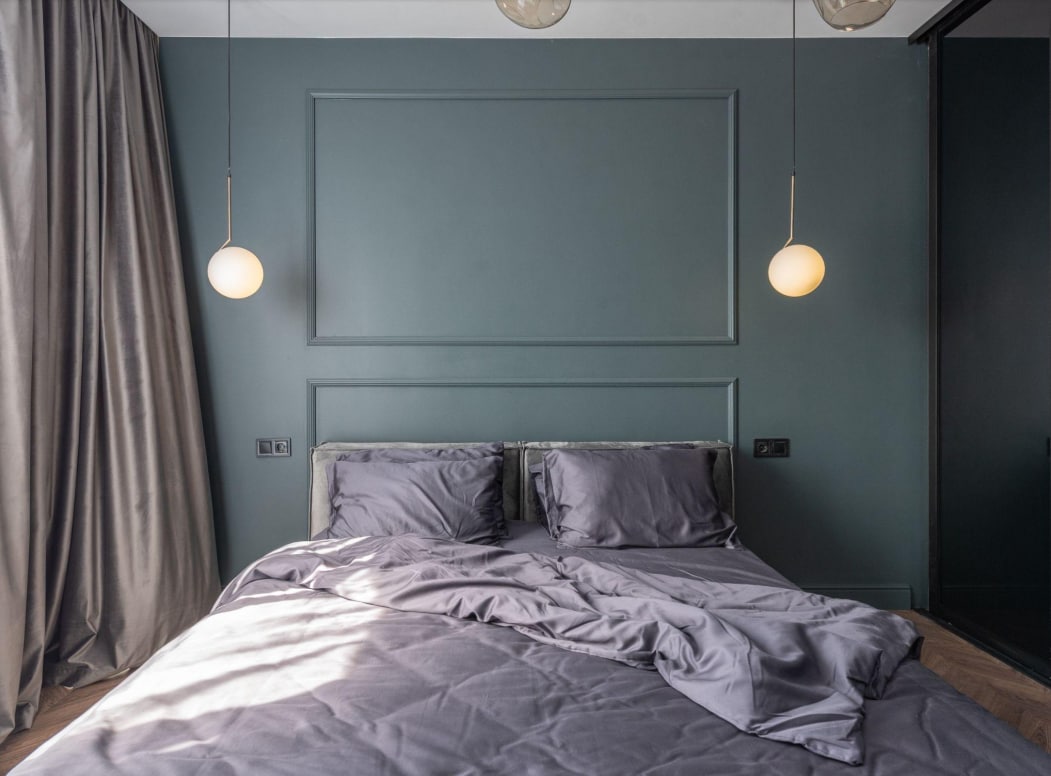
A hot bedroom can make summer nights feel uncomfortable, restless and exhausting. In the UK, many homes are built to retain warmth, not release it quickly. That can become a problem during heatwaves, especially in upstairs bedrooms, flats and rooms that receive direct afternoon sun.
Air conditioning is not always available, affordable or practical. Fortunately, there are still plenty of ways to cool your bedroom naturally and make it easier to sleep. The key is to prevent heat building up during the day, release warm air at the right time and create a lighter, more breathable sleep environment.
A cooler bedroom does not depend on one trick. It comes from combining small habits that work together.
Block Heat Before It Enters
The best way to keep a bedroom cool is to stop it overheating in the first place.
Close curtains and blinds during the day
Sunlight streaming through windows can quickly warm a room. The NHS heatwave guidance recommends closing curtains in rooms that face the sun to help keep living spaces cooler.
This is especially important for south-facing or west-facing bedrooms, which can become very warm by late afternoon. Blackout curtains, thermal blinds or lined curtains can help reduce heat gain.
If you do not have specialist window coverings, even ordinary curtains are better than leaving the glass fully exposed.
Use temporary window shading
External shading is often more effective than internal shading because it stops sunlight before it passes through the glass. If permanent shutters or awnings are not an option, temporary solutions can still help.
A reflective window film, light-coloured blind or removable shade can reduce glare and heat. In rented homes, check whether any temporary product is suitable before applying it.
Keep hot air out when outside is warmer
Opening windows during the hottest part of the day can make the bedroom warmer, not cooler. If the air outside feels hotter than the air indoors, keep windows closed and focus on shading the room instead.
This may feel counterintuitive, but it prevents warm air from replacing cooler indoor air too early in the day.
Ventilate at the Right Time
Ventilation is still important, but timing matters.
Open windows when the air is cooler
The UK Health Security Agency advises opening windows when the air outside feels cooler than the air inside, such as in the evening, overnight or early morning.
Opening windows at opposite sides of the home can help create cross-ventilation. This allows warmer air to escape and cooler air to move through the building.
If security, noise or insects are a concern, open windows only as much as feels safe and practical.
Use doors to improve airflow
Keeping internal doors open can stop heat becoming trapped in one room. If the landing, hallway or another room is cooler, allowing air to move between spaces may help lower the bedroom temperature. --altImgStart--{"link":"https://s3.springbeetle.eu/prod-eu-s3/commodity/item/pexels-pripicart-2346091_20260824_WMBbVxHy.jpg"}--altImgEnd--
During the day, however, you may want to close the bedroom door if another part of the home is significantly warmer.
Encourage air movement with a fan
A fan does not reduce the actual room temperature, but it can make the body feel cooler by moving air across the skin.
Place the fan where it circulates air around the room rather than blasting directly at your face all night. Some people like placing a bowl of ice or a cool pack in front of the fan, but keep water safely away from electrical items.
Choose Lighter Bedding and Sleepwear
What you sleep in and sleep under can make a major difference.
Swap heavy duvets for light layers
A thick duvet traps heat around the body. During hot weather, use a cotton sheet, lightweight blanket or low-tog summer duvet instead.
Light layers are useful because they can be adjusted during the night. If you wake up too warm, remove a layer. If the room cools later, pull it back over you.
Choose breathable fabrics
Cotton, linen and bamboo-blend fabrics usually feel more comfortable in hot weather than heavy synthetic materials. They allow more airflow and can help reduce that sticky, trapped feeling.
The Sleep Foundation notes that a bedroom that is too warm can interfere with the body’s ability to regulate temperature during sleep. This is why breathable bedding and lighter sleepwear matter during a heatwave.
Avoid heat-trapping mattress toppers
Some thick foam toppers can retain warmth. If your bed feels unusually hot, consider whether the mattress protector, topper or bedding layers are contributing.
A breathable mattress protector may still be useful for hygiene, but avoid piling on unnecessary layers during summer.
Cool Your Body Before Bed
Cooling the room helps, but cooling the body can make bedtime more comfortable too.
Take a lukewarm shower
A lukewarm shower before bed can help you feel fresher without creating a shock response. Very cold showers may feel good briefly, but they can sometimes make the body work harder to warm itself again.
After showering, give your body time to dry before getting into bed. Damp skin under bedding may feel uncomfortable if the air is humid.
Use cool water safely
The GOV.UK hot weather advice recommends applying cool water by spray or sponge to exposed skin during hot weather.
A cool cloth on the neck, wrists or forehead can offer quick relief. You can also keep a spray bottle beside the bed and use it with a fan for a gentle cooling effect.
Stay hydrated through the day
Drink water regularly during the day rather than leaving hydration until bedtime. Drinking a large amount just before sleep may increase night-time bathroom trips.
Avoid too much alcohol during hot weather because it can contribute to dehydration and disrupt sleep. --altImgStart--{"link":"https://s3.springbeetle.eu/prod-eu-s3/commodity/item/pexels-pavel-danilyuk-6443432%20(1)_20260824_nh84ZiJ5.jpg"}--altImgEnd--
Reduce Heat Inside the Bedroom
Small sources of heat can add up, especially in a compact room.
Switch off unnecessary electronics
Laptops, games consoles, chargers and large screens all release some heat. Turn off what you do not need and avoid charging devices on the bed.
If your bedroom is also your workspace, shut down equipment at the end of the day and move it away from the sleeping area where possible.
Use low-heat lighting
Traditional bulbs and strong lamps can make a small bedroom feel warmer. LED bulbs usually produce less heat and are more energy-efficient.
In the evening, use softer lighting to make the room feel calmer and less intense. --altImgStart--{"link":"https://s3.springbeetle.eu/prod-eu-s3/commodity/item/pexels-artbovich-8134823_20260824_BD8RBbAB.jpg"}--altImgEnd--
Avoid cooking or ironing nearby
Heat from cooking, drying clothes or ironing can travel through the home. During a heatwave, try to keep heat-producing activities away from the bedroom area, especially in the evening.
Make the Room Feel Calmer
A cool bedroom is not only about temperature. It is also about how restful the room feels.
Keep surfaces clear
Clutter can make a room feel heavier and more uncomfortable. Clear bedside tables, remove unnecessary textiles and keep laundry away from the sleeping area.
A simpler room often feels easier to relax in, particularly when heat already makes sleep more difficult.
Sleep lower if needed
Heat rises, so upstairs bedrooms may stay warmer than ground-floor rooms. If the bedroom becomes unbearable, sleeping in a cooler room downstairs for a few nights may be the most practical solution.
Know when heat is a health risk
If you feel dizzy, confused, very thirsty, weak or unwell during hot weather, take it seriously. The NHS guidance on heat exhaustion and heatstroke explains when to cool down, rest, drink fluids and seek urgent help.
Older adults, babies, young children, pregnant people and those with certain health conditions may be more vulnerable during heatwaves.
Final Thoughts
Keeping your bedroom cool without air conditioning is about preparation and timing. Block sunlight during the day, keep hot air out when temperatures rise, then ventilate when the outside air becomes cooler.
At night, lighter bedding, breathable fabrics, fans, cool water and a calmer room setup can all help make sleep more comfortable. None of these steps needs to be expensive or complicated.
The most effective approach is to combine several small changes. A cooler bedroom starts in the morning, continues through the day and becomes much easier to manage by bedtime.


_20260602_cc9a7609.png)


