

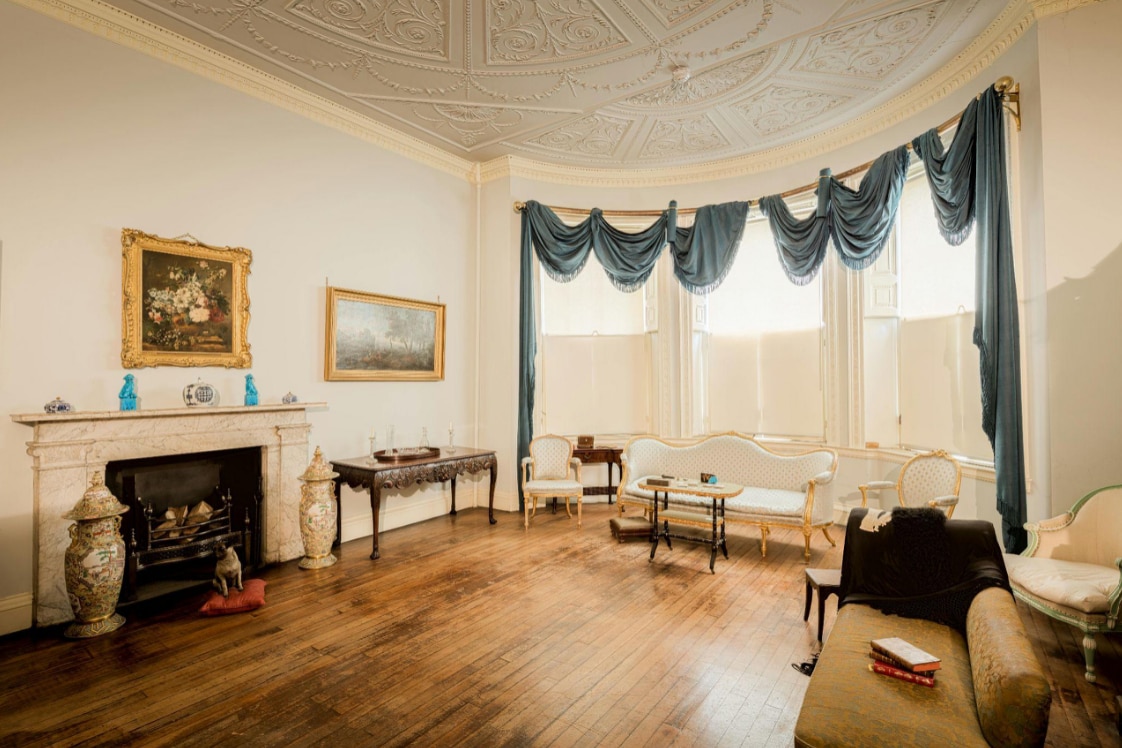
Victorian interiors are known for their elegance, character, and attention to detail.
Traditional Victorian living rooms often featured rich colours, decorative mouldings, layered textures, and statement furniture. While the original style can feel dramatic and luxurious, modern homes usually require a lighter and more practical approach.
This is where modern Victorian design becomes appealing. It combines classic architectural inspiration with cleaner layouts, softer colour palettes, and contemporary comfort. The result is a living room that feels sophisticated without appearing overly formal or outdated.
Creating this balance is not about recreating a historical room exactly. It is about taking key Victorian elements and adapting them to fit modern lifestyles and spaces.
Start With a Balanced Colour Palette
Colour plays a major role in Victorian-inspired interiors.
Use deeper tones selectively
Traditional Victorian rooms often used dark greens, navy blues, burgundy, and charcoal tones. In modern spaces, these colours work best as accents rather than covering the entire room.
For example:
- A deep green feature wall
- Dark velvet cushions
- Black or brass decorative details
These touches help preserve the Victorian atmosphere without making the room feel too heavy.
Balance with lighter neutrals
Soft neutrals such as warm white, beige, taupe, and light grey help modernise the space and reflect more natural light.
This balance prevents the room from feeling overly dark while still maintaining warmth and character.
--altImgStart--{"link":"https://s3.springbeetle.top/prod-common-bucket/commodity/item/pexels-artbovich-7535051_20260528_L8tX8uNY.jpg"}--altImgEnd--
Combine Classic and Contemporary Furniture
One of the key features of modern Victorian design is contrast.
Mix traditional shapes with modern simplicity
Victorian-inspired pieces often feature curved edges, textured fabrics, and elegant detailing. Pairing these with cleaner modern furniture creates a more balanced overall look.
Avoid overcrowding
Traditional Victorian interiors were often heavily decorated, but modern spaces benefit from more openness.
Instead of filling every corner, focus on a few standout pieces that create visual interest without overwhelming the room.
Prioritise comfort
A living room should still feel practical for everyday use. Comfortable seating, soft textures, and flexible layouts are just as important as appearance.
Layer Different Textures
Victorian interiors are known for rich texture combinations.
Velvet and soft fabrics
Velvet cushions, upholstered chairs, and textured throws help add warmth and depth to the room.
Wood and metallic accents
Dark wood furniture pairs well with brass, gold, or matte black finishes to create a more refined appearance.
Rugs and curtains
Layered textiles such as rugs and long curtains help soften the room and create a more welcoming atmosphere.
--altImgStart--{"link":"https://s3.springbeetle.top/prod-common-bucket/commodity/item/pexels-clickerhappy-9298_20260528_cwieYbum.jpg"}--altImgEnd--
Add Architectural Details
Victorian interiors traditionally included decorative features that added depth and elegance.
Wall mouldings and panelling
Simple wall panelling or moulding details can instantly give a room more character without requiring a complete redesign.
Ceiling details
If the room already includes period features such as ceiling roses or cornicing, these can become a strong focal point within the design.
Fireplace styling
Even decorative fireplaces can help reinforce the Victorian aesthetic while adding warmth visually.
Keep the Space Feeling Modern
The key to modern Victorian design is restraint.
Use cleaner layouts
Keeping furniture arrangements simple helps prevent the room from feeling overcrowded or dated.
Introduce subtle minimalism
Allow decorative features to stand out by avoiding excessive accessories or clutter.
Focus on lighting
Layered lighting helps create a softer and more inviting atmosphere.
According to the British Institute of Interior Design, lighting plays a major role in shaping how comfortable and functional a living space feels.
Create a Comfortable Focal Point
Every living room benefits from a clear focal area.
Statement seating
An elegant armchair or sofa can anchor the room while introducing texture and colour.
Coffee tables and layered décor
Combining books, candles, and decorative objects in small groups creates a more refined appearance without looking cluttered.
Artwork and mirrors
Victorian-inspired spaces often include framed artwork or mirrors that add depth and sophistication.
Mirrors also help reflect light and make the room feel larger.
Balancing Style With Everyday Practicality
Modern Victorian interiors should still support everyday life comfortably.
Make the room functional
A beautiful room should still work well for relaxing, entertaining, or spending time with family.
Keep storage practical
Built-in storage, shelving, or multifunctional furniture helps maintain a cleaner appearance without sacrificing usability.
Allow the room to evolve
Modern Victorian style works best when it feels personal rather than overly staged. Mixing old and new gradually often creates a more natural result.
--altImgStart--{"link":"https://s3.springbeetle.top/prod-common-bucket/commodity/item/pexels-artbovich-7195592_20260528_ktRXmaia.jpg"}--altImgEnd--
Natural Light and Space
Victorian-inspired rooms can sometimes feel heavy if lighting is overlooked.
Maximise natural light
Keeping windows relatively open and using lighter surrounding tones prevents the room from feeling enclosed.
According to Harvard Health, access to natural light can positively influence mood and well-being indoors.
Use reflective surfaces carefully
Mirrors, glass details, and metallic finishes help brighten the room without losing warmth.
Common Mistakes to Avoid
Using too many dark colours
Too much dark colour can make the room feel smaller and less balanced.
Overdecorating
Adding too many decorative items can make the space feel crowded rather than elegant.
Ignoring comfort
A Victorian-inspired room should still feel inviting and practical for everyday living.
FAQ: Modern Victorian Living Rooms
1. What is modern Victorian interior design?
It combines traditional Victorian elegance with cleaner modern layouts and practical comfort.
2. What colours work best in a modern Victorian living room?
Deep accent colours balanced with lighter neutrals usually work best.
3. Can modern Victorian style work in smaller homes?
Yes. Using lighter tones and selective decorative details helps maintain balance in compact spaces.
4. How do you modernise Victorian décor?
By simplifying layouts, reducing clutter, and combining traditional details with modern furniture.
Conclusion
Modern Victorian living rooms combine classic elegance with contemporary comfort.
By balancing decorative details with cleaner layouts and practical furniture choices, it is possible to create a space that feels timeless without appearing overly formal. Rich textures, thoughtful lighting, and carefully selected statement pieces help preserve Victorian character while keeping the room functional for modern life.
The result is a living space that feels warm, stylish, and comfortable while still reflecting personality and everyday practicality.


_20260602_cc9a7609.png)


