

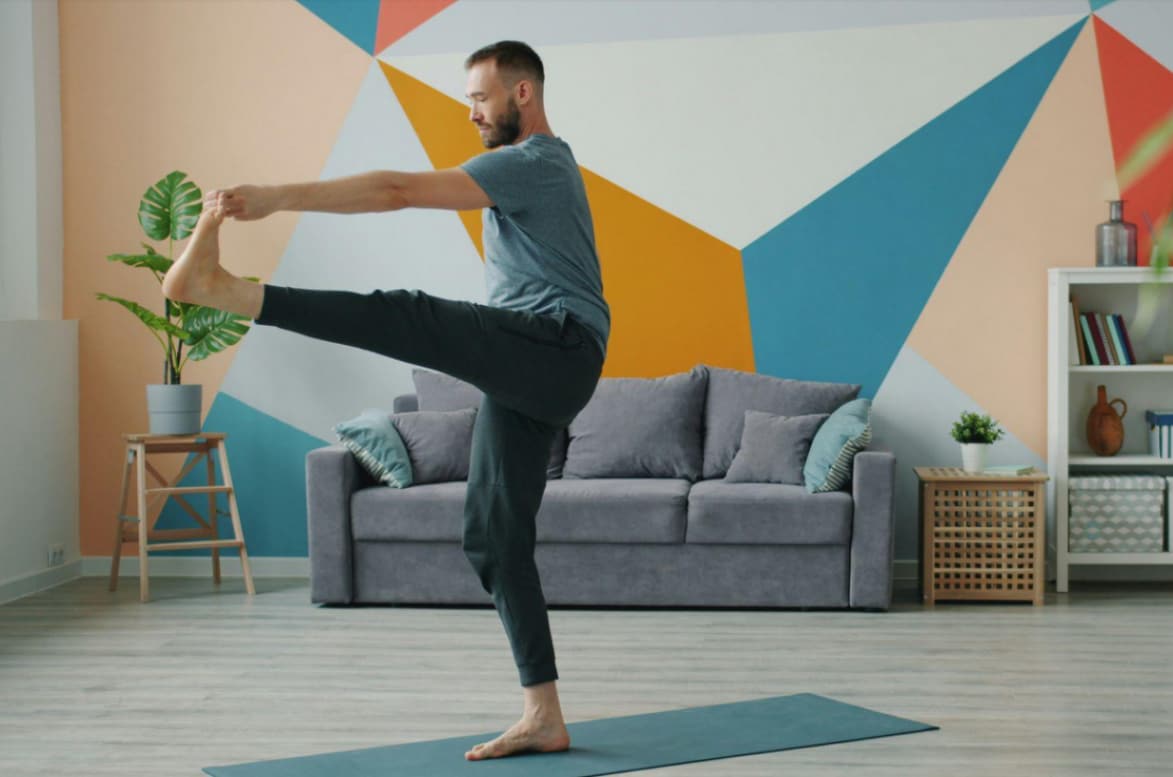
Going to the gym can be helpful, but it is not the only way to stay active. For many people, the biggest barrier to exercise is not motivation alone. It is time, weather, travel, childcare, cost or simply feeling too tired to leave the house after a long day.
This is where the home can play a bigger role. A well-arranged home can make movement easier, more visible and more natural. Instead of treating exercise as something that only happens in a separate fitness space, your home can support small, regular habits that fit around work, family and everyday routines.
The goal is not to turn every room into a gym. It is to create a home environment that quietly encourages more activity throughout the day.
Why Home-Based Exercise Matters
Exercise does not need to be complicated to be valuable. Simple, consistent movement can support physical health, energy and wellbeing.
● Small movements add up
Many people imagine exercise as a long workout, but daily activity also includes walking, stretching, climbing stairs, cleaning, gardening and standing more often.
The NHS physical activity guidelines for adults recommend regular weekly activity and muscle-strengthening exercises, while also encouraging people to reduce long periods of inactivity.
This means a home that encourages movement can make a real difference, especially for people who spend much of the day indoors.
● Home removes common barriers
Exercising at home avoids travel time and can feel more flexible. You do not need to wait for equipment, pack a bag or fit around gym opening hours.
This can be especially useful for remote workers, parents, beginners or anyone who feels uncomfortable exercising in public. Home movement can be private, simple and easy to adapt.
● Consistency matters more than intensity
A short walk, gentle stretching session or 15 minutes of light activity is better than doing nothing because a full gym session feels unrealistic.
The most successful home fitness routines are usually the ones that feel easy to repeat.
--altImgStart--{"link":"https://s3.springbeetle.eu/prod-eu-s3/commodity/item/pexels-silverkblack-23224883_20260908_nkAaF6lZ.jpg"}--altImgEnd--
Design Your Home to Encourage Movement
Your surroundings influence your habits more than you may realise.
● Keep space clear
If the floor is cluttered, movement becomes less inviting. Clear a small area in the living room, bedroom or home office where you can stretch, walk in place or follow a short workout.
The space does not need to be large. It just needs to be easy to use without moving furniture every time.
● Make equipment visible
If resistance bands, a yoga mat or light dumbbells are hidden at the back of a cupboard, they are easy to forget. Keeping simple equipment nearby can make exercise feel more accessible.
At the same time, avoid overcrowding the room. A basket, shelf or storage box can keep items tidy while still easy to reach.
● Use everyday cues
Connect movement to existing habits. Stretch after making coffee. Walk during a phone call. Do calf raises while waiting for the kettle. Do five minutes of mobility work before showering.
These cues reduce the need for willpower because the activity becomes attached to something you already do.
Add Movement to Your Working Day
For people working from home, the home office is one of the most important places to rethink activity.
● Break up sitting time
Remote work can remove many natural movement moments, such as commuting, walking to meetings or leaving the office for lunch.
The World Health Organization advises adults to limit sedentary time and replace it with physical activity where possible. For home workers, this can mean standing between tasks, stretching during breaks or walking while taking informal calls.
● Try walking during light tasks
Not every work task needs to be done sitting still. Reading emails, listening to webinars, reviewing notes and joining audio-only calls may all be suitable for gentle movement.
A walking pad can help bring light activity into the working day without requiring a separate treadmill room.
The FlexiSpot PortaGo walking pad is designed as a foldable walking pad for home use, making it easier to add gentle walking to a work-from-home routine. Because it can be folded away, it suits people who need exercise equipment that does not permanently take over the room.
● Keep the pace realistic
Walking while working should feel calm and controlled. The aim is not a workout that leaves you breathless. It is low-intensity movement that allows you to keep reading, listening or speaking comfortably.
If walking affects your typing, posture or concentration, slow down or switch back to sitting or standing. --altImgStart--{"link":"https://s3.springbeetle.eu/prod-eu-s3/commodity/item/Screenshot%202026-01-26%20155655_20260910_2wjhHPyF.png","alt":"180° Foldable Walking Pad with Brushless Motor (PortaGo)"}--altImgEnd-- --shopstart--{"id":1438001,"link":1438001,"name":"180° Foldable Walking Pad with Brushless Motor","shortName":"PortaGo","url":"https://s3.springbeetle.eu/dev-de-s3-flexispot/commodity/item/1028_file_PortaGofront.png","itemFootMarkType":"DISCOUNT","itemFootMarkInput":"Mid-Month Sale"}--shopend--
Turn Everyday Rooms Into Activity Spaces
You do not need a dedicated gym room to move more at home.
● Living room movement
The living room can support short workouts, stretching or mobility exercises. Push the coffee table aside, use a mat and choose routines that suit the space.
Low-impact exercise videos, bodyweight movements and stretching can all work well in a small area.
● Bedroom routines
A bedroom can support gentle morning or evening movement. Simple stretches after waking or before bed can help create a routine without needing extra equipment.
Avoid intense exercise right before sleep if it makes you feel too alert. Gentle mobility or breathing exercises may be more suitable in the evening.
● Kitchen and hallway habits
Even narrow spaces can encourage movement. Walk while waiting for food to cook, use stairs more often, or take a few laps around the hallway between tasks.
These movements may seem minor, but they help reduce the amount of time spent completely still.
Build a Routine That Fits Real Life
A home exercise routine should work with your day rather than against it.
● Start smaller than you think
Begin with five to ten minutes of movement rather than planning a full hour. A smaller target is less intimidating and easier to complete consistently.
Once the habit feels natural, increase the time or intensity gradually.
● Mix different types of activity
A balanced routine includes more than one form of movement. Walking supports cardiovascular health, stretching can improve mobility, and strength exercises help maintain muscle.
The British Heart Foundation explains that being active can support heart health and recommends finding activities that fit into everyday life.
A home routine might include walking on some days, bodyweight exercises on others and gentle stretching when energy is lower.
● Use short activity blocks
You do not have to complete all movement at once. Ten minutes in the morning, ten minutes at lunch and ten minutes after work can feel more manageable than one longer session.
This approach is particularly useful for busy households.
Make Home Exercise Feel Enjoyable
People are more likely to keep moving when the experience feels pleasant.
➔ Add music or podcasts
Music, podcasts or audiobooks can make home activity feel less like a chore. A short walk on a walking pad can become time to listen to something enjoyable.
➔ Track progress gently
Step counts, workout notes or habit trackers can provide motivation, but they should not become a source of pressure. The aim is steady progress, not perfection.
➔ Keep rest part of the routine
Exercise should support your life, not exhaust you. Rest days, lighter sessions and gentle movement all have a place.
If you have an injury, health condition or persistent pain, seek advice from a healthcare professional before changing your activity level.
Final Thoughts
Your home can absolutely help you exercise without going to the gym. The key is to make movement easy, visible and realistic.
Clear a small space, attach activity to daily habits, take short movement breaks and use tools that fit your lifestyle. A foldable walking pad such as PortaGo can support gentle activity during work or downtime without requiring a dedicated gym room.
The best home fitness routine is not necessarily the most intense one. It is the one you can return to regularly, even on busy days.


_20260602_cc9a7609.png)


