

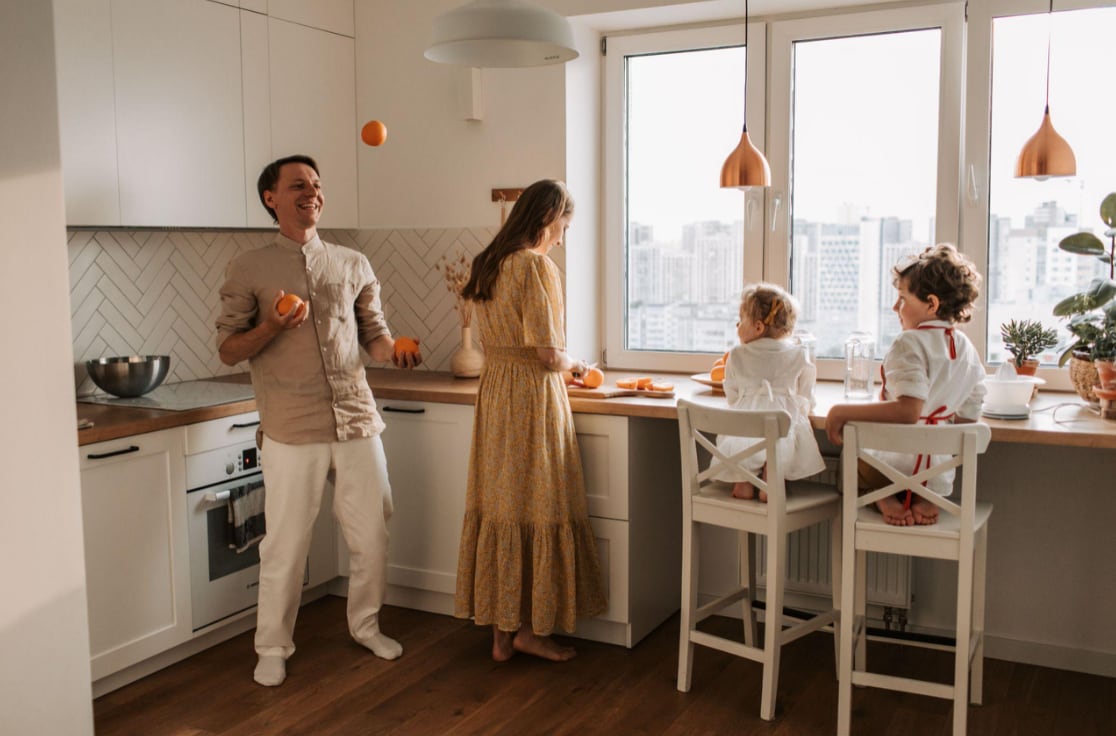
Autumn often brings a return to structure. Summer holidays end, work becomes busier, schools reopen and the evenings begin to feel shorter. For many people, this seasonal shift is the ideal time to rebuild a healthier home routine.
A good routine does not need to be strict or complicated. It should make daily life feel easier, not more pressured. The best routines support your energy, movement, meals, sleep and mental focus in a way that fits your actual home life.
Rather than trying to transform everything at once, autumn is a good time to make small changes that can last. A healthier routine begins with the spaces you use every day and the habits you repeat most often.
Start With a Clear Morning Rhythm
How the day begins often shapes how the rest of it feels.
● Wake up at a consistent time
A regular wake-up time helps rebuild structure after the looser pace of summer. It does not need to be extremely early, but it should be realistic enough to repeat most days.
The NHS advice on improving sleep recommends keeping regular sleep hours as one way to support better rest.
When mornings become predictable, it is easier to plan meals, movement and work without feeling rushed.
● Avoid starting with your phone
Checking messages immediately can make the day feel reactive. Give yourself a few minutes before looking at notifications. Open the curtains, drink water, stretch or prepare breakfast first.
This creates a calmer start and helps you feel more in control of the day.
● Make breakfast simple
A healthy morning routine is easier when breakfast is not complicated. Choose options that are quick and repeatable, such as oats, yoghurt and fruit, eggs, wholegrain toast or a smoothie.
The aim is to avoid skipping food because the morning feels too busy.
--altImgStart--{"link":"https://s3.springbeetle.eu/prod-eu-s3/commodity/item/pexels-19x14-8480765_20260921_XVq8riD2.jpg"}--altImgEnd--
Add Movement Into the Home Routine
Movement is one of the easiest habits to lose when life becomes busy. It is also one of the most useful habits to rebuild.
● Take short activity breaks
You do not need a full workout every morning to feel the benefit of movement. Short walks, stretching, housework and standing breaks can all help reduce long periods of sitting.
The NHS physical activity guidelines for adults recommend regular weekly activity and reducing the amount of time spent inactive.
In autumn, when people naturally spend more time indoors, building movement into the home becomes especially important.
● Use daily triggers
Attach movement to things you already do. Stretch after brushing your teeth. Walk while taking a phone call. Stand up after every meeting. Do a few shoulder rolls when the kettle boils.
Small movement habits are easier to maintain when they are linked to existing routines.
● Try active working
If you work from home, the workday can become very still. A walking pad can help add gentle activity without needing a separate gym session.
The FlexiSpot PortaGo walking pad is designed as a foldable walking pad for home use, making it easier to include light walking during suitable tasks such as reading emails, listening to webinars or taking informal calls.
A walking pad should be used at a slow, comfortable pace. It is not about turning work into a workout, but about reducing sedentary time during the day.
--altImgStart--{"link":"https://s3.springbeetle.eu/prod-eu-s3/commodity/item/Screenshot%202026-01-26%20155655_20260921_D5DNBcD2.png","alt":"180° Foldable Walking Pad with Brushless Motor (PortaGo)"}--altImgEnd--
--shopstart--{"id":1438001,"link":1438001,"name":"180° Foldable Walking Pad with Brushless Motor","shortName":"PortaGo","url":"https://s3.springbeetle.eu/dev-de-s3-flexispot/commodity/item/1028_file_PortaGofront.png","itemFootMarkType":"DISCOUNT","itemFootMarkInput":"Mid-Month Sale"}--shopend--
Rebuild Your Work-Life Boundaries
Autumn often brings more focused work, study and household responsibility. Clear boundaries can prevent the home from feeling like one long to-do list.
Define work zones
If you work from home, keep work materials in one area where possible. This could be a desk, a corner of the living room or a small bedroom workspace.
Avoid spreading laptops, papers and chargers across the entire home. A defined work zone helps separate working time from rest time.
Create a proper finish
At the end of the working day, close the laptop, clear the desk and put away notebooks or documents. These small actions tell the brain that work is finished.
The Mind guidance on working remotely recommends maintaining routines and separating work from personal life where possible.
Use breaks properly
Remote workers often skip breaks because there is no office rhythm to interrupt them. Schedule short pauses, step away from the screen and leave the room when possible.
A proper break should feel different from simply checking your phone at the same desk.
Make Meals Easier to Maintain
Healthy eating is much easier when the home is prepared for it.
● Plan a few reliable meals
You do not need to plan every meal perfectly. Start with three or four simple weekday meals that are easy to repeat.
Examples might include soups, pasta with vegetables, rice bowls, jacket potatoes, omelettes, salads or slow-cooker meals.
● Keep the kitchen ready
A cluttered kitchen makes cooking feel harder. Clear surfaces, organise cupboard basics and keep frequently used items accessible.
The NHS Eatwell Guide offers a useful framework for building balanced meals with fruit and vegetables, carbohydrates, protein and dairy or alternatives.
● Prepare for low-energy evenings
Autumn evenings can feel tiring, especially as daylight reduces. Keep simple ingredients available for days when you do not want to cook from scratch.
A healthier routine should include realistic backup options rather than relying on motivation every night.
Reset Your Evening Routine
A healthier home routine depends on how the day ends as much as how it begins.
➢ Start winding down earlier
Do not wait until bedtime to relax. Begin reducing stimulation in the hour before sleep. Lower the lights, avoid work messages and choose calmer activities.
This could include reading, stretching, preparing clothes for the next day or tidying the kitchen.
➢ Keep screens in check
Screens are part of modern life, but late-night scrolling can make it harder to switch off. Try setting a small boundary, such as charging your phone away from the bed or avoiding social media for the last 20 minutes of the day.
➢ Prepare tomorrow tonight
A few minutes of evening preparation can make the next morning easier. Set out clothes, prepare lunch, write a short task list or clear the workspace.
This reduces decision-making when energy is lower in the morning.
--altImgStart--{"link":"https://s3.springbeetle.eu/prod-eu-s3/commodity/item/205_20260921_g7vtC0cm.jpg"}--altImgEnd--
Keep the Routine Realistic
The best autumn routine is one you can actually maintain.
● Start with two changes
Trying to change everything at once can feel overwhelming. Choose two habits first, such as a consistent wake-up time and a daily walk.
Once those feel normal, add another.
● Expect imperfect days
A routine should support life, not collapse when one day goes wrong. If you miss a walk, sleep badly or order takeaway, return to the routine at the next opportunity.
Consistency over weeks matters more than perfection on one day.
● Review what is working
At the end of each week, ask what helped and what felt unrealistic. Adjust the routine rather than forcing something that does not suit your home or schedule.
Final Thoughts
Autumn is a natural time to return to routine, but a healthier home routine should feel supportive rather than strict. Start with the basics: regular sleep, simple meals, daily movement, clearer work boundaries and a calmer evening rhythm.
Small changes can make a big difference when they are repeated consistently. A foldable walking pad such as PortaGo can help bring more movement into the working day, but the wider routine matters too.
The aim is not to create a perfect lifestyle. It is to make your home support the way you want to feel: more energised, more organised and more ready for the season ahead.


_20260602_cc9a7609.png)


